Delta Air Lines taps Amazon Leo for in-flight Wi-Fi as streaming wars heat up
Delta Air Lines has secured a strategic partnership with Amazon Leo to deploy low Earth orbit satellite Wi-Fi across 500 aircraft by 2028. This move targets rising passenger bandwidth demands and aims to monetize captive audiences through high-speed streaming and personalized advertising. The deal positions Delta against competitors like United and Hawaiian, who have already integrated SpaceX’s Starlink, signaling a critical shift in airline ancillary revenue models.
The Cabin as a Revenue Center
The announcement marks a definitive pivot in how legacy carriers view the passenger experience. It is no longer about getting from point A to point B; it is about keeping the passenger engaged, spending, and connected for the duration of the flight. Ranjan Goswami, Delta’s Chief Marketing and Product Officer, made the fiscal intent clear during the briefing. He noted that expectations for speed and bandwidth are rising daily, creating a direct correlation between connectivity quality and passenger willingness to engage with onboard commerce.
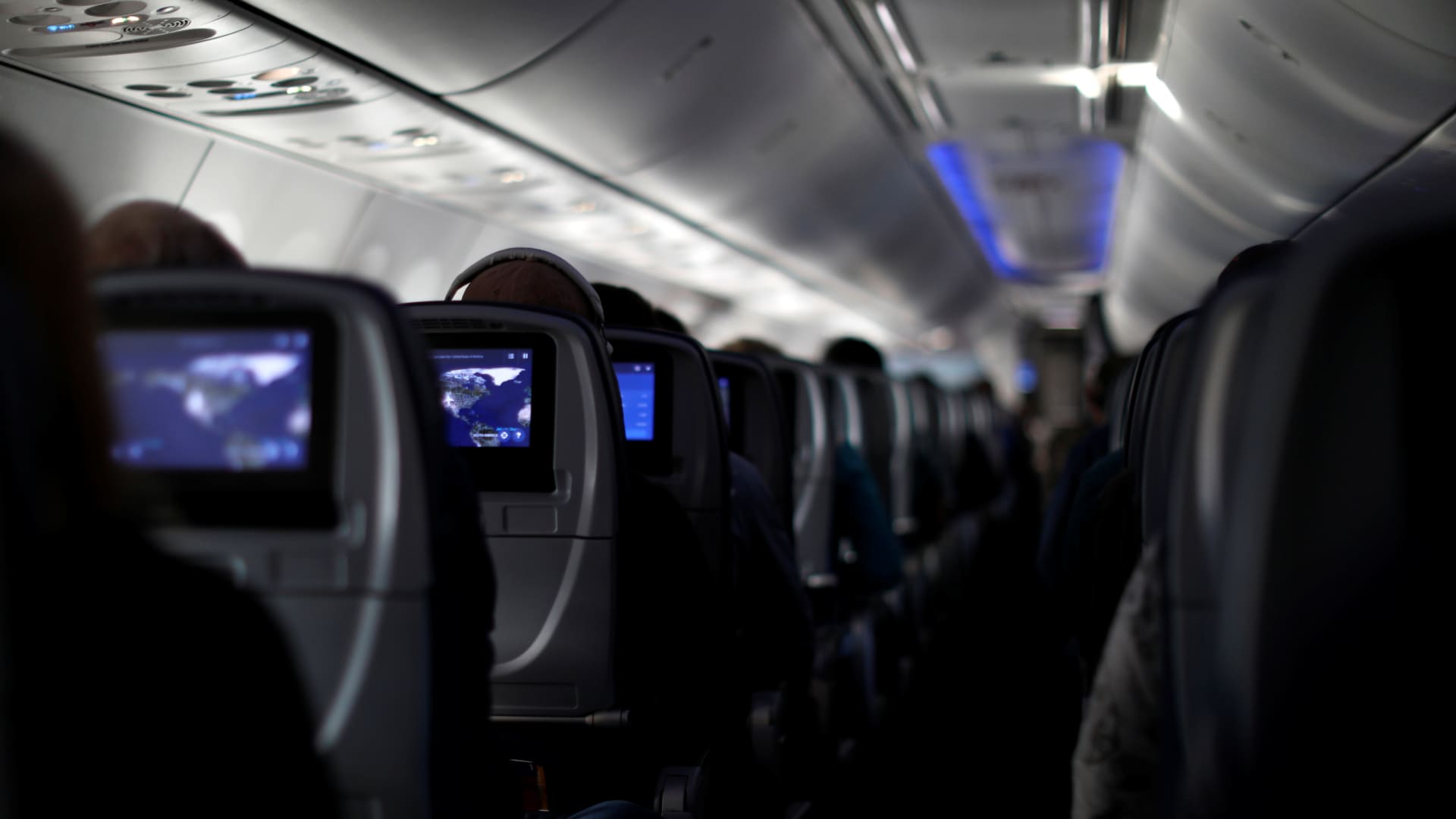
Delta is not merely upgrading Wi-Fi; they are upgrading their balance sheet’s potential. With approximately 165,000 seat-back screens already in the fleet, the infrastructure for high-margin digital advertising is in place. The integration of Amazon Leo’s low Earth orbit satellites promises the latency required for real-time video streaming, a capability that older geostationary systems struggled to deliver consistently. This technical leap transforms the cabin into a viable media buying channel.
Although, the capital expenditure required to retrofit hundreds of narrow-body Boeing 737s and Airbus A321s is substantial. Airlines facing similar fleet modernization challenges often turn to specialized aerospace logistics and retrofit firms to manage the downtime and supply chain complexities. Every day a plane sits in a hangar for installation is a day it does not generate revenue. The efficiency of this rollout will be a key metric for investors watching Delta’s operating margins in the coming fiscal quarters.
Competitive Pressure and Market Share
The timing of this deal is defensive as much as it is offensive. United Airlines and Hawaiian Airlines have already begun utilizing SpaceX’s Starlink, setting a recent baseline for consumer expectation. American Airlines is currently weighing its options, reportedly considering a return to seat-back screens powered by either Starlink or Amazon Leo. In the hyper-competitive domestic market, connectivity has become a primary differentiator for business travelers and high-yield leisure passengers.
Chris Weber, Amazon Leo’s vice president, framed the partnership as foundational. He emphasized that reliable connectivity allows Delta to build unique experiences on top of the network. Amazon’s constellation, aiming for roughly 3,200 satellites, offers the density required to serve high-traffic air corridors without the congestion that plagues traditional networks. This redundancy is critical for maintaining service level agreements (SLAs) that corporate travel departments demand.
“Connectivity is no longer a perk; it is a utility. Airlines that fail to provide seamless, high-bandwidth access risk losing the lucrative corporate travel segment to competitors who treat the cabin as an extension of the office.”
This sentiment echoes findings from recent institutional investor notes regarding the travel sector. As airlines compete for yield, the ability to offer uninterrupted video conferencing or 4K streaming becomes a non-negotiable requirement for premium fares. The shift forces carriers to treat telecommunications infrastructure with the same rigor as their flight operations.
Monetization and Data Governance
The real value lies in the data. Goswami explicitly mentioned “commerce opportunities,” hinting at a future where in-flight entertainment is deeply integrated with e-commerce. Personalized ads and shopping options require robust data processing capabilities. As Delta refreshes its technology to update movie libraries and offer larger content selections, they are effectively building a walled garden of consumer attention.
This aggregation of user data introduces significant regulatory considerations. Handling passenger data for targeted advertising requires strict adherence to global privacy laws. Carriers expanding their digital ecosystems often engage top-tier data governance and compliance consultancies to navigate the fragmented landscape of international privacy regulations. A breach or compliance failure could negate the revenue gains from the new ad platforms.
the reliance on third-party satellite providers creates a complex vendor management environment. Delta currently uses Hughes and Viasat alongside this new Amazon partnership. Managing multiple connectivity providers requires sophisticated network orchestration to ensure seamless handoffs and billing integration. This operational complexity often drives airlines to seek enterprise IT integration specialists who can unify disparate connectivity streams into a single passenger interface.
The Fiscal Outlook for Connectivity
Looking ahead to the 2028 rollout, the market will be watching Delta’s ancillary revenue per passenger closely. If the Amazon Leo integration succeeds, we should see a measurable uptick in non-ticket revenue, potentially offsetting volatile fuel costs. The ability to stream live sports or news in real-time opens up new sponsorship inventory that was previously unavailable.
However, the execution risk remains high. Supply chain bottlenecks in the aerospace sector have plagued the industry for years. Delays in receiving the necessary hardware or certification hurdles could push the revenue realization timeline further out. Investors should monitor the quarterly capex reports for any anomalies related to cabin retrofitting costs.
The battle for the skies is shifting from seat pitch and legroom to bandwidth, and latency. Delta’s bet on Amazon Leo is a wager that the future of travel is digital. As the industry consolidates around a few key connectivity providers, the airlines that master the integration of these technologies will define the next decade of commercial aviation. For stakeholders looking to capitalize on this shift, identifying the right B2B partners for implementation and compliance is as critical as the technology itself.