
Czech Republic’s New Government Wins confidence Vote amidst Policy Shift
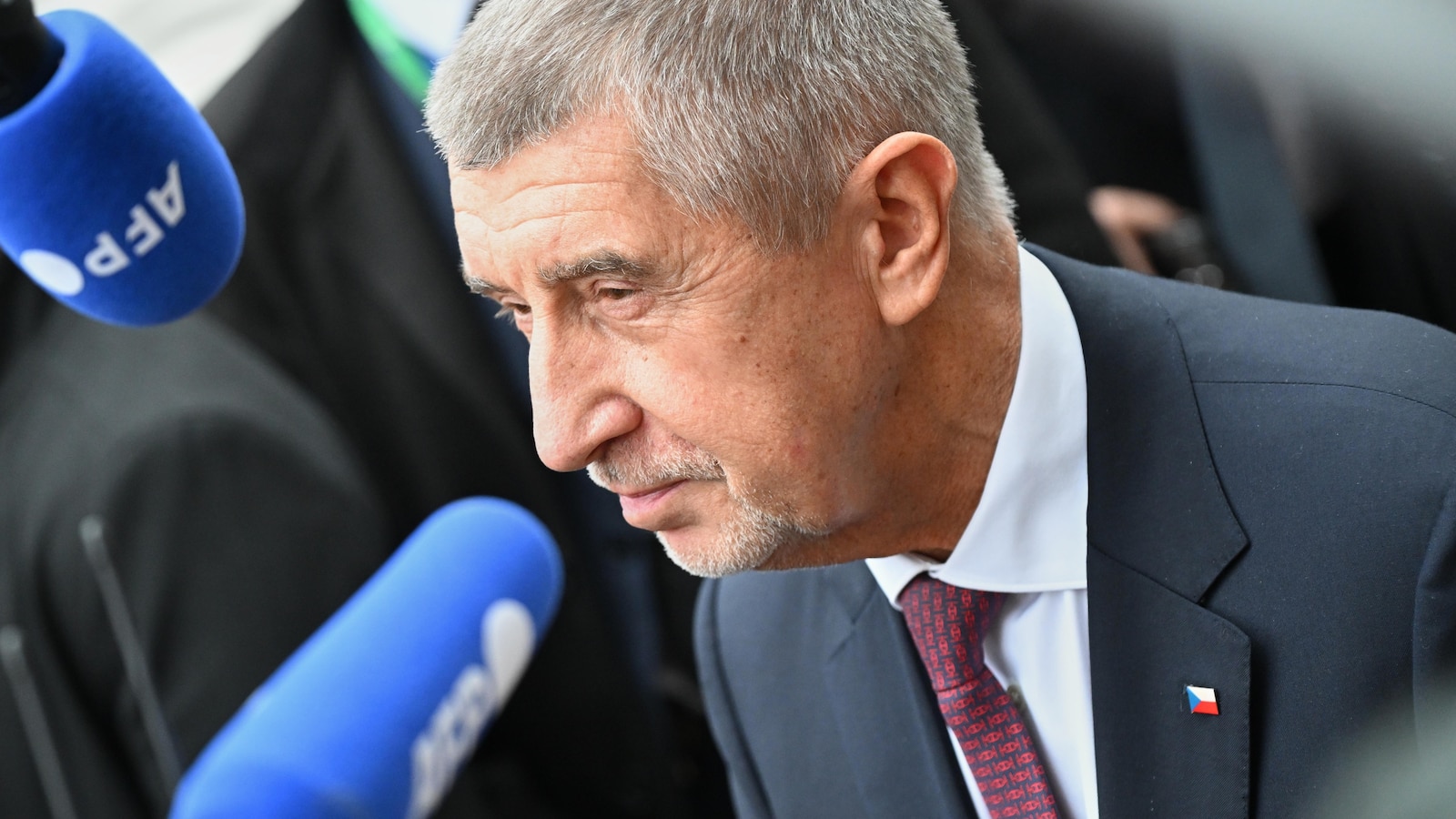
PRAGUE — The Czech Republic’s new government, led by Prime Minister Andrej Babiš, secured a mandatory confidence vote in Parliament on Thursday. This victory signals a potential shift in the nation’s foreign and domestic policies, moving away from staunch support for Ukraine and challenging key European Union initiatives.
Babiš’s Return and Coalition Formation
Lawmakers voted 108-91 in favor of the coalition, a necessary step for any new administration to govern. Babiš, who previously served as prime minister from 2017-2021, led his ANO (YES) movement to a significant win in the October election. He subsequently formed a coalition with the Freedom and Direct democracy party (known for its anti-migrant stance) and the right-wing Motorists for Themselves.
This alliance, sharing a perceived affinity for figures like Donald Trump, has assembled a 16-member Cabinet poised to redefine the Czech Republic’s approach to both international relations and internal affairs.
A departure from Pro-Western Policies
The incoming government represents a departure from its predecessor’s pro-Western orientation. Babiš has publicly opposed further financial aid to Ukraine and rejected guarantees for EU loans intended to support the country amidst the Russian invasion. This stance aligns him with leaders like Viktor Orbán of Hungary and Robert fico of Slovakia.
However, the government will continue to administer a Czech-led initiative that successfully procured 1.8 million artillery shells for Ukraine through non-EU markets, though without direct financial contribution from the Czech Republic.
Key Policy divergences
The coalition partners hold distinct policy positions that promise significant changes:
- Freedom and Direct Democracy: Advocates for leaving both the EU and NATO, and proposes the repatriation of a substantial portion of the 380,000 Ukrainian refugees currently in the country.
- Motorists for Themselves: Rejects the EU Green Deal and champions a revival of the Czech Republic’s coal industry, signaling a potential rollback of environmental initiatives.
This new direction raises questions about the Czech Republic’s future role within the European Union and its commitment to collective security efforts. The coming months will be crucial in observing how these policies are implemented and the impact they have on the nation’s standing on the international stage.
