
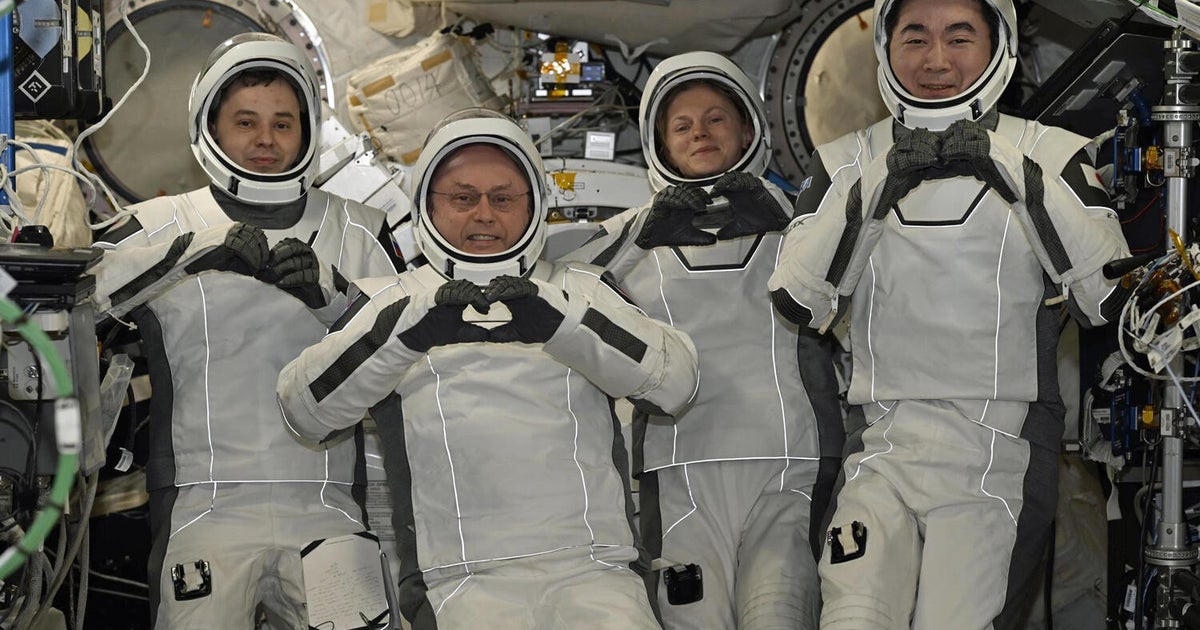
NASA Prioritizes Crew Health, Bringing Astronauts Home Early From ISS Due to Medical Issue
Houston, TX – January 13, 2026 – In a historic first, NASA is bringing the crew of the International Space Station (ISS), designated Crew-11, back to Earth ahead of schedule due to a medical issue affecting one of its members. Commander Mike Fincke, along with mission specialists Zena Cardman, Kimiya Yui, and Oleg Platonov, are preparing for a return trip that prioritizes comprehensive medical evaluation and crew well-being. The decision, announced last friday, marks the first time in the history of space station missions that a crew has been recalled early for health-related concerns [1].
A Deliberate Decision Rooted in Crew Safety
While the specific nature of the medical issue remains confidential to protect the astronaut’s privacy, NASA officials emphasized that the situation is not considered an emergency. “This was a deliberate decision to allow the right medical evaluations to happen on the ground, where the full range of diagnostic capability exists,” explained Fincke in a LinkedIn post. The crew is reported to be stable and in good spirits, preparing for their return with a calm and methodical approach.
James Polk, NASA’s chief medical officer, highlighted the proactive nature of the decision. “According to statistical analyses, we should have had a medical evacuation approximately every three years… and we’ve not one to date,” Polk stated. “Even in this case, we’re erring on the side of caution.” This underscores NASA’s commitment to prioritizing astronaut health, even when faced with a statistically rare occurrence.
Return Timeline and Procedures
The current plan involves undocking from the ISS around 5 p.m. EST on Wednesday. The Crew Dragon spacecraft will then initiate a deorbit burn at 2:50 a.m. Thursday, leading to a splashdown in the Pacific Ocean off the coast of Southern california at approximately 3:40 a.m. Following splashdown,the crew will undergo initial medical checks aboard the SpaceX recovery ship before being transported by helicopter to shore and then flown to the Johnson Space Center in Houston,Texas.
This accelerated return alters the original schedule, which had the crew remaining on the ISS until around February 20th. However, NASA is also evaluating the possibility of expediting the launch of the next crew, Crew-12, currently scheduled for February 15th, to minimize any disruption to ongoing research and operations on the space station.
A Smooth Transition of Command
Before departing, Commander Fincke will officially transfer command of the ISS to cosmonaut Sergey Kud-Sverchkov during a ceremony on Monday afternoon. Kud-Sverchkov, along with his Soyuz MS-28 crewmates Sergey Mikaev and NASA astronaut Chris Williams, will maintain operations on the station until Crew-12 arrives. Fincke expressed confidence in their ability to continue the mission seamlessly,stating,“We’re leaving the ISS in great hands.”
The Importance of Crew Health in Long-Duration Spaceflight
This incident serves as a crucial reminder of the inherent risks and challenges associated with long-duration spaceflight. The human body undergoes significant physiological changes in the microgravity surroundings of space, impacting everything from bone density and muscle mass to the immune system and cardiovascular function.
Maintaining astronaut health requires a multi-faceted approach, including:
- Rigorous pre-Flight Screening: Comprehensive medical evaluations are conducted to ensure astronauts are in optimal health before launch.
- In-Flight Monitoring: Continuous monitoring of vital signs and regular medical check-ups are performed throughout the mission.
- Countermeasures: Exercise regimens, specialized diets, and pharmaceutical interventions are employed to mitigate the negative effects of spaceflight on the body.
- Rapid Response Capabilities: Having protocols in place for addressing medical emergencies, including the ability to return a crew to Earth if necessary, is paramount.
The fact that NASA is prioritizing a crew member’s health by bringing them home early, even without a clear emergency, demonstrates the agency’s unwavering commitment to the well-being of its astronauts.This proactive approach sets a precedent for future missions and reinforces the importance of prioritizing human health in the exploration of space.
Looking Ahead
The safe return of Crew-11 and the continued operation of the ISS remain NASA’s top priorities. The agency will undoubtedly conduct a thorough review of the incident to identify any lessons learned and further refine its medical protocols for future missions. As space exploration continues to push the boundaries of human endeavor, ensuring the health and safety of astronauts will remain paramount.
Key Takeaways:
- Crew-11 is returning to Earth early due to a medical issue affecting one of its members.
- The decision is a precautionary measure to allow for comprehensive medical evaluation on earth.
- this marks the first time a crew has been recalled early from the ISS for medical reasons.
- NASA prioritizes astronaut health and has robust protocols in place for addressing medical concerns in space.
- The incident highlights the challenges of long-duration spaceflight and the importance of ongoing research into astronaut health.
