
CoQ10 as a Potential Support for Female Fertility
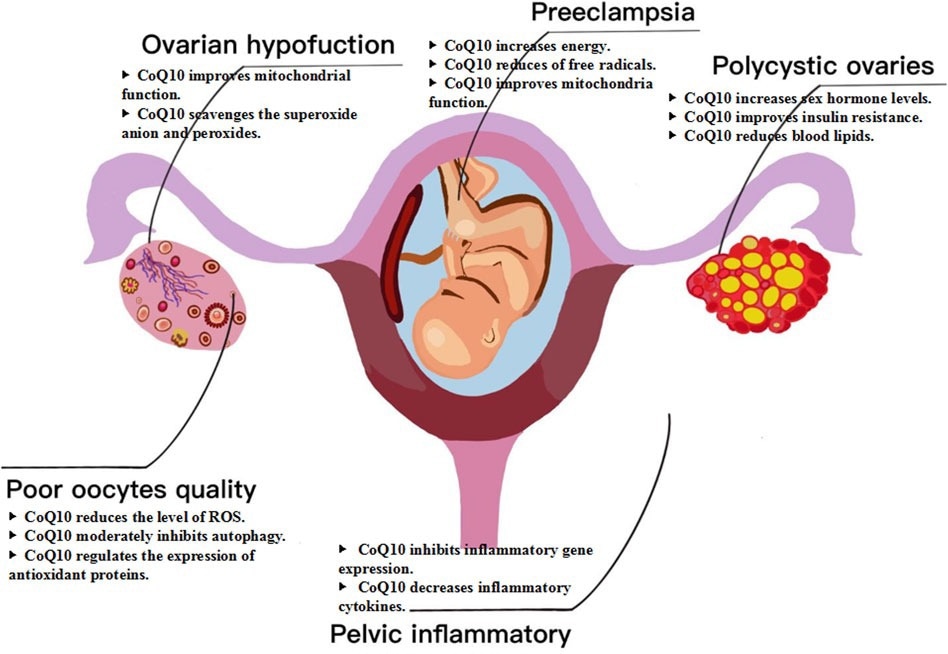
Emerging research suggests that Coenzyme Q10 (CoQ10) may offer benefits for women experiencing infertility, notably those with issues related to ovarian function, oocyte quality, polycystic ovaries, or pelvic inflammatory disease. Studies indicate CoQ10 impacts key factors in reproductive success, though further examination is needed to fully understand its efficacy.
A randomized controlled trial (RCT) focusing on young women with diminished ovarian reserves demonstrated positive effects from CoQ10 supplementation. participants receiving CoQ10 exhibited a higher number of eggs retrieved, improved fertilization rates, and a greater proportion of high-quality embryos compared to a placebo group. Notably, the rate of canceled embryo transfers due to poor embryo development decreased significantly in the CoQ10 group, falling from 22.89% to 8.33%. Though, this same study, and others reviewed, did not find a statistically significant difference in clinical pregnancy or live birth rates, suggesting CoQ10’s impact might potentially be more pronounced on intermediate reproductive markers than on overall pregnancy outcomes. The review also noted improvements in hormonal balance and metabolic markers in women with Polycystic Ovary Syndrome (PCOS) who supplemented with CoQ10.
Laboratory research supports these clinical observations. In vitro studies showed that adding CoQ10 to the culture medium used for maturing oocytes increased maturation rates from 48.9% to 75.7%. The benefits of CoQ10 also appear to be amplified when combined with other treatments; synergistic effects have been observed when used alongside Vitamin E and non-pharmacological interventions like transcutaneous electrical acupoint stimulation.
Research suggests CoQ10 may address underlying factors contributing to infertility by counteracting ovarian aging, mitigating mitochondrial dysfunction, and reducing damage to oocyte DNA. Current use-case dosing recommendations,based on available studies,range from 200 mg/day for women undergoing standard In Vitro Fertilization (IVF) to 600 mg/day for those with diminished ovarian reserve. While generally considered safe, a human safety ceiling of 1,200 mg/day has been identified, with potential gastrointestinal side effects reported at higher doses. The safety of CoQ10 supplementation during pregnancy and lactation remains unconfirmed and requires further study.
the available evidence points to CoQ10 as a perhaps valuable therapeutic agent in reproductive medicine.Its ability to enhance cellular energy production and provide antioxidant protection may directly address the age-related decline in oocyte quality often seen in female infertility.
However, significant research gaps remain. Larger, more extensive clinical trials are needed to establish standardized dosage protocols and treatment durations for diverse patient populations, including those with PCOS or premature ovarian failure. Future research should also investigate the synergistic effects of CoQ10 when used in conjunction with other therapies to optimize treatment strategies and fully determine its role in improving fertility outcomes.
