
Claudette Colvin: The Forgotten Pioneer of the Montgomery Bus Boycott
Claudette Colvin, a name often overshadowed in history books, was the first person arrested for refusing to give up her seat on a segregated bus in Montgomery, Alabama – nine months before Rosa Parks. She passed away on January 13, 2026, at the age of 86. Born September 5, 1939, Colvin’s story is a powerful testament to courage, resilience, adn the often-unrecognized contributions of young people to the Civil Rights Movement.
Early Life and Growing Consciousness
Colvin grew up in a segregated Montgomery, alabama, in a neighborhood described as consisting of “three unpaved streets lined with red shotgun shacks and outdoor toilets.” Raised by her great-aunt Mary Jane and great-uncle Q.P. Smith,she was immersed in a world of literature,obsessively reading the works of Edgar Allan Poe and William Shakespeare. This intellectual curiosity,coupled with her lived experience of Jim Crow,fueled a growing political consciousness.
In school, Colvin studied the 14th Amendment and wrote a paper detailing the realities of segregation in her hometown. She was deeply affected by the case of Jeremiah Reeves, a Black teenager wrongly accused of rape and sentenced to death.These experiences laid the groundwork for her pivotal act of defiance.
The Day She Refused to Move
On March 2, 1955, a white woman demanded that Colvin relinquish her seat on a crowded bus. Colvin refused. As police forcibly removed her,she was subjected to verbal abuse and feared physical assault. In that moment of terror, she found solace in reciting poetry – lines from Poe’s “annabel Lee,” Shakespeare’s A Midsummer Night’s Dream, the Lord’s Prayer, and Psalm 23 – grounding herself amidst the chaos.
Colvin later described feeling the presence of historical figures like Harriet Tubman and Sojourner Truth bolstering her resolve. This spiritual and historical connection highlights the deep roots of her courage and the weight of the struggle for equality she carried with her.
Beyond the Arrest: Browder v. Gayle and the NAACP
Colvin’s arrest didn’t immediately spark the widespread attention given to Rosa Parks’s act of resistance later that year. Though, it became a crucial part of the legal challenge to segregation. She became a plaintiff in Browder v. Gayle, the landmark case that ultimately led to the Supreme Court ruling declaring Alabama’s bus segregation laws unconstitutional.
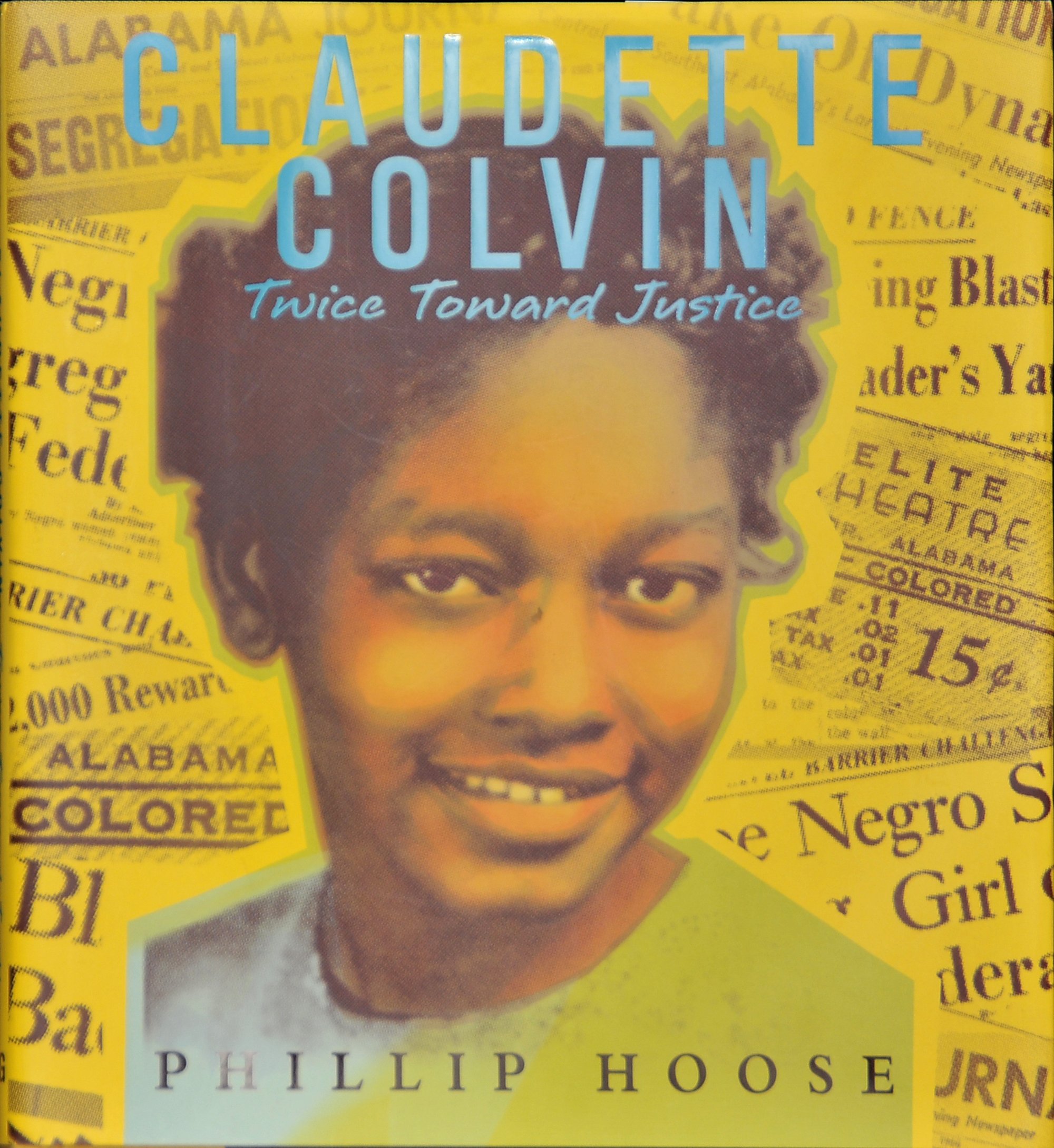
As a youth council member of the NAACP, Colvin benefited from the mentorship of seasoned activists like Rosa Parks and Virginia Durr. Parks recognized Colvin’s potential and encouraged her to share her story.This mentorship was instrumental in shaping Colvin’s understanding of leadership and the importance of unwavering commitment.
The Role of Women in the Movement
Recent academic research sheds light on the frequently enough-overlooked role of women in the Civil Rights Movement. A study on transborder civil-rights activism points out that women, particularly Black women working as domestic laborers, were frequent bus riders and often the first to challenge segregation. Their everyday acts of resistance, though often undocumented, were vital to the movement’s success. Colvin’s story exemplifies this often-hidden history.
Life After Activism
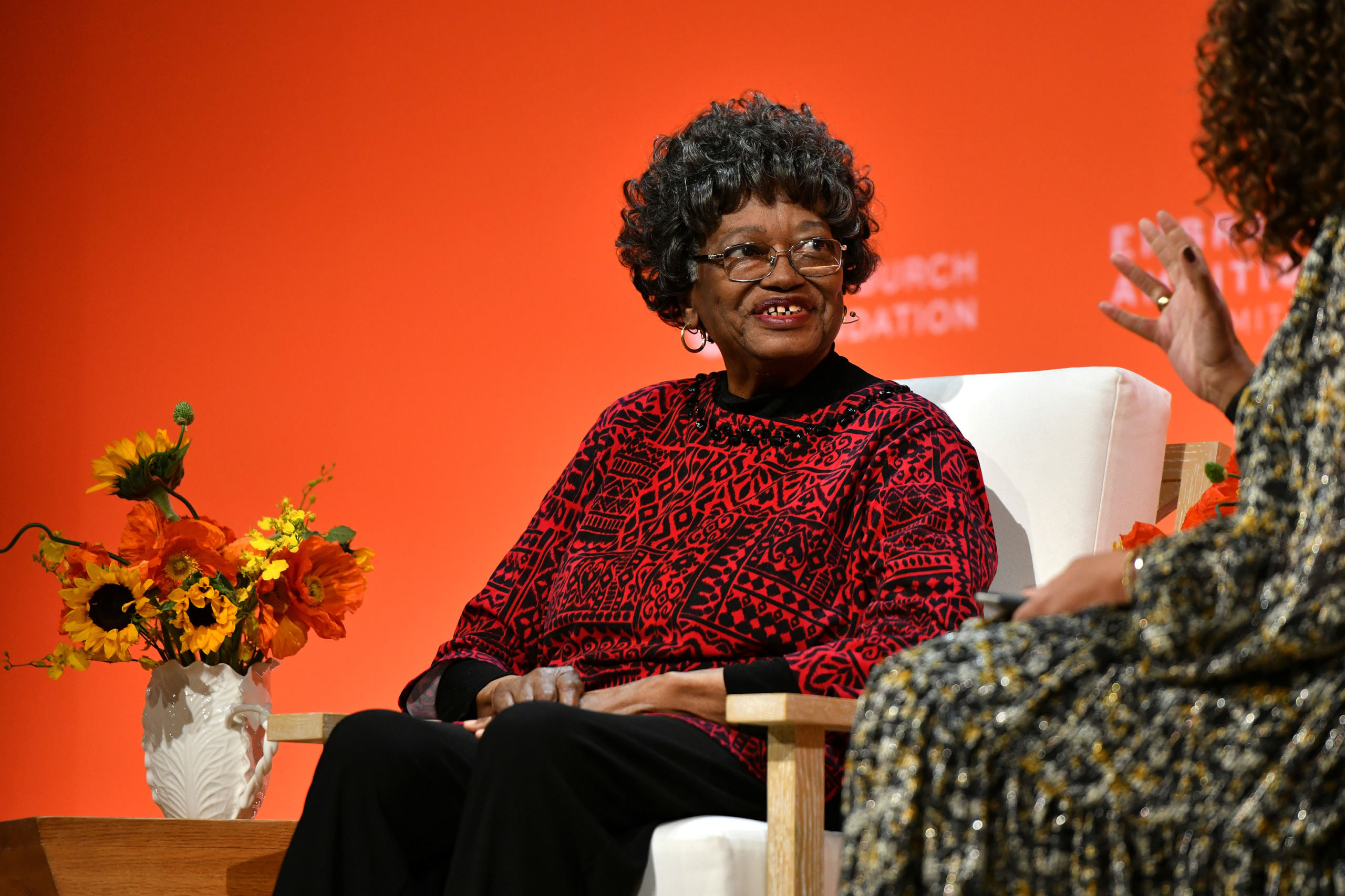
After Browder v. Gayle, Colvin moved to New York and worked for decades as a nurse’s aide, quietly raising her sons while continuing to share her story when the prospect arose. She remained a steadfast advocate for justice and equality throughout her life.
Legacy and Inspiration
Claudette Colvin’s life serves as a powerful reminder that courage doesn’t require perfection or permission. It stems from a deep understanding of one’s rights and the strength found in community. Her defiance at the age of fifteen demonstrates that liberation movements are fueled not only by iconic figures but also by the moral clarity and unwavering spirit of youth.
As Colvin herself stated, “history only has room for a few icons,” but she believed that all voices deserve to be heard. Her example ensures that her voice, and the voices of countless other unsung heroes of the Civil rights Movement, will continue to inspire generations to come.
Key Takeaways
- Claudette colvin was the first person arrested for refusing to give up her seat on a segregated bus in Montgomery, Alabama, predating Rosa Parks’s famous act.
- Her case was pivotal in Browder v. Gayle, wich ultimately outlawed bus segregation in alabama.
- Colvin’s story highlights the crucial, frequently enough overlooked, role of young people and women in the civil Rights Movement.
- Her courage stemmed from a deep understanding of her rights, a love of literature, and a connection to the historical struggle for equality.
- Colvin’s life demonstrates that activism doesn’t always require grand gestures; everyday acts of defiance can have a profound impact.
