
China’s Expanding Satellite Constellations Fuel Surge in Orbital Debris, Expert Warns
WASHINGTON – The rapid deployment of two Chinese megaconstellations – Guowang and Thousand Sails - is dramatically increasing the amount of long-lived space debris, potentially doubling the risk of collisions in orbit, according to space debris expert Michael McKnight. Removing just 50 abandoned rocket bodies currently in orbit would cut the overall danger from space junk in half, he says.
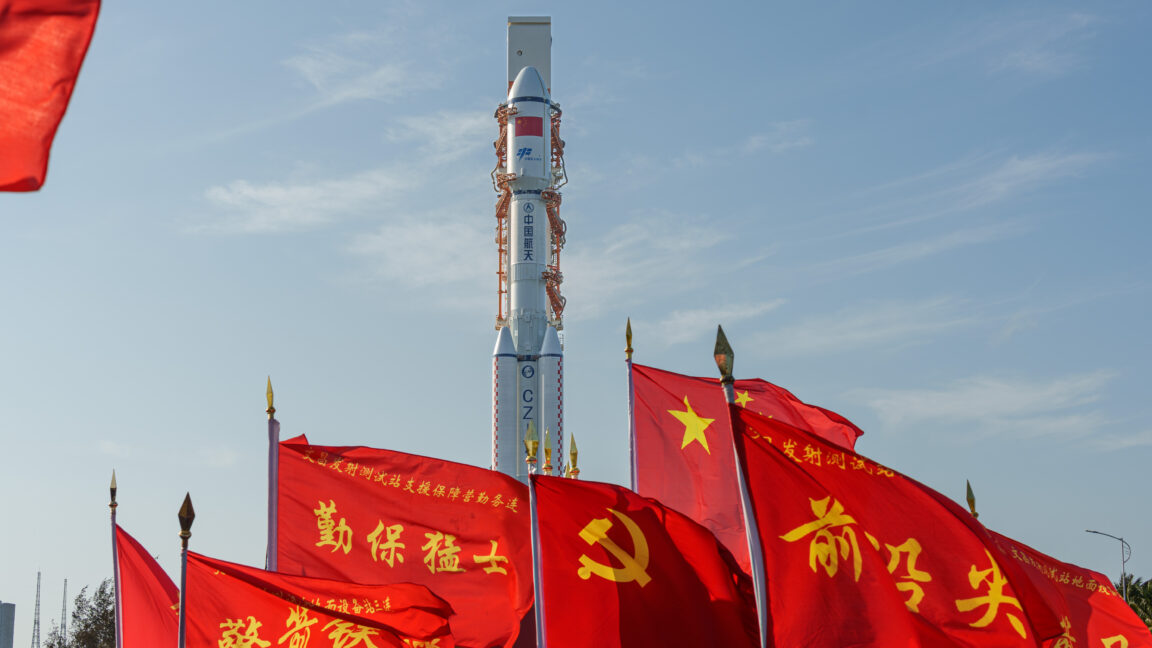
The launches of Guowang and Thousand Sails, which aim to provide global communications, began last year and involve sending thousands of relatively small satellites into low-Earth orbit.While the satellites themselves are reportedly capable of maneuvering to avoid collisions, the rockets used to deliver them are creating a growing problem. McKnight estimates that nine upper stages abandoned after launching guowang and Thousand Sails satellites will remain in orbit for more than 25 years, violating international guidelines for responsible space practices.
“In the next few years, if they continue the same trend, they’re going to leave well over 100 rocket bodies over the 25-year rule if they continue to deploy these constellations,” McKnight said. “So, the trend is not good.”
The issue stems from a practice of leaving upper rocket stages in orbit after deploying their payloads. Some older Chinese rockets lack the capability to reignite engines for a controlled deorbit, while even those with restartable engines may not carry enough fuel for the maneuver to maximize payload capacity. China has demonstrated the capability for responsible deorbiting, as seen with the Long March 5 rocket’s YZ-2 upper stage used in some guowang launches, which is designed to self-destruct upon mission completion. However, McKnight notes this practice is not consistent.
“With the other ones, they always leave a rocket body,” McKnight said. “So, they have the capability to do sustainable practices, but on average, they do not.”
Since 2000, China has accumulated more dead rocket mass in long-lived orbits than all other countries combined. McKnight says this accumulation is now accelerating with the deployment of the megaconstellations. The growing debris field poses a threat to operational satellites and future space missions, highlighting the need for international cooperation and adherence to debris mitigation guidelines.
