
China’s Renewable Energy surge: A New Era of Global Power
Table of Contents
- China’s Renewable Energy surge: A New Era of Global Power
- Unprecedented Growth in Renewable Capacity
- Strategic Alignment of Climate and Economic Goals
- Global Leadership in clean Technology
- Contrasting Approaches: A Shift in energy Innovation
- Investment Divergence and Strategic Priorities
- The Soft Power of Green energy
- A Change of Roles: From Leader to Competitor
- Future Projections and Global Impact
- Evergreen Insights: The Rise of Renewable Energy
- Frequently Asked Questions About China’s Renewable Energy Dominance
China's massive investment in renewable energy, installing solar panels at an unprecedented rate, signals a shift in global power dynamics and energy leadership.">
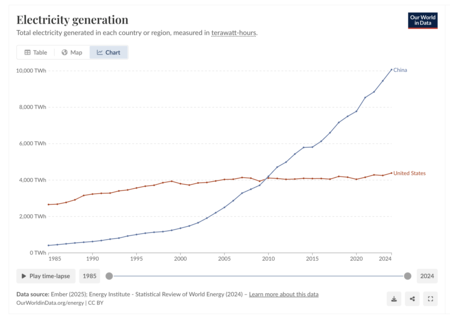
China is rapidly transforming the global energy landscape,installing approximately 100 solar panels every second. This massive deployment of renewable energy contrasts sharply with other nations focusing on fossil fuels, marking a pivotal moment in the race for geopolitical influence in the 21st century.
Unprecedented Growth in Renewable Capacity
In a single month, China added 93 gigawatts (GW) of solar capacity and 26 GW of wind power, representing around 5,300 new wind turbines. According to Lauri Myllyvirta, a principal researcher at the Asia Society Policy Institute, this single month’s output could match the electricity consumption of entire countries like Poland, Sweden, or the United Arab Emirates, as reported by The Guardian.
Between January and May 2025, China installed 198 GW of solar and 46 GW of wind capacity, equivalent to the total electricity production of Türkiye or Indonesia. This surge has propelled China past 1,200 GW of total capacity, accounting for half of the world’s total renewable energy capacity.
Did You Know? China’s renewable energy capacity now exceeds half of the world’s total, showcasing its dominance in the sector.
Strategic Alignment of Climate and Economic Goals
China is increasingly linking its climate ambitions with economic growth through renewable technologies. President Xi Jinping has emphasized the role of clean energy progress in revitalizing China’s economy, highlighting the country’s comprehensive energy chain, which includes renewables, batteries, and storage technologies.
Global Leadership in clean Technology
China has become the world’s leading supplier of clean technologies, dominating the markets for solar panels, wind turbines, batteries, electric vehicles, and nuclear reactors under construction. the nation holds nearly 700,000 clean energy patents, more than half of the global total, according to The New York Times.
Pro Tip: china’s dominance in clean energy patents underscores its commitment to innovation and technological advancement in the renewable sector.
Contrasting Approaches: A Shift in energy Innovation
While the United States pioneered energy innovation in the 20th century, from commercial solar cells to the first wind farms, recent policies have shifted focus back to fossil fuels. This divergence in strategy highlights contrasting visions for the future of energy and global influence.
Investment Divergence and Strategic Priorities
While Washington encourages allies to invest in American natural gas infrastructure, companies like General Motors are reinvesting in gasoline V-8 engines, signaling a continued reliance on conventional energy sources. This contrasts sharply with China’s aggressive expansion in renewable energy investments.
The Soft Power of Green energy
Chinese companies have announced over $168 billion in foreign investments in clean energy projects, spanning from wind turbines in Brazil to electric cars in Indonesia and solar plants in Saudi Arabia, according to Climate Energy Finance data. This strategy positions green energy as a tool for soft power, enabling china to expand its global influence through infrastructure, long-term contracts, and financing.
In contrast, the United States has reduced its international energy cooperation programs, focusing on transactional agreements for gas, oil, and weapons, lacking a comprehensive strategy to compete in the evolving energy landscape.
A Change of Roles: From Leader to Competitor
The United States,once a leader in energy innovation,now faces competition from China,which has strategically invested in renewable energy production. China’s proactive approach, including significant investments in subsidies, factories, technical training, and innovation, has allowed it to dominate the market and control access to essential raw materials.
Future Projections and Global Impact
The International Energy Agency projects a global shift towards solar and wind energy,driven by growing energy demand. This transition will reshape the global balance of power, with the leader in renewable energy gaining geopolitical, commercial, and diplomatic advantages.
China is positioning itself to lead this new world order. The critical question is whether other global players are prepared to compete with the same strategic vision, patience, and scale.
How will the shift towards renewable energy impact global geopolitics? What strategies can other nations adopt to compete with China in the clean energy sector?
Evergreen Insights: The Rise of Renewable Energy
The global shift towards renewable energy is driven by concerns over climate change, energy security, and economic opportunities. Renewable energy sources, such as solar, wind, hydro, and geothermal, offer a enduring alternative to fossil fuels, reducing greenhouse gas emissions and diversifying energy supplies. The cost of renewable energy technologies has decreased significantly in recent years, making them increasingly competitive with traditional energy sources.
China’s dominance in the renewable energy sector is a result of strategic government policies, massive investments, and technological innovation. The country has leveraged its manufacturing capabilities and access to raw materials to become a global leader in the production and deployment of renewable energy technologies. This has significant implications for global energy markets, geopolitical power dynamics, and the fight against climate change.
Frequently Asked Questions About China’s Renewable Energy Dominance
- Why is China investing so heavily in renewable energy?
- China’s investment in renewable energy is driven by a combination of factors, including concerns about air pollution, energy security, and economic growth. The country aims to reduce its reliance on fossil fuels, create new industries, and become a global leader in clean energy technologies.
- How dose China’s renewable energy capacity compare to other countries?
- China has the largest installed renewable energy capacity in the world, surpassing all other countries by a significant margin. Its investments in solar, wind, and hydro power have transformed its energy mix and positioned it as a global leader in renewable energy deployment.
- What are the geopolitical implications of China’s renewable energy dominance?
- China’s dominance in renewable energy gives it significant geopolitical leverage, allowing it to influence global energy markets, shape international climate policies, and expand its economic and political influence through infrastructure projects and technology exports.
- What challenges does China face in its transition to renewable energy?
- Despite its progress, China faces challenges in integrating renewable energy into its grid, managing intermittency issues, and ensuring a smooth transition for workers in fossil fuel industries. The country also needs to address environmental concerns related to the manufacturing of renewable energy technologies.
- How can other countries compete with China in the renewable energy sector?
- Other countries can compete with China by investing in research and development, creating supportive policy frameworks, fostering innovation, and building strong domestic industries.Collaboration and knowledge sharing are also essential for accelerating the global transition to renewable energy.
- What role does technology play in China’s renewable energy success?
- Technology plays a crucial role in China’s renewable energy success. The country has invested heavily in developing advanced solar panels, wind turbines, and energy storage systems. These technological advancements have improved the efficiency and affordability of renewable energy, making it more competitive with fossil fuels.
- How is China addressing the environmental impact of renewable energy production?
- China is taking steps to address the environmental impact of renewable energy production by promoting sustainable manufacturing practices, recycling materials, and investing in research to develop more environmentally amiable technologies. The country is also working to reduce its reliance on rare earth minerals used in some renewable energy components.
Share your thoughts: How can nations balance economic growth with sustainable energy policies?
