
.
China‑India relationship is now at the center of a structural shift involving bilateral strategic alignment in a multipolar Asia. The immediate implication is a potential recalibration of regional power balances that could blunt U.S. leverage over both capitals.
the Strategic Context
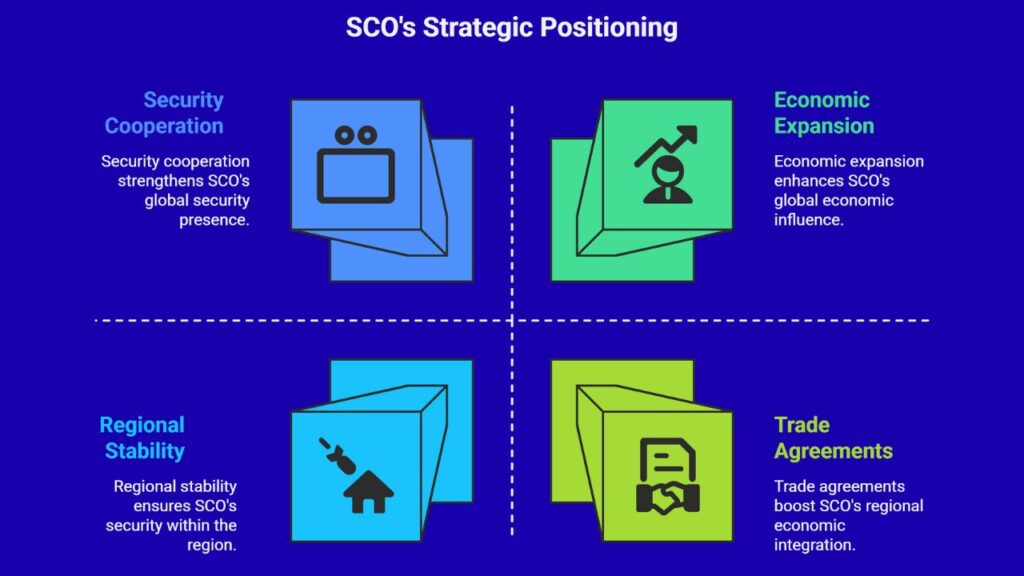
As the 2020 border clash, India and China have operated under a de‑facto rivalry, punctuated by trade disputes and competing infrastructure projects across the Indian Ocean and Central Asia. The Shanghai Cooperation Organisation, originally a security forum for China, Russia and Central Asian states, has evolved into a broader platform for Asian powers to coordinate on security, trade and geopolitical messaging. The SCO’s expansion to include India, Pakistan and Iran reflects a structural trend toward institutionalized multipolarity, where non‑Western blocs seek collective bargaining power against NATO‑led institutions.This backdrop, combined with the United States’ recent escalation of tariffs on Indian goods and continued sanctions on Russia, creates an surroundings in which both Beijing and New Delhi are incentivised to diversify diplomatic and economic partnerships.
Core Analysis: Incentives & Constraints
Source Signals: the summit in Tianjin featured a first visit by the Indian prime minister to China in seven years, a public pledge by both leaders to move from rivalry to partnership, and a commitment to resume direct air links. Both leaders framed the dialog as a long‑term, strategic outlook, emphasizing “friendship” and “stability.” The United States has imposed steep tariffs on Indian exports in response to India’s purchase of discounted russian oil, straining Indo‑U.S.ties. Russia, under sanctions, is courting both China and India for deeper cooperation.
WTN Interpretation: Modi’s presence signals a calculated hedging strategy: by engaging Beijing directly, India secures a counterweight to U.S. pressure while preserving its core security partnership with the United States and its defence procurement ties with Russia. Beijing, for its part, leverages India’s economic size and strategic location to offset the risk of over‑reliance on Russia and to dilute the impact of U.S. containment policies. Constraints include unresolved territorial disputes in Ladakh, persistent trade imbalances, and India’s historic security concerns about China’s relationship with Pakistan. Both capitals must also manage domestic political audiences that view the other as a strategic competitor, limiting how far rhetoric can translate into concrete policy.
WTN Strategic Insight
“The emerging China‑India partnership is less a friendship pact than a pragmatic alignment that reinforces a broader Asian shift toward a multipolar order.”
Future Outlook: Scenario Paths & Key Indicators
Baseline Path: If diplomatic overtures continue and no major flashpoint erupts in the Himalayas, the partnership will deepen incrementally-resumption of direct flights, expanded trade corridors, and coordinated positions within the SCO. This trajectory will encourage both capitals to use the SCO as a platform for joint statements on issues such as maritime security and supply‑chain resilience, thereby institutionalising a modest but stable counterbalance to U.S. influence.
Risk Path: If a border incident escalates or if U.S. tariff pressure intensifies, domestic nationalist pressures could force both leaders to revert to a more confrontational stance.In that scenario, the SCO could become a venue for signaling rather than cooperation, and bilateral trade initiatives may stall, reviving strategic competition in the region.
- Indicator 1: Schedule of high‑level defence talks between India and China (e.g., joint military exercises or senior officer exchanges) within the next three months.
- Indicator 2: Trade data on bilateral merchandise volumes, especially in high‑tech and energy sectors, released in the next quarterly customs reports.
