China Expands Currency Swap with Egypt to Deepen Economic Ties
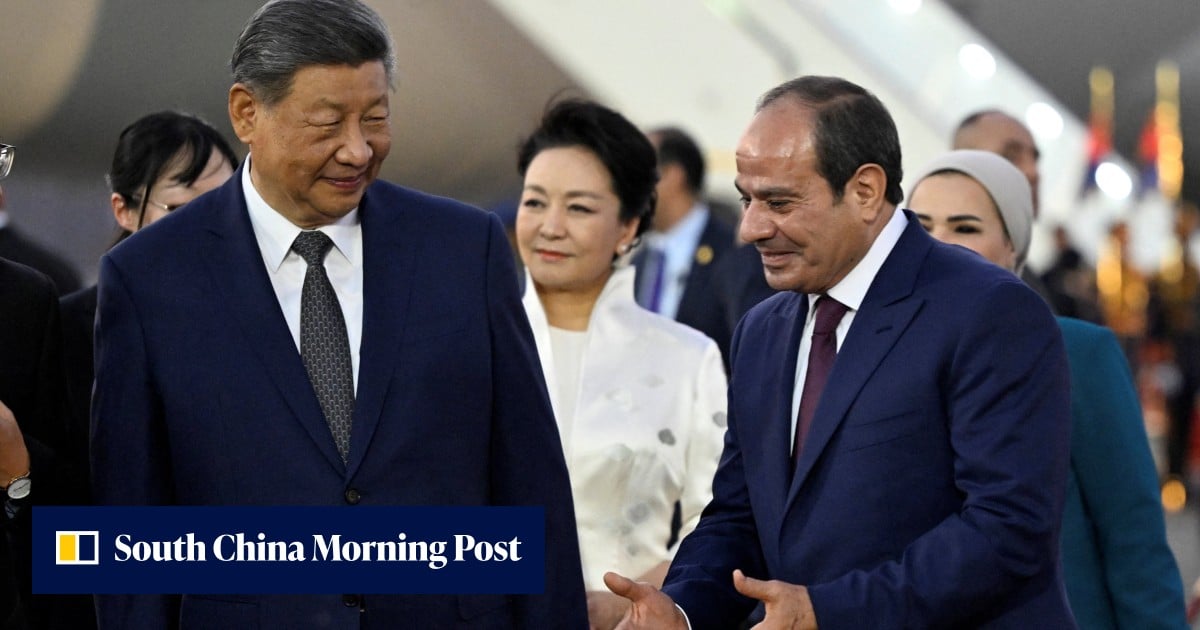
China and Egypt expanded their local-currency swap line to 30 billion yuan, roughly 4.47 billion US dollars, extending the financial backstop for three years, according to a joint statement. During a state visit to Cairo, Chinese President Xi Jinping and Egyptian President Abdel Fattah el-Sisi backed greater use of their national currencies to anchor industrial, energy, and digital infrastructure projects.
Expanding the Renminbi Framework in North Africa
The People’s Bank of China and the Central Bank of Egypt finalized the renewal to lift the swap ceiling by 67 percent from its previous 18 billion yuan limit. According to reporting from the South China Morning Post, the expanded mechanism is designed to support growing bilateral trade and investment while positioning Egypt as a regional logistics hub. Cairo already maintains a 30 billion yuan swap arrangement with Beijing and has utilized panda bonds issued within China’s domestic market to diversify its financing tools.
Financial analysts interviewed by EnterpriseAM noted that while the larger swap line offers an alternative source of foreign-currency liquidity, its near-term utility will primarily support the financing of Chinese imports. Egypt runs a wide trade deficit with Beijing, which widened to roughly USD 19 bn in the prior year. Consequently, the swap line functions as a balance-sheet buffer rather than an immediate fix for trade imbalances.
For businesses operating along this growing trade corridor, managing multi-currency liabilities requires precise logistical planning. Companies often engage in navigating the complexities of direct renminbi settlement and optimizing cross-border supply chains.
Strategic Alignment within the Brics Bloc
The enhanced financial cooperation coincides with Egypt’s integration into the expanded Brics emerging economies bloc. President Xi and President el-Sisi emphasized technology transfers and investments aimed at building Egypt into a gateway for regional markets. John Calabrese, a non-resident senior fellow at the Middle East Institute, told the South China Morning Post that the explicit reference to yuan use in the joint statement is likely significant for future capital flows.
At the same time, banking analysts cautioned that genuine domestic industrial capacity will depend entirely on how Cairo negotiates individual project terms. Ahmed Shawky, speaking to EnterpriseAM, stated that the move reflects genuine needs stemming from expanded Chinese trade, but warned against exaggerating its immediate impact on overall foreign exchange stability.
Heavy industries importing Chinese machinery, contractors managing large-scale energy projects, and entities operating inside the Suez Canal Economic Zone stand to gain the most. These enterprises can leverage direct currency settlement to secure pricing advantages on intermediate goods, according to banking analyst Mohamed Abdel Moneim.
Mitigating Currency Exposure and Financial Risk
Egypt’s strategy differs markedly from how Gulf Cooperation Council members utilize similar swap arrangements. While Cairo reaches for renminbi liquidity out of balance-sheet necessity, nations like Saudi Arabia and the United Arab Emirates hold substantial dollar reserves, making currency choice a matter of strategic optionality. As commercial activity intensifies, managing localized wage obligations and tax compliance becomes increasingly complex for foreign contractors.

Ensuring full regulatory compliance across multiple jurisdictions requires specialized oversight. Organizations frequently collaborate with to draft watertight cross-border agreements and safeguard operational assets against foreign exchange volatility.
Whether local corporations routinely adopt the renminbi for daily commerce remains the ultimate test of Beijing’s currency internationalization drive. As industrial and green infrastructure projects break ground across Egypt, the true measure of the expanded swap line will be determined by corporate adoption rates on the ground.