
Chikungunya Fever: A Global Health Concern on the Rise
Table of Contents
Hong Kong health officials are on high alert, and cases are surging across Asia, prompting increased concern about chikungunya fever worldwide. The mosquito-borne viral illness, characterized by debilitating joint pain, is gaining traction as a significant public health challenge.
The Meaning Behind the Name
The name “chikungunya” itself offers a clue to the disease’s most prominent symptom. Derived from the Kimakonde language-spoken by the Makonde people of southeastern Tanzania and northern Mozambique-it translates to “that which bends up,” referencing the contorted posture often adopted by those suffering from the virus’s severe joint pain [[1]]. The term originates from the verb kungunyala,meaning “to assume a contorted position.”
Did You Know? The distinctive joint pain associated with chikungunya can persist for months, even years, significantly impacting a person’s quality of life.
Historical Origins and Spread
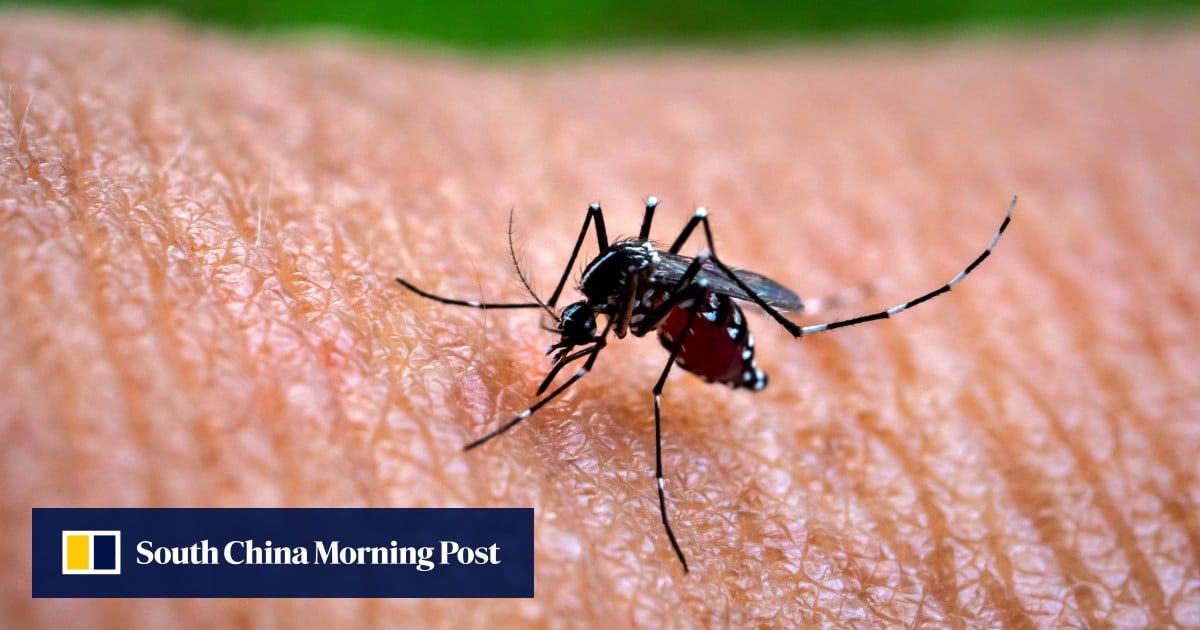
While the virus has existed for decades, chikungunya was first identified in 1952 during an outbreak in the Makonde province of southern Tanzania. For years, it was often misdiagnosed as dengue fever due to overlapping symptoms. However, since 2004, the virus has experienced a rapid global expansion, now detected in over sixty countries [[2]]. this spread is largely attributed to the proliferation of the Aedes aegypti and Aedes albopictus mosquitoes,the primary vectors for the disease.
Key Facts About Chikungunya
| Characteristic | Details |
|---|---|
| First Identified | 1952, Tanzania |
| Primary Vectors | Aedes aegypti and Aedes albopictus mosquitoes |
| Key Symptom | Prolonged joint pain |
| Global reach (as of 2024) | Reported in over 60 countries |
Symptoms and Impact
Chikungunya typically presents with an abrupt onset of high fever, headache, muscle and joint pain, fatigue, and a skin rash. The hallmark of the illness, though, is the intense and prolonged joint pain, which can be debilitating. This pain often affects multiple joints and can last for weeks, months, or even years.
Pro Tip: Prevention is key! Use mosquito repellent, wear long sleeves and pants, and eliminate standing water around your home to reduce mosquito breeding grounds.
The economic impact of chikungunya can also be substantial, as the chronic pain can limit mobility and productivity.What long-term strategies can be implemented to mitigate the spread and impact of this growing health threat? How can communities best prepare for potential outbreaks?
Preparedness and Control
Effective management of chikungunya relies on controlling mosquito populations and protecting individuals from mosquito bites. The World Health Organization provides guidelines for prevention and control, emphasizing surveillance, vector control, and clinical management [[3]]. These guidelines include measures such as insecticide spraying, larvicide application, and public awareness campaigns.
Chikungunya’s resurgence highlights the growing threat of vector-borne diseases in a changing climate. Increased global travel and urbanization contribute to the spread of these illnesses, demanding proactive surveillance and robust public health infrastructure. Research into new diagnostic tools and potential vaccines remains crucial for long-term control.
Frequently Asked Questions About Chikungunya
- What is chikungunya fever? Chikungunya is a viral disease transmitted to humans by infected mosquitoes, causing fever and severe joint pain.
- How is chikungunya transmitted? It is transmitted through the bite of infected Aedes species mosquitoes.
- What are the symptoms of chikungunya? Symptoms include fever, joint pain, headache, muscle pain, and rash.
- Is there a cure for chikungunya? There is no specific cure, treatment focuses on relieving symptoms.
- How can I protect myself from chikungunya? Use mosquito repellent, wear protective clothing, and eliminate standing water.
Disclaimer: This article provides general information and should not be considered medical advice. Consult with a healthcare professional for diagnosis and treatment.
We hope this article has provided valuable insight into the growing concern of chikungunya fever. Share this information with your friends and family to help raise awareness and promote preventative measures.Don’t forget to subscribe to our newsletter for the latest updates on global health issues!
