Case Report of Immunoglobulin A Vasculitis in Seven-Year-Old
A seven-year-old female patient developed immunoglobulin A vasculitis—demonstrated by progressive palpable purpura, arthralgia, and abdominal pain following a streptococcal infection—highlighting the diagnostic challenge of tracking sequential systemic symptoms in pediatric primary care.
-
Key Clinical Takeaways:
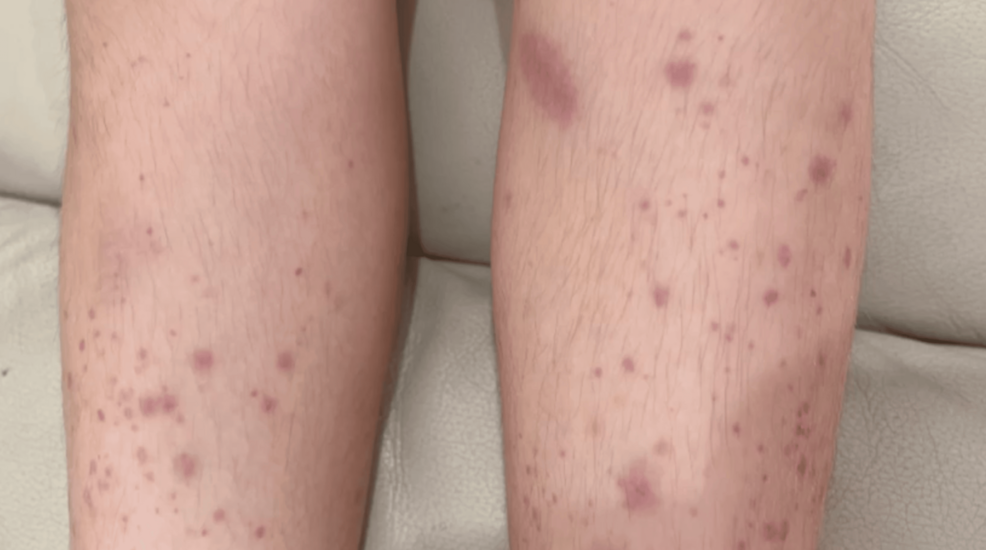
- The patient initially presented with isolated palpable purpura on the lower limbs two weeks after being treated with intramuscular penicillin for streptococcal acute tonsillitis.
- Initial laboratory tests at the pediatric emergency department showed no hematologic, inflammatory, or renal abnormalities, leading to an initial assumption of isolated purpura.
- Sequential development of bilateral tibiotarsal oedema, arthralgia, and abdominal pain weeks later fulfilled the EULAR/PRINTO/PRES criteria for immunoglobulin A vasculitis.
Unscheduled Pediatric Consultation for Lower Limb Purpura
The case began when the patient attended an unscheduled primary care consultation alongside her mother. She presented with a non-pruritic, non-painful cutaneous rash affecting the lower limbs that had been present for two weeks with progressive worsening. Approximately two weeks prior to the rash, she was diagnosed with streptococcal acute bacterial tonsillitis and treated with intramuscular penicillin. Physical examination revealed bilateral palpable purpura of the lower limbs below the knees that did not blanch on pressure. To exclude platelet or coagulation disorders, the patient was referred to the local hospital’s pediatric emergency department.
Initial Emergency Department Laboratory Evaluation
Initial laboratory investigations at the hospital—including complete blood count, international normalised ratio, activated partial thromboplastin time, prothrombin time, serum creatinine, estimated glomerular filtration rate, liver function tests, inflammatory markers, urinalysis, and urinary protein-to-creatinine ratio—revealed entirely normal findings. Haemoglobin was measured at 13.0 g/dL, white blood cell count at 6.6 × 10⁹/L, and platelets at 211 × 10⁹/L. Because all tests were normal, clinicians assumed a diagnosis of isolated purpura and scheduled a clinical reassessment for one week later.
Sequential Development of Systemic Symptoms
Before the scheduled follow-up, the patient returned to the pediatric emergency department due to new-onset bilateral tibiotarsal oedema and arthralgia lasting 24 hours, paired with generalised abdominal pain and spreading purpuric lesions. Examination showed purpura extending to the gluteal region and upper limbs, alongside mild joint oedema and tenderness. Repeat laboratory testing remained completely normal, yet the presentation now met the formal EULAR/PRINTO/PRES criteria for immunoglobulin A vasculitis. Clinicians initiated weight-adjusted supportive treatment with paracetamol and ibuprofen, maintaining clinical surveillance.
Patient Achieves Sustained Clinical Resolution over Ten Months
Following two weeks of supportive care, the patient experienced a temporary return of intermittent abdominal pain and a new purpuric lesion, though repeat renal assessments and urinalysis remained normal. Serial monitoring continued biweekly and then monthly. Progressive and sustained clinical resolution occurred over the subsequent months. The patient was formally discharged from immunoglobulin A vasculitis follow-up approximately 10 months after diagnosis, retaining normal renal function throughout the observation period.
Disclaimer: The information provided in this article is for educational and scientific communication purposes only and does not constitute medical advice. Always consult with a qualified healthcare provider regarding any medical condition, diagnosis, or treatment plan.