Weizmann Institute identifies MTCH2 protein switch that controls fat
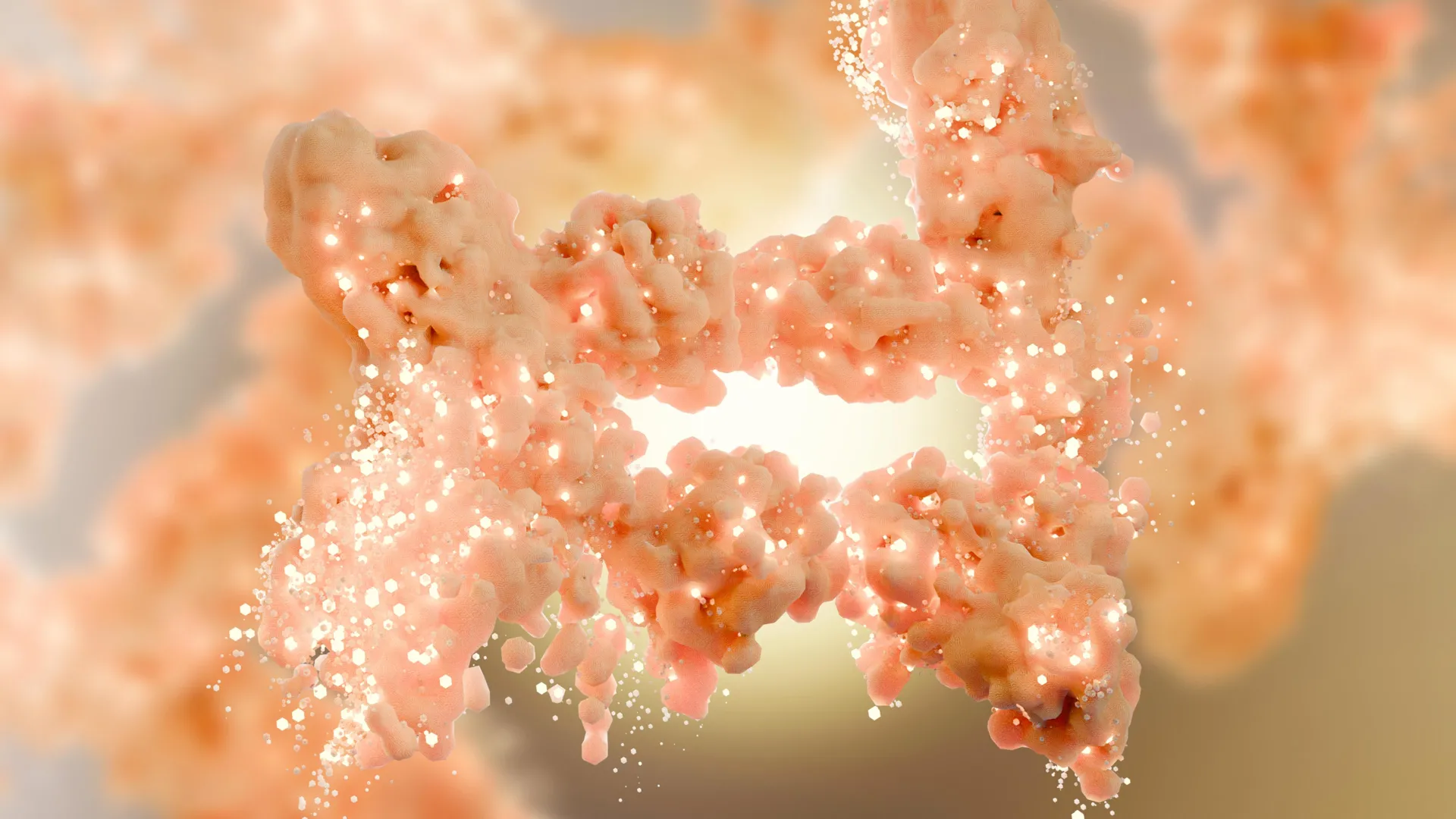
Researchers at the Weizmann Institute of Science have identified a protein switch called MTCH2, nicknamed Mitch, that controls whether cells burn fat or store it.
Key Clinical Takeaways:
- Scientists identified the MTCH2 protein as a critical regulator of cellular metabolism, determining energy consumption and fat accumulation.
- Laboratory experiments showed that deleting Mitch in human and mouse cells increases fatty acid breakdown and blocks the formation of new fat cells.
- The findings build on research published in The EMBO Journal in January 2025 and Nature Communications in October 2025, offering potential new pathways for treating obesity.
Uncovering the MTCH2 Protein Switch
The discovery centers on a protein previously known for its role in mitochondrial fusion, the process where separate mitochondria merge. Professor Atan Gross and his colleagues at the Weizmann Institute investigated how altering this protein affects cellular energy. When scientists disabled MTCH2 in laboratory experiments, cells began consuming more fuel, including fats and carbohydrates. The findings suggest that manipulating the protein could eventually offer a way to influence both fat burning and fat accumulation.
Missing MTCH2 Fragments Mitochondrial Networks and Reduces Energy
Mitochondria convert energy from food into adenosine triphosphate, or ATP. Gross’s team established that without Mitch, the mitochondrial network becomes fragmented. Doctoral student Sabita Chourasia used genetic engineering to remove MTCH2 from human cells grown in the laboratory, observing a persistent shortage of readily available energy. To compensate, the cells increased cellular respiration and began breaking down cell membrane lipids to use as fuel.
Blocking the Formation of New Fat Cells
The research also revealed that Mitch influences how fat cells develop from immature precursor cells, a process called adipogenesis. When researchers deleted MTCH2 from mouse precursor fat cells, approximately 5% to 10% successfully differentiated, compared with 80% to 90% of normal precursor cells. The altered cells accumulated substantially fewer lipid droplets, as the energy shortage prevented the synthesis of new membranes.
Further Mechanisms Revealed in October 2025
The importance of MTCH2 became clearer in research published on October 3, 2025, in Nature Communications. An international research team, including Gross and Chourasia, found that MTCH2 helps regulate the movement of fatty acids into mitochondria by interacting with an enzyme called carnitine palmitoyltransferase 1, or CPT1. Removing MTCH2 altered this control system, allowing mitochondria to increase fatty acid utilization and energy expenditure without requiring the animals to eat less.