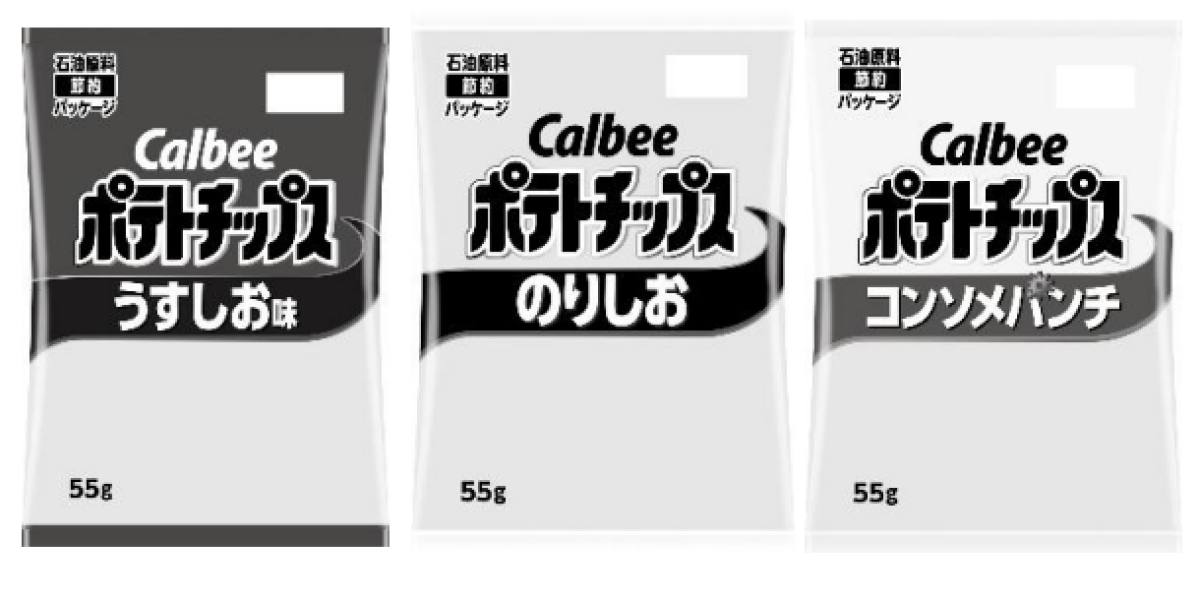
Calbee Switches to Black and White Packaging Amid Iran War Disruptions
Calbee, Japan’s largest snack manufacturer, is transitioning select products to black-and-white packaging starting May 25. The shift stems from severe naphtha shortages and price spikes triggered by the Iran war and the closure of the Strait of Hormuz, threatening the stable supply of petroleum-based printing inks.
This is not a minimalist branding pivot. It is a desperate hedge against margin erosion. When a market leader controlling half of Japan’s snack sector strips the color from its flagship products, it signals a systemic failure in petroleum-based raw material pipelines that threatens the very ability to get goods onto shelves.
The fiscal problem is straightforward: input cost volatility. For a high-volume, low-margin business, the sudden scarcity of a critical solvent like naphtha creates a production bottleneck that no amount of brand loyalty can overcome. Companies are now forced to choose between paying exorbitant premiums for ink or altering their visual identity to maintain volume. For those unable to absorb these costs, the only path forward is consulting with strategic sourcing agencies to diversify their raw material dependencies away from volatile geopolitical zones.
The Naphtha Crunch and Margin Compression
The catalyst for Calbee’s monochromatic shift is the plummeting availability of naphtha, a liquid hydrocarbon mixture derived from petroleum. Naphtha is the invisible engine of the packaging industry, serving as a critical solvent for printing inks and a primary feedstock for plastics. For Japan, the vulnerability is structural. According to data from the Japan Petrochemical Industry Association, the country imports more than 60% of its required naphtha, with a staggering 70% of that supply originating in the Middle East.
The closure of the Strait of Hormuz—a chokepoint through which approximately 20% of global oil flowed prior to the conflict—has effectively severed this artery. The result is a textbook commodity shock. Data from Trading Economics reveals that naphtha prices have surged approximately 60% year-over-year.
In the world of CPG (Consumer Packaged Goods), a 60% spike in a primary raw material doesn’t just eat into the bottom line. it threatens the entire operational flow. If the ink doesn’t arrive, the bags aren’t printed. If the bags aren’t printed, the product stays in the warehouse. Calbee’s decision to move to grayscale for its potato chips, Kappa Ebisen shrimp snacks and Frugra granola mix is a tactical retreat to ensure that “stable supply” takes precedence over aesthetic appeal.
Inventory liquidity is now more valuable than brand vibrancy.
Three Macro Drivers Reshaping the Industry
The “color crunch” is a symptom of a larger macroeconomic realignment. The current crisis reveals three critical vulnerabilities in the global just-in-time manufacturing model:
- Geopolitical Single-Point Failure: The reliance on the Strait of Hormuz has created a binary risk profile for Japanese industry. When the waterway closes, the supply chain doesn’t just slow down—it stops. This has forced a rapid, expensive pivot toward non-Middle Eastern sources.
- Cross-Sector Competition for Feedstock: Naphtha isn’t just for ink; it’s essential for plastics and fertilizers. Printing ink manufacturers are now competing for the same limited barrels of hydrocarbons as agricultural and industrial giants, pushing ink prices to unsustainable levels.
- The Failure of Fragile Diplomacy: The instability is exacerbated by the volatility of international relations. Despite a ceasefire attempted last month between the U.S. And Iran, the agreement is effectively dead. President Trump recently characterized Iran’s latest counterproposal as “garbage,” noting that the ceasefire is “on life support.” This political instability prevents companies from forecasting costs for the next fiscal quarter, making long-term hedging nearly impossible.
As these disruptions persist, mid-cap firms without the treasury depth of a Calbee are finding themselves in a precarious position, often requiring the intervention of supply chain logistics consultants to redesign their entire distribution architecture.
The Corporate Domino Effect
Calbee is the canary in the coal mine. The ripples are already hitting other sectors of the Japanese economy. Hiroyuki Urata, president of food company Itoham Yonekyu, has already signaled that colorful packaging may become an impossibility, suggesting his firm may also adopt black-and-white designs.
The beauty sector is feeling the squeeze even more acutely. Shiseido Co., a global leader in cosmetics, is exploring a fundamental shift in its chemistry, considering the replacement of oil-based materials with plant-derived alternatives. This is a massive operational undertaking that affects everything from moisturizers to makeup.
“We are already optimizing our operations while assuming a worst-case scenario,” said Shiseido CEO Kentaro Fujiwara.
For Shiseido, the move toward plant-based materials is more than a sustainability goal—it is a survival strategy. Transitioning an entire product line’s chemical composition requires immense capital expenditure and a total overhaul of the R&D pipeline. This transition typically involves partnering with sustainable packaging consultants to ensure that plant-based alternatives do not compromise product shelf-life or efficacy.
The Great Pivot to the West
Japan is currently attempting a desperate geographic pivot to stabilize its industrial base. The surge in naphtha prices has triggered a buying spree in the United States. Bloomberg reports that U.S. Exports of naphtha hit an all-time high of 15 million barrels in a single month this past March, driven largely by Japanese desperation.
Prime Minister Sanae Takaichi has confirmed that the government is aggressively broadening its sourcing, with plans to triple naphtha imports from non-Middle Eastern countries, specifically the U.S., to bridge the supply gap. While Deputy Chief Cabinet Secretary Kei Sato told the Financial Times that the government has “not received any reports of immediate supply problems,” the reality on the ground—visible in the monochromatic bags of potato chips—suggests a different story.
The disconnect between government rhetoric and corporate action is a classic hallmark of a developing crisis. While the state maintains that “necessary volumes” are being secured, the private sector is already stripping the color from its products to avoid total stockouts.
The long-term trajectory is clear: the era of cheap, Middle Eastern-dependent hydrocarbons is over. The firms that survive the next twenty-four months will be those that successfully decouple their production from single-point geopolitical failures. Whether through chemical innovation or geographic diversification, the goal is the same: resilience over efficiency.
As the global market enters this era of permanent volatility, finding vetted, high-tier partners is no longer optional—it is a fiduciary requirement. For executives looking to insulate their operations from the next commodity shock, the World Today News Directory remains the definitive resource for connecting with the world’s leading B2B service providers and risk management experts.