
Caffeine’s Impact on Sleep: Younger Brains More Vulnerable, Study Finds
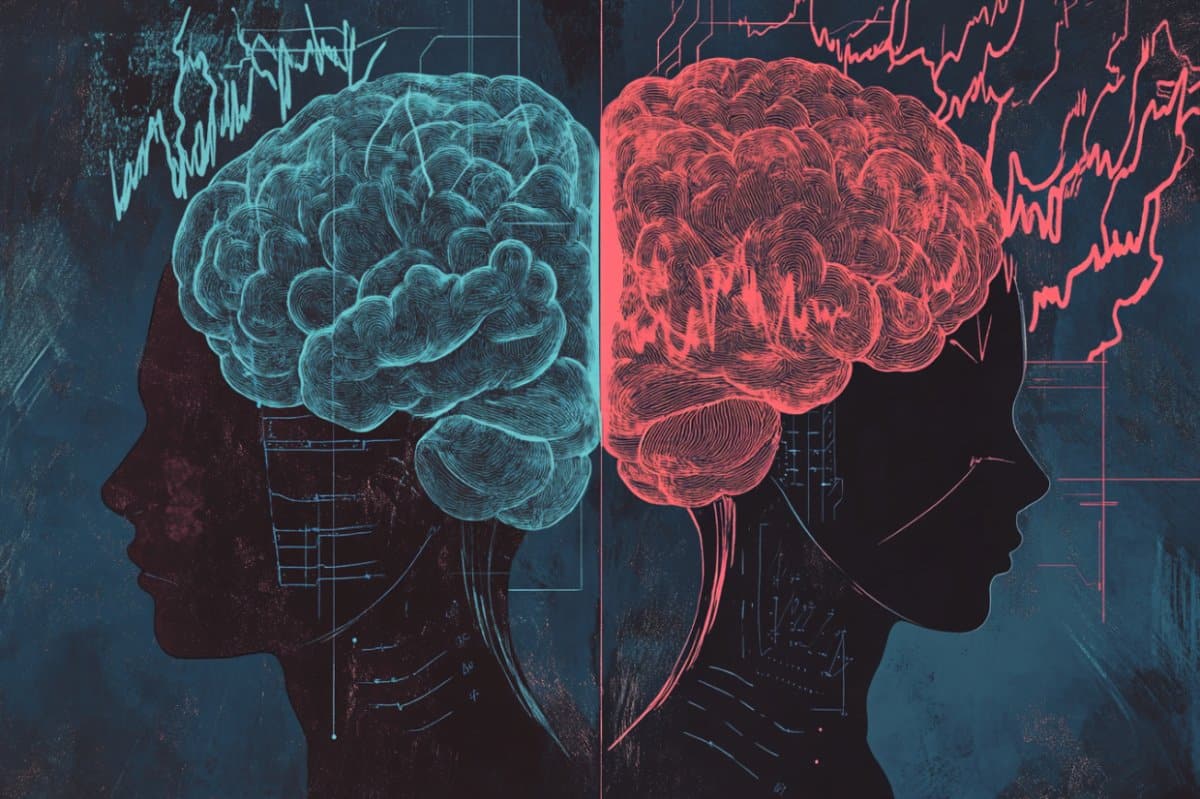
Caffeine, a ubiquitous stimulant found in coffee, tea, chocolate, and energy drinks, significantly alters brain activity during sleep, especially in younger adults, according to a recent study from the Université de Montréal. The research, published in Nature Communications Biology, reveals that caffeine increases the complexity of brain activity, potentially hindering the brain’s ability to recover overnight.
Did you know? Caffeine is one of the most widely consumed psychoactive substances globally. Its effects extend beyond just keeping you awake; it influences the very architecture of your sleep.
Key Findings: A Disrupted Night’s Rest
- Sleep Disruption: Caffeine reduces slow-wave sleep rhythms and increases beta wave activity, keeping the brain in a more alert state.
- Criticality Increase: The stimulant pushes the brain into a higher state of complexity, balancing order and chaos, even during sleep.
- Age Sensitivity: Younger adults, specifically those aged 20-27, experience stronger effects due to a higher density of adenosine receptors.
The Science Behind the Buzz: EEG and AI Analysis
Researchers, led by Philipp Thölke and Karim Jerbi at UdeM’s Cognitive and Computational Neuroscience laboratory (CoCo lab), employed electroencephalography (EEG) and artificial intelligence to analyze the sleep patterns of 40 adults. Participants were given either caffeine capsules or a placebo before bedtime. The team then compared brain activity on both nights.
The results indicated that caffeine increased the complexity of brain signals,reflecting more dynamic and less predictable neuronal activity. The results showed that caffeine increased the complexity of brain signals, reflecting more dynamic and less predictable neuronal activity, especially during the non-rapid eye movement (NREM) phase of sleep that’s crucial for memory consolidation and cognitive recovery,
said Thölke, the study’s first author.
Criticality: A Double-Edged Sword
The study highlights caffeine’s impact on brain “criticality,” a state were brain activity is balanced between order and chaos. karim Jerbi explains:
Criticality describes a state of the brain that is balanced between order and chaos.It’s like an orchestra: too quiet and nothing happens, too chaotic and there’s cacophony. Criticality is the happy medium where brain activity is both organized and flexible. In this state, the brain functions optimally: it can process details efficiently, adapt quickly, learn and make decisions with agility.
Karim Jerbi, Université de Montréal
While criticality is beneficial during waking hours, it can disrupt sleep. Julie Carrier adds:
Caffeine stimulates the brain and pushes it into a state of criticality, where it is indeed more awake, alert and reactive While this is useful during the day for concentration, this state could interfere with rest at night: the brain would neither relax nor recover properly.
Julie Carrier, Université de Montréal
Age Matters: Younger Adults More Susceptible
The study revealed that younger adults (20-27 years old) experienced more pronounced effects from caffeine compared to middle-aged participants (41-58 years old). This difference is attributed to the higher density of adenosine receptors in younger brains. Adenosine, a molecule that promotes sleepiness, is blocked by caffeine.
Adenosine receptors naturally decrease with age, reducing caffeine’s ability to block them and improve brain complexity, which may partly explain the reduced effect of caffeine observed in middle-aged participants,
Carrier noted.
Pro Tip: If your in your 20s and struggling with sleep, consider reducing your caffeine intake, especially in the afternoon and evening. Your brain might be more sensitive to its effects than you realise.
Implications and Future Research
Given the widespread use of caffeine, understanding its effects on brain activity across different age groups is crucial. Researchers emphasize the need for further investigation to clarify how these neural changes impact cognitive health and daily functioning. This could lead to personalized recommendations for caffeine intake.
