Bat Coronaviruses Use Human Receptor CEACAM6 to Infect Cells – Novel Study Raises Spillover Concerns
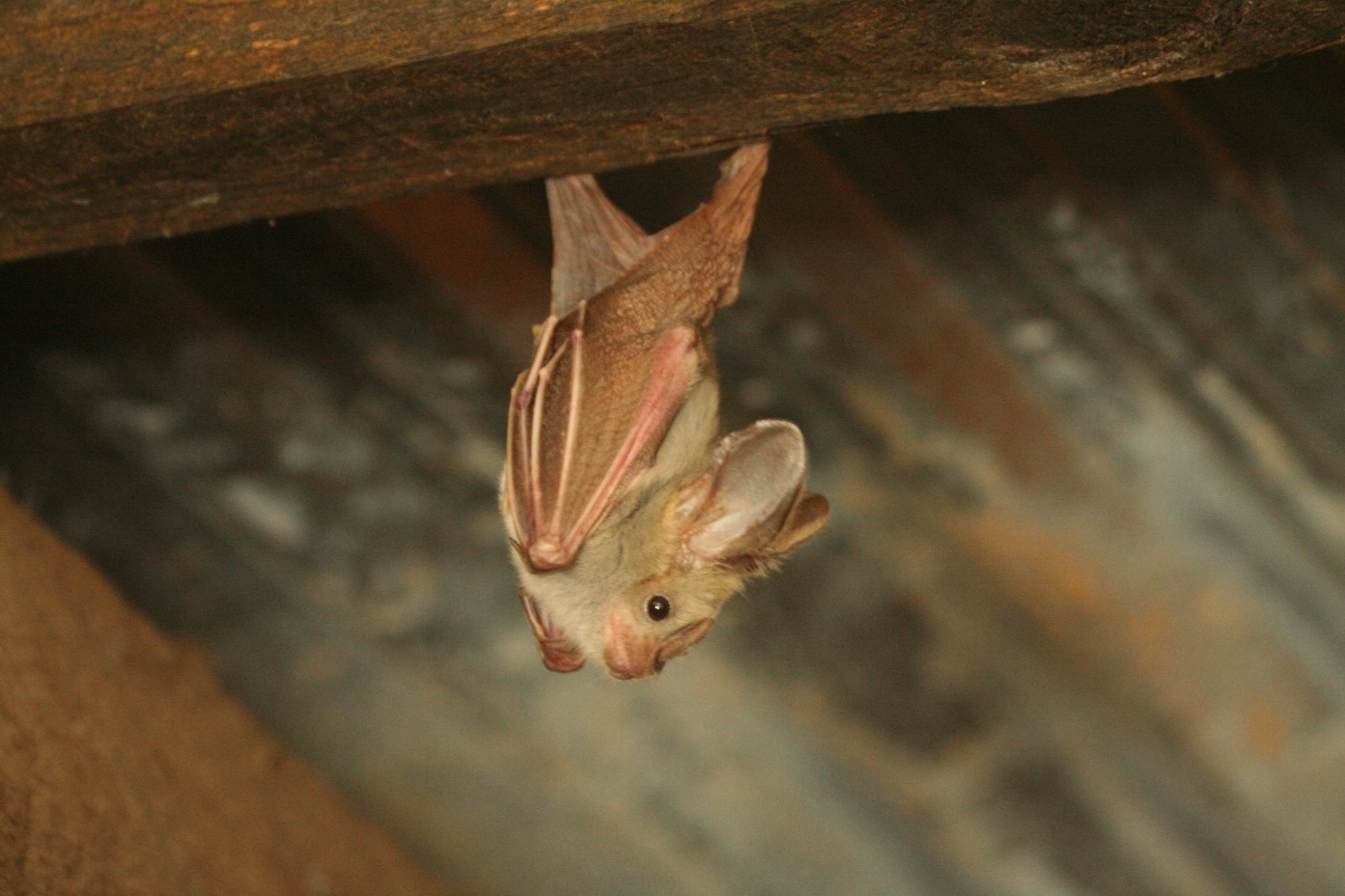
Kenyan Bat Coronavirus Utilizes Human CEACAM6 for Cellular Entry, Signaling Zoonotic Spillover Risk
Recent research reveals that a novel alphacoronavirus isolated from Kenyan bats employs the human carcinoembryonic antigen-related cell adhesion molecule 6 (CEACAM6) as a receptor to gain entry into human respiratory and intestinal epithelial cells, raising significant concerns about potential zoonotic spillover. This mechanism mirrors that of certain known human pathogens, suggesting the virus possesses intrinsic capacity for cross-species transmission without requiring extensive adaptation. The finding underscores the persistent threat posed by wildlife reservoirs in East Africa, where close human-wildlife interaction increases opportunities for viral emergence. As global surveillance intensifies following the SARS-CoV-2 pandemic, such discoveries highlight critical gaps in our understanding of coronavirus diversity and host-range plasticity.
Key Clinical Takeaways:
- The Kenyan bat coronavirus uses human CEACAM6—a molecule likewise exploited by pathogens like Neisseria gonorrhoeae and some coronaviruses—to infect human cells in laboratory models.
- This receptor usage implies a pre-existing capacity for human infection, eliminating a major barrier to spillover and necessitating enhanced monitoring in endemic regions.
- Even as no human cases have been detected, the virus’s genetic flexibility and tissue tropism warrant inclusion in pandemic preparedness frameworks, particularly for diagnostics targeting CEACAM6-utilizing viruses.
The study, published in Nature Communications and led by researchers at the University of Helsinki in collaboration with the Kenya Medical Research Institute (KEMRI), demonstrated that the virus’s spike protein binds directly to CEACAM6 with high affinity, facilitating membrane fusion and viral internalization. Using pseudotyped virus assays and CRISPR-edited cell lines, the team confirmed that blocking CEACAM6 with monoclonal antibodies reduced infection by over 90% in human airway epithelial cultures. Notably, the virus also utilized CEACAM6 homologs from other primates, suggesting a broad host range potential. Structural analysis revealed that the receptor-binding motif in the spike protein shares key physicochemical features with those of HCoV-229E, a common cold coronavirus known to use human aminopeptidase N, indicating convergent evolution in receptor exploitation strategies.
Funding for this research was provided by the Academy of Finland (Grant No. 328891), the European Research Council under the Horizon 2020 program (ERC StG No. 758132), and the UK Foreign, Commonwealth & Development Office’s Global Challenges Research Fund. The lead investigator, Dr. Kalle Vapalahti, Professor of Virology at the University of Helsinki, emphasized the importance of proactive surveillance:
“We are not predicting an imminent outbreak, but we are identifying a virus with the molecular tools to infect humans. Ignoring such signals because no spillover has occurred yet is akin to ignoring a fault line because no earthquake has struck—it misses the point of prevention.”
Echoing this sentiment, Dr. Moses Masika, a virologist at KEMRI and co-author on the study, noted regional implications:
“In East Africa, where bat guano is used in farming and caves are sites of cultural gathering, even low-probability spillover events carry high consequence. Strengthening diagnostic capacity at the community level is not optional—It’s essential.”

These findings align with broader trends in coronavirus ecology. A 2023 meta-analysis in PLOS Pathogens found that over 40% of bat-borne alphacoronaviruses tested showed capacity to use human cell receptors in vitro, with CEACAM6 and aminopeptidase N being among the most frequently exploited. Historical precedents include the emergence of SARS-CoV-1, which used ACE2—a receptor also present in bats—and MERS-CoV, which utilizes DPP4. Unlike those viruses, though, the Kenyan bat coronavirus does not appear to require proteolytic priming by TMPRSS2 for entry, potentially enabling infection in a wider range of tissue types. This characteristic, combined with its stability in aerosol form observed in environmental simulations, raises questions about transmissibility routes that warrant further investigation under biosafety level 3 conditions.
From a public health standpoint, the absence of detected human infections does not equate to absence of risk. Serosurveillance in populations with high bat exposure—such as guano miners in Kenya’s Mount Elgon region or cave tour guides in Uganda—has remained limited due to resource constraints and competing health priorities. Implementing targeted screening using CEACAM6-blocking neutralization assays could fill this gap, particularly if deployed alongside existing influenza and RSV surveillance networks. For individuals presenting with unexplained atypical pneumonia or gastrointestinal symptoms in endemic zones, timely referral to specialized infectious disease units is critical. Patients in such circumstances should seek evaluation from vetted board-certified infectious disease specialists capable of managing complex zoonotic differentials and coordinating with public health authorities.
Beyond clinical vigilance, the discovery has implications for diagnostic developers and vaccine researchers. Current pan-coronavirus PCR assays often fail to detect highly divergent alphacoronaviruses due to primer mismatches in conserved regions. Leveraging knowledge of CEACAM6 utilization, next-generation assays could incorporate functional readouts—such as receptor blockade or spike protein binding—to complement nucleic acid detection. This approach mirrors strategies used in HIV research, where co-receptor usage (CCR5/CXCR4) informs both pathogenesis and therapeutic design. Institutions developing such tools may benefit from consultation with CLIA-certified diagnostic laboratories experienced in validating novel viral assays under FDA Emergency Use Authorization pathways.
Looking ahead, the virus serves as a reminder that pandemic threats emerge not only from known high-risk families like betacoronaviruses but also from overlooked branches of the virosphere. While gain-of-function research remains controversial, basic science into receptor usage—conducted under rigorous biosafety and ethical oversight—provides actionable intelligence for preparedness. As Dr. Vapalahti concluded in a recent WHO technical briefing:
“Preparedness is not about predicting the exact virus that will emerge. It’s about understanding the rules viruses use to jump species—and building defenses that work regardless of the player.”
Strengthening those defenses requires investment in global viromics, equitable access to sequencing capacity, and sustained funding for one-health initiatives that bridge human, animal, and environmental health.
Disclaimer: The information provided in this article is for educational and scientific communication purposes only and does not constitute medical advice. Always consult with a qualified healthcare provider regarding any medical condition, diagnosis, or treatment plan.