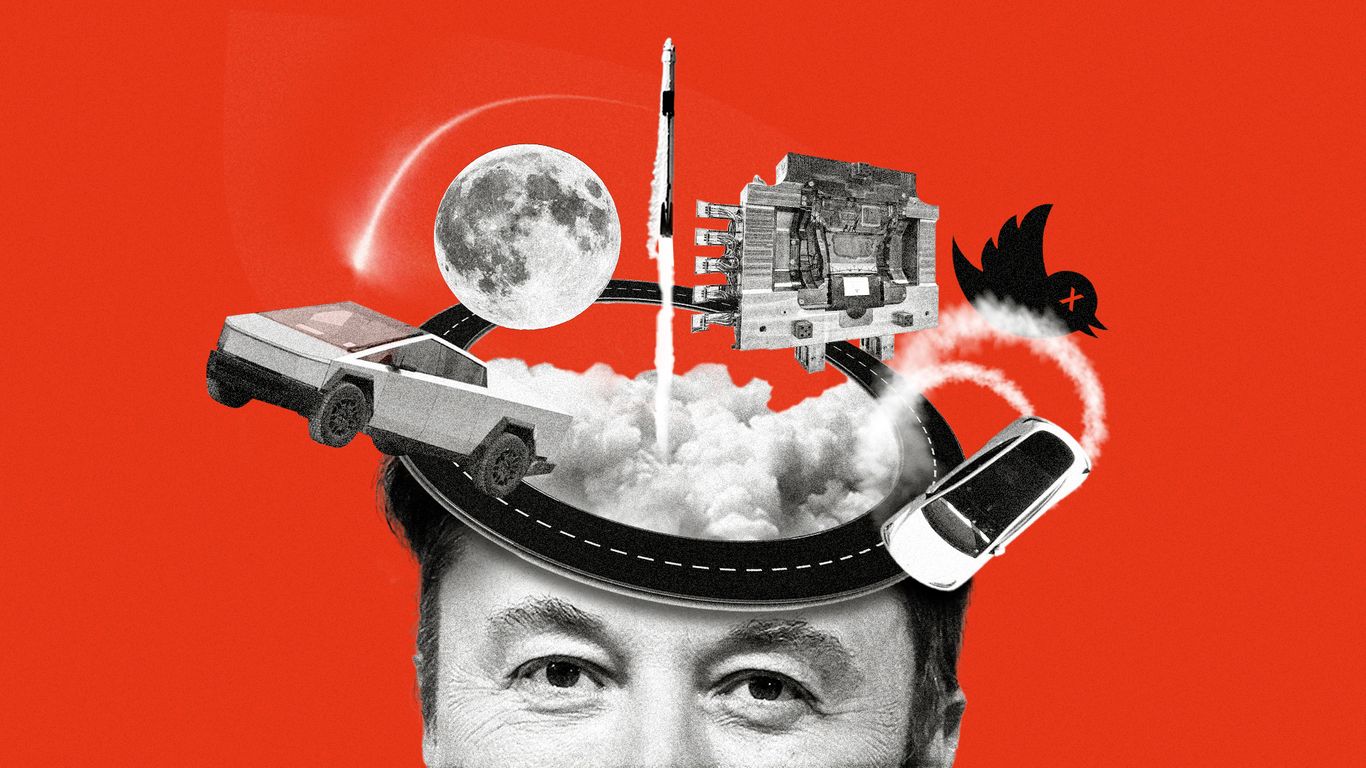
Barclays Analysts: AI Could Drive Tesla-SpaceX Merger as Early as This Fall
A potential merger between Tesla and SpaceX could be announced as early as late October or early November, according to a report from Barclays analysts led by Dan Levy. The proposal, which would vertically integrate Tesla’s robotics and autonomous vehicle platforms with SpaceX’s proprietary AI models, hinges on an aggressive timeline to secure shareholder approval before Tesla’s annual meeting, now expected no later than December 6. Axios reported the development Wednesday, noting that artificial intelligence is the primary catalyst for the consolidation.
The Tech TL;DR:
- Strategic AI Integration: A merger would unify Tesla’s physical robotics and robotaxi data with SpaceX’s software stack, aiming to streamline the development of large-scale AI projects.
- Governance of Terafab: The deal would centralize oversight of Terafab, the massive chip manufacturing initiative designed to address the immense compute requirements of both firms.
- Shareholder Hurdles: Approval remains the primary risk, as Tesla shareholders must weigh potential synergies against the complexities of combining two distinct, high-valuation entities.
The AI-Driven Logic for Vertical Integration
The core rationale identified by Barclays centers on the technical convergence of AI development across Elon Musk’s enterprises. By merging the two firms, the combined entity would gain unified control over the hardware-software feedback loop essential for humanoid robotics and autonomous systems. Currently, separate board structures at Tesla and SpaceX create latency in decision-making regarding shared resources, specifically the Terafab chip project. This initiative is critical for meeting the long-term compute demand required for training advanced neural networks at scale.
The technical architecture relies on high-throughput data processing. To maintain a competitive edge in model training, engineers require low-latency access to GPU clusters and specialized silicon. SpaceX already maintains significant, albeit distinct, business ties with Tesla, including the procurement of utility-scale battery systems for xAI and significant investment in Cybertruck fleets. A merger would transition these separate contractual relationships into a single, internal infrastructure, potentially reducing overhead in continuous integration pipelines.
Musk Would Gain Majority Voting Power in Combined Entity
The Barclays analysts outline a likely structure where SpaceX would acquire Tesla entirely, with Tesla shareholders receiving equity in the combined company. At current market valuations—estimated at roughly $2.1 trillion for SpaceX and $1.5 trillion for Tesla—this implies an exchange ratio near 0.7. Such a deal would grant Elon Musk approximately 37% ownership and 56% of total voting power, effectively consolidating his influence over the combined entity’s robotics and AI strategy. This level of control mirrors the authority he currently exercises at SpaceX, which he has long sought to replicate for Tesla’s AI development roadmap.
# Simplified API Logic: Governance Synchronization
# Current state: Separate boards for Tesla and SpaceX
# Future state: Unified Terafab resource allocation

def reconcile_resource_allocation(project_id="Terafab"):
    if board_alignment == "MERGED":
        return "Global Compute Priority: High"
    else:
        return "Latency: Governance Bottleneck Detected"
Merger Timeline Depends on Annual Meeting or Trump Administration
The analysts present two distinct paths for a transaction. The first, an announcement by early November, aims to place the merger on the ballot for Tesla’s annual meeting by December 6. If this window closes, the timeline shifts to a six-to-twelve-month horizon, explicitly targeting the Trump administration. Barclays suggests that a change in federal regulatory oversight could provide a more favorable environment for a deal of this magnitude.

Market confidence remains split regarding these timelines. Prediction markets on Polymarket suggest a 24% probability of a merger before year-end, while platforms like Kalshi indicate a 52% chance of completion by May 2027. Despite the skepticism from traders, SpaceX President Gwynne Shotwell acknowledged as early as June 12 that there are clear synergies between the companies, refusing to rule out a future combination.
Execution Risks for Enterprise IT
For shareholders and enterprise stakeholders, the merger introduces significant volatility. Beyond the financial implications, the integration of two massive, distinct IT environments presents a complex, high-stakes cybersecurity and data architecture challenge.
Whether this merger proceeds depends on the outcome of shareholder votes and the ability of the firms to demonstrate tangible value beyond the current AI hype. The question remains whether the consolidation of Terafab and AI platforms can overcome the inherent friction of merging two of the world’s most complex technical organizations. As of now, the decision rests on the timeline set by the upcoming shareholder meeting and the willingness of investors to back a unified, AI-centric enterprise.
Disclaimer: The technical analyses and security protocols detailed in this article are for informational purposes only. Always consult with certified IT and cybersecurity professionals before altering enterprise networks or handling sensitive data.