AUKUS Developments: Key Updates and Reactions
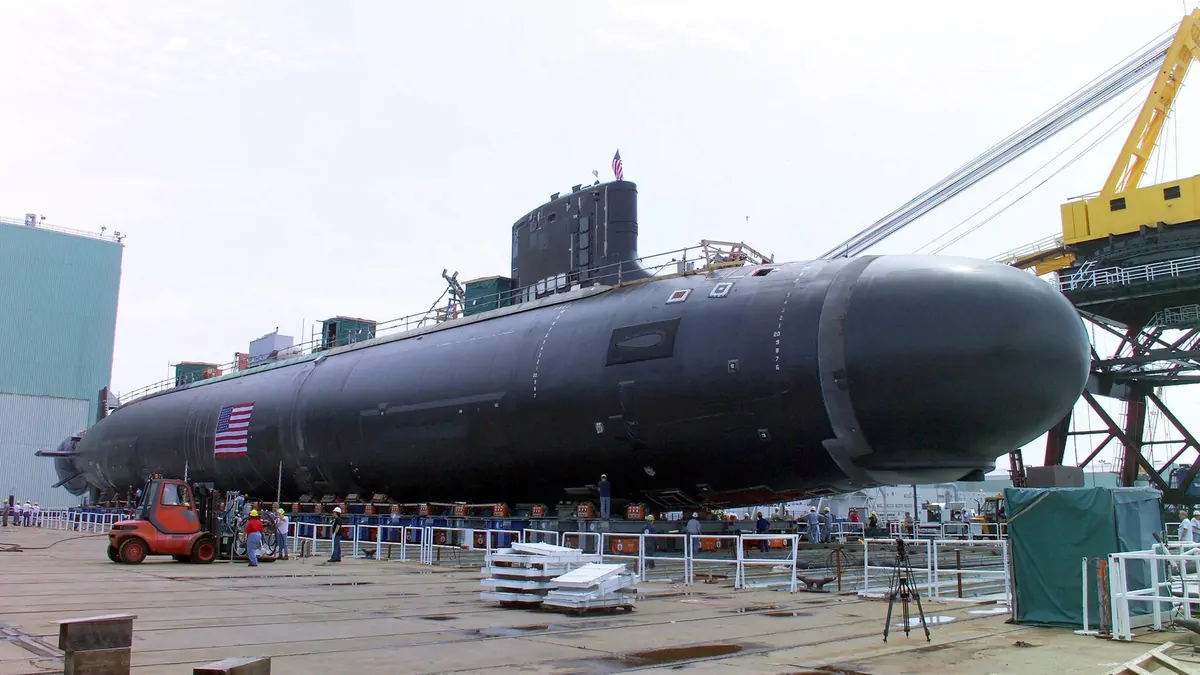
A United States Marine captain has publicly challenged the viability of the AUKUS security pact, arguing that the trilateral agreement between Australia, the United Kingdom, and the United States faces significant operational and structural hurdles. The critique, which highlights concerns over the feasibility of the current submarine acquisition timeline, has intensified internal debate regarding the necessity of a secondary contingency plan for the partnership. The AUKUS agreement, which centers on the delivery of nuclear-powered attack submarines to Australia, is currently navigating complex logistical and industrial requirements. As these requirements take shape, some Australian policymakers have begun calling for the development of a formal “plan B” to ensure national security objectives are met should the primary pathway experience delays. Industrial alignment is simultaneously shifting to accommodate the partnership’s technological goals. Lockheed Martin has officially been designated as a strategic partner under the AUKUS framework. This move follows the launch of Marstra, an Australian-based entity established to accelerate the development of sovereign industrial capabilities. These developments are intended to address the specific technological demands of Pillar 2 of the agreement, which encompasses advancements in artificial intelligence, quantum technologies, and undersea capabilities. The geographic distribution of the partnership’s industrial footprint has also become a point of contention. Recent internal assessments confirmed that approximately 100 high-tech positions originally slated for Western Australia will be relocated to Adelaide. The shift is tied to the consolidation of submarine construction and maintenance activities in South Australia, which serves as the primary hub for the nation’s naval shipbuilding industry. Despite the ongoing industrial mobilization, the partnership faces persistent scrutiny regarding its long-term implementation. Proponents maintain that the focus remains on enhancing regional stability and bolstering the collective defense capabilities of the three nations. However, the emergence of vocal opposition from military personnel and the push for alternative strategies suggest that the diplomatic and logistical framework of AUKUS remains subject to ongoing adjustment. Government officials in Canberra and Washington continue to maintain that the current trajectory for the submarine program remains the primary objective. No formal revisions to the existing implementation schedule have been announced.