Assessing the Risks and Hidden Costs of a U.S.-Iran Strait of Hormuz Agreement
As the United States and Iran near an interim agreement to reopen the Strait of Hormuz to commercial shipping, geopolitical analysts warn of substantial unseen costs, including potential compromises to the international sanctions regime, broader regional precedents, and long-term security implications for global energy markets.
The Operational Pause and the Reality of Coercive Restraint
Negotiators are working toward an arrangement to re-implement a ceasefire and restart diplomatic channels aimed at curbing Iran’s nuclear ambitions. According to Norman Roule, former National Intelligence Manager for Iran at the Office of the Director of National Intelligence (ODNI), the current environment does not represent a core diplomatic breakthrough.
Instead, the situation reflects an operational pause characterized by coercive restraint. While the U.S. military maintains immense regional assets and operational capabilities, the administration has chosen to exercise restraint to give diplomacy an opening. However, a wide gap remains between how each side describes the ongoing talks. Official U.S. announcements of negotiations are frequently met with outright denials from Iranian authorities, even as indirect talks proceed through regional intermediaries.
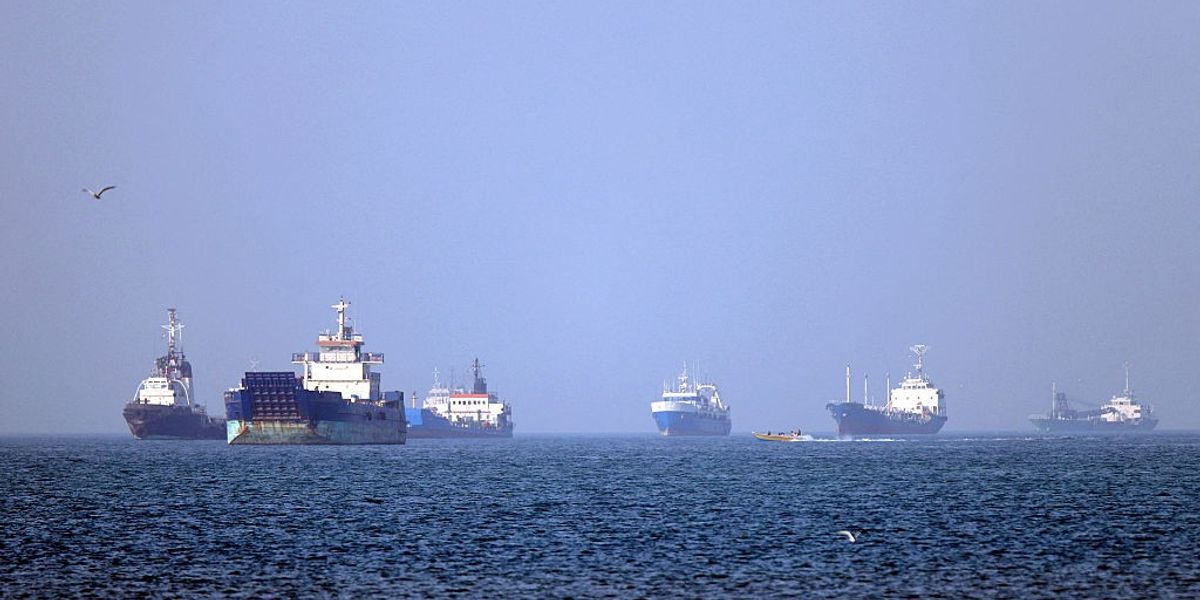
This dynamic grants Tehran significant leverage over the pace and conditions of maritime transit. Press reports indicate that roughly five million barrels of oil per day are moving through the strait, which helps stabilize global energy markets. Yet, the waterway remains highly volatile, insurance rates stay elevated, and the underlying blockade conditions have not been fully dismantled.
Evaluating the Proposed Transit Fees and Sanctions Vulnerabilities
A central point of contention in the current diplomatic framework involves potential transit fees or tolls for vessels passing through the Strait of Hormuz. Before the conflict, no such fees existed. Introducing them under an interim accord creates severe legal and economic complications.
If Iran gains formal or informal control over transit rights, fundamental questions arise regarding international compliance. Sanctions packages imposed by the United States have long served as a primary diplomatic tool to check Iranian activities. Permitting commercial entities—or allied nations—to pay fees directly to Tehran threatens to fracture this enforcement structure.
Furthermore, regional partners face difficult choices regarding vessel clearance. Reports suggest that Omani mechanisms require notification of transiting vessels, while Iran’s parliament maintains restrictions against designated adversary nations. This leaves the status of Israeli-affiliated ships and international cargo fleets in a precarious gray area.
Navigating these complex international regulations and compliance frameworks requires robust legal oversight.
Regional Security Dynamics and the Role of Gulf Partners
The defense architectures of the Gulf states have played a decisive role in protecting regional infrastructure, civilian populations, and international commercial flows. Years of continuous cooperation with the United States and private-sector defense contractors have enabled the Gulf Cooperation Council (GCC) to intercept incoming aerial threats with high precision.
At the same time, military cooperation has deepened. Saudi forces have executed surgical strikes against Houthi aggression and coordinated with U.S. assets in regional operations. These actions demonstrate high tactical capability, but they also underscore the profound risks should hostilities resume.
Regional leaders understand the neighborhood intimately. Their recent diplomatic interventions with Washington reflect a calculated effort to balance defensive necessity against the catastrophic fallout of a wider missile and drone conflict.
Cyber Threats and the Expanding Scope of Asymmetric Conflict
Beyond traditional naval blockades, the conflict encompasses persistent cyber threats targeting critical infrastructure. Reports linking Iranian cyber operations to intrusions against domestic municipal systems, such as water facilities in Minnesota, highlight the vulnerability of domestic utilities.
While national cyber defenses and allied architectures have successfully intercepted many of these attacks, the persistence of these probes challenges traditional deterrence models. A failure to mount a proportional and visible response to infrastructure targeting risks signaling impunity in Tehran.
Ultimately, the push for a diplomatic resolution in the Strait of Hormuz must account for the long-term strategic balance. Granting Tehran permanent leverage over critical maritime corridors risks institutionalizing a dangerous precedent, leaving international commerce to bear the unseen toll of an unresolved geopolitical standoff.