AIGF unveils five-point strategic roadmap for telecommunications
On September 28, 2026, the Ivorian Agency for Radio Frequency Management (AIGF) concluded its second Radiocommunications Forum in Port-Bouët, southern Abidjan, unveiling a five-point strategic roadmap to overhaul frequency management, streamline administrative bottlenecks, and expand public health monitoring regarding electromagnetic wave exposure.
Strategic Roadmap Formulated at Port-Bouët Forum
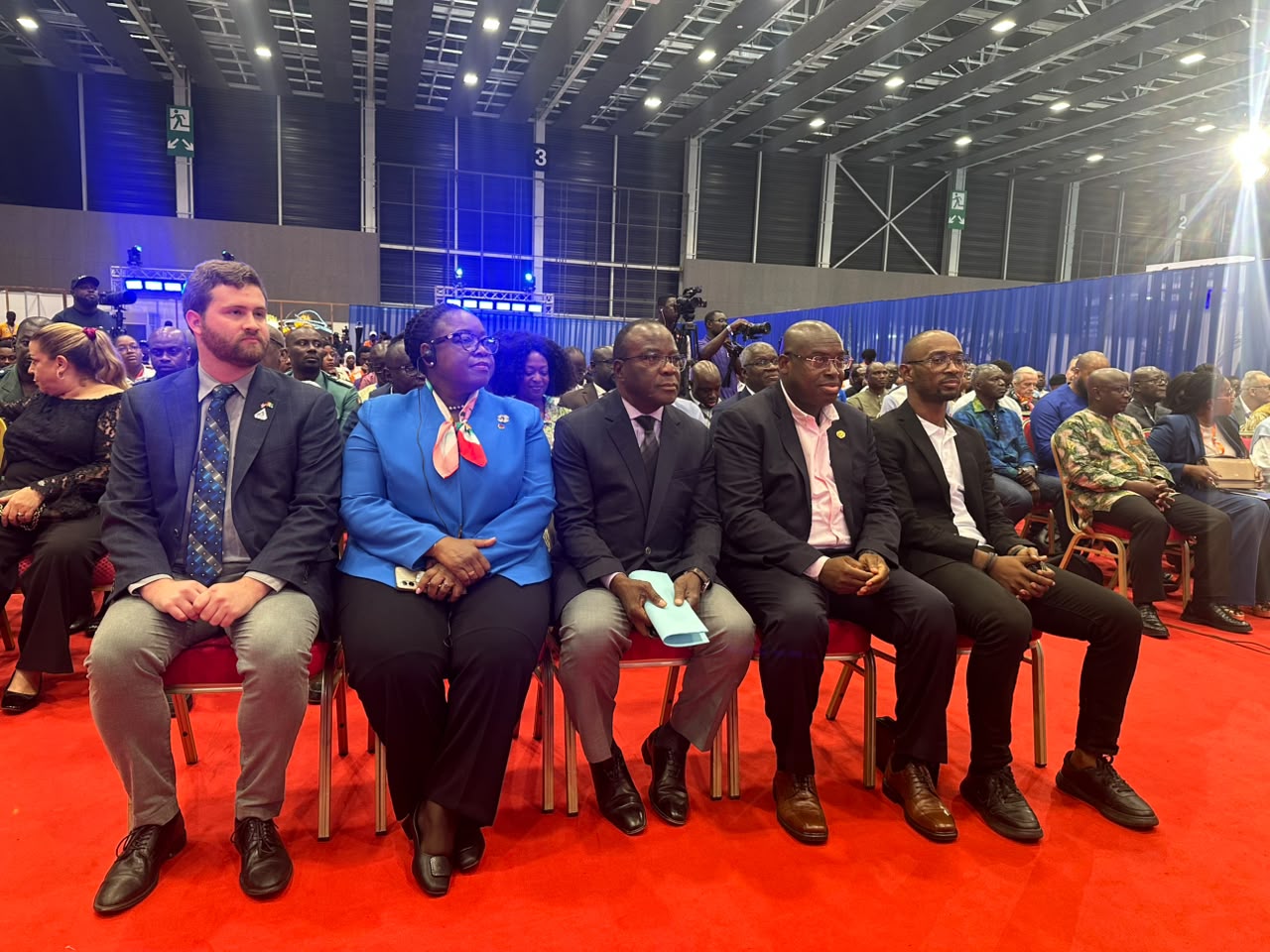
The second edition of the Radiocommunications Forum wrapped up this Saturday after three days of intensive discussions held alongside the Africa Space Expo (Aspex). Organized to tackle pressing challenges in radioelectric and satellite frequency coordination, the event brought together operators, students, experts, and decision-makers to establish clear regulatory pathways. The concluding panel mapped out a definitive strategy to eliminate land, community, and administrative barriers currently slowing down the agency’s operational capacity.
At the center of this new framework is the implementation of five core priorities. These include consensus-driven spectrum planning, structured cooperation with private operators and assigned frequency holders, and the creation of a permanent working group connecting public telecommunication institutions with municipal and local authorities. The initiative also establishes continuous monitoring protocols for electromagnetic wave exposure alongside a coordinated alert threshold. Broad communication campaigns involving local radio networks, epidemiologists, and decision-makers are scheduled to roll out to ensure public transparency.
Synergy Between Terrestrial Networks and Space Infrastructure
Highlighting the convergence of modern communication layers, Tidiane Ouattara, director of the Côte d’Ivoire Space Agency, emphasized the vital relationship between satellite assets and terrestrial systems during the concurrent events. As noted by Ouattara, satellites, frequency spectrums, and ground networks now constitute a single, unified ecosystem that no single nation can manage in isolation.
Stanislas Kanvoli, director of legal affairs at the ministry charged with Digital Transition and a panel moderator at the forum, outlined a firm timeline for the execution of these goals, expressing an expectation that the identified regulatory hurdles will be concretely resolved by the next iteration of the forum. Concurrently, AIGF Director General Yacouba Coulibaly announced immediate outreach initiatives, including specialized educational programs directed at students and the rollout of the nationwide “AIGF Tour” campaign to strengthen direct engagement with local populations.
Addressing Structural Hurdles in Regional Telecommunications
As regulatory bodies across West Africa adapt to the rapid integration of advanced mobile networks and satellite communication technologies, institutional frameworks face increasing pressure to modernize.

The strategic alignment between the AIGF and regional space initiatives reflects a broader regional push to harmonize frequency distribution. By bridging municipal jurisdictions and national oversight bodies, the newly validated roadmap seeks to eliminate bureaucratic delays that traditionally stall large-scale infrastructure rollouts.