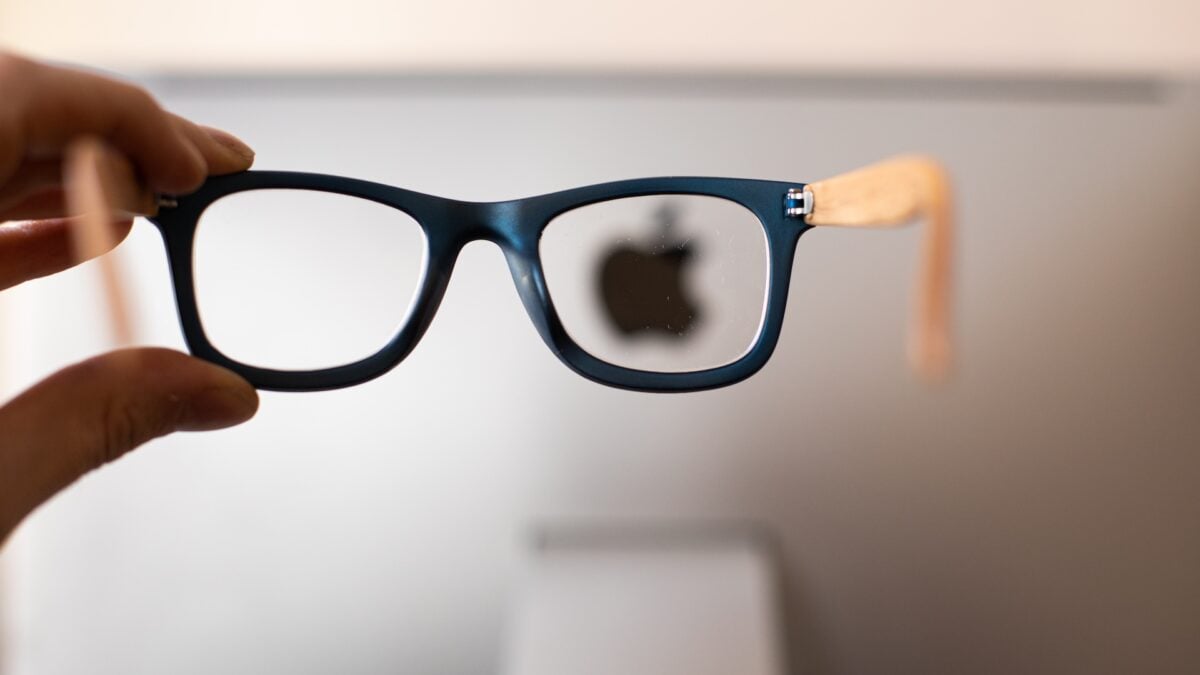
Apple Glasses: Siri-Powered Smart Eyewear in Multiple Styles
Apple is pivoting. After the Vision Pro attempted to force-feed us immersive spatial computing, the strategy has shifted toward a more pragmatic, voice-first wearable. Reports now indicate a push for smart glasses targeting a 2026-2027 deployment, stripping away the bulk in favor of daily utility.
The Tech TL;DR:
- Hardware Pivot: Shifting from immersive AR headsets to lightweight (<50g) frames focusing on audio, voice, and “Visual Intelligence” rather than full 3D displays.
- Timeline & Cost: Announcement expected later in 2026, with a wider release window in 2027; pricing estimated between $499 and $1,000.
- Ecosystem Integration: Deep iPhone pairing to offload compute, utilizing an upgraded Siri 2.0 for real-time translation and object recognition.
The fundamental bottleneck for wearables has always been the thermal-battery-weight triad. You cannot put a high-performance NPU and a meaningful battery into a frame without it looking like a piece of industrial equipment. By prioritizing voice and audio functionality over integrated AR displays—which are now rumored for a delayed 2028 rollout—Apple is essentially admitting that the current power density of lithium-ion cells cannot support a sleek, all-day wearable with a persistent HUD.
Hardware Constraints: The Sub-50 Gram Challenge
According to reports from TechTimes and other leaks, the first generation of Apple Glasses will target a weight of under 50 grams. To achieve this, the architecture relies on a mix of titanium, aluminum, and durable plastics. This isn’t just about aesthetics; titanium provides the structural integrity needed to house cameras, microphones, and chips without adding the mass that causes nasal bridge fatigue during eight-hour wear cycles.

The design includes touch-sensitive stems for haptic control and potential eye-tracking capabilities to provide context-aware interactions. Still, the real heavy lifting occurs off-device. By treating the glasses as a peripheral to the iPhone, Apple minimizes the on-board SoC requirements, reducing heat dissipation issues that plagued earlier AR attempts. For enterprise environments, this shift introduces new endpoints that must be managed. IT departments will need to ensure these devices comply with existing cybersecurity auditors and penetration testers to prevent unauthorized data exfiltration via the integrated cameras.
The Tech Stack & Alternatives Matrix
Apple is positioning these glasses as a direct competitor to the Meta Ray-Bans. While Meta has already captured the “camera-on-your-face” market, Apple’s play is the integration of “Visual Intelligence”—a suite of AI-powered object recognition and real-time translation tools that leverage the iPhone’s neural engine.
Apple Glasses vs. Meta Ray-Bans: Architectural Comparison
| Feature | Apple Glasses (Reported) | Meta Ray-Bans |
|---|---|---|
| Primary Interface | Siri 2.0 / Voice-First | Meta AI / Voice |
| Display | None (Gen 1) / AR (2028) | None |
| Frame Material | Titanium / Aluminum | Acetate / Plastic |
| Weight | <50g | Standard Eyewear Weight |
| Integration | Deep iPhone Ecosystem | Meta App / Smartphone |
| Price Point | $499 – $1,000 | Lower Entry Point |
The strategic omission of a display in the 2026 version is a calculated move to refine the LLM-driven voice interactions. If Siri 2.0 cannot handle contextual assistance with zero latency, a display is just a distraction. This reliance on cloud-to-edge compute means that network latency becomes the primary UX killer. Developers looking to integrate with such ecosystems should be studying the latest Apple Developer Documentation to understand how Core ML handles on-device inference versus cloud offloading.
Implementation Mandate: Interfacing with Visual Intelligence
While the official API is not yet public, the “Visual Intelligence” workflow likely follows a standard request-response pattern where the glasses capture a frame, the iPhone processes the image via an NPU, and the result is returned via audio. A hypothetical cURL request to a Visual Intelligence endpoint for object recognition might look like this:
curl -X POST https://api.apple.com/visual-intelligence/v1/analyze -H "Authorization: Bearer [ACCESS_TOKEN]" -H "Content-Type: application/json" -d '{ "device_id": "apple_glasses_001", "image_payload": "base64_encoded_frame_data", "context": "real_time_translation", "target_language": "jp" }'For developers, the challenge will be optimizing the payload size to reduce latency. If the image data is too heavy, the “real-time” aspect of the translation fails. What we have is where GitHub open-source projects focusing on image compression and edge computing grow critical for third-party app developers hoping to build on this platform.
Privacy, Security, and the Enterprise Blast Radius
The integration of cameras and microphones into a lightweight, fashion-forward frame creates a significant privacy friction point. Apple is emphasizing privacy in its design, but from a security perspective, every wearable is a potential endpoint for a man-in-the-middle (MITM) attack. When these devices enter the corporate workspace, the attack surface expands.
Corporations will likely require managed service providers (MSPs) to implement strict MDM (Mobile Device Management) policies to disable cameras in sensitive areas. The risk isn’t just corporate espionage, but the potential for these devices to bypass traditional security checkpoints. As we move toward a world of “heads-up intelligence,” the boundary between personal productivity and corporate surveillance blurs.
the maintenance of titanium frames and specialized optics will move beyond simple software updates. We expect a surge in demand for specialized consumer repair shops capable of handling high-precision wearable hardware without compromising the water-resistance or structural integrity of the frames.
Apple’s pivot to a voice-first wearable is a concession to the laws of physics. By stripping away the AR display, they are betting that AI-driven audio assistance is the actual “killer app” for the face. Whether this is a masterstroke of pragmatism or a retreat from the Vision Pro’s ambition remains to be seen, but the move toward a 2026/2027 launch suggests that the software stack is finally catching up to the hardware vision.
Disclaimer: The technical analyses and security protocols detailed in this article are for informational purposes only. Always consult with certified IT and cybersecurity professionals before altering enterprise networks or handling sensitive data.