Salvation Army and Uber Partner to Remove Job Transport Barriers
The Salvation Army and Uber have launched a partnership to remove transportation barriers for job seekers.
The initiative provides resources including free rides to job interviews and funding for driving lessons, according to the Salvation Army.
“No one should miss out on a job because they can’t get to it. We’re delighted to be working with The Salvation Army to change this. From offering free rides to interviews to funding driving lessons for jobseekers, we’re really hopeful that our work together will make a meaningful difference to people who are looking for their next career opportunity,” said Andrew Brem, Uber UK General Manager.
For participants, the support addresses specific challenges related to mobility and employment. Dorcas, a resident of Birmingham who has disabilities, used a free Uber ride to reach a job interview.
She said: “The Salvation Army being able to offer Uber rides is something so positive. As a person with disabilities, it allowed me to be treated the same as any other able-bodied candidate and ensured I didn’t miss my interview. It removed the inconvenience and a lot of the stress. It was an important part of my whole journey, from application through to preparation.”
The Salvation Army traces its origins to 1865, when William and Catherine Booth founded the East London Christian Mission to bring practical and spiritual help to the poor. It adopted its current name and quasi‑military structure in 1878, with Booth as its first General.
Today it reports a worldwide membership of over 1.7 million and operates in 133 countries, running shelters, charity shops and disaster relief programmes. In the United Kingdom it remains a significant provider of social services, while in the United States it is the largest non‑government supplier of such services, with expenditures of US$3.6 billion in 2022.
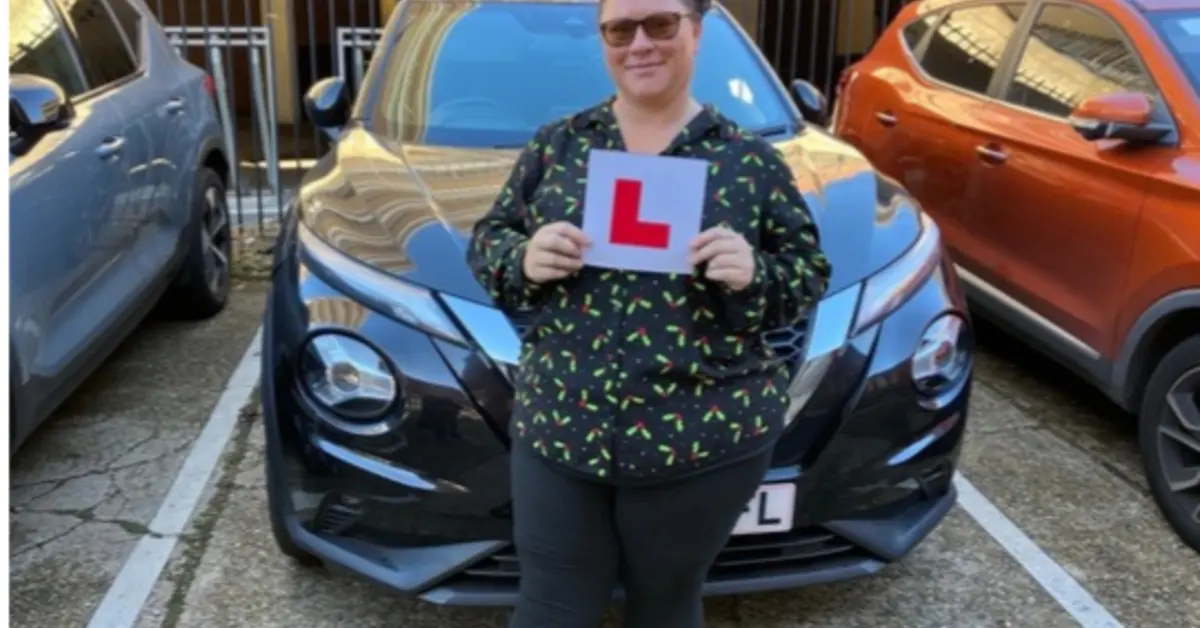
The partnership also funds driving courses to help individuals access new employment sectors. Tracy, a single mother from Dagenham, is among the first to receive support for driving lessons. She said that relying on public transport has previously limited her job opportunities and the time required to travel.
She said: “Being selected for a series of fully funded driving courses came as a complete surprise; I never expected to be given this chance. Learning to drive will transform my life and my children’s lives, unlocking new possibilities and enabling me to seek part-time employment. "I would love to work in the community as a carer and being able to get to people’s homes myself will make a huge difference."