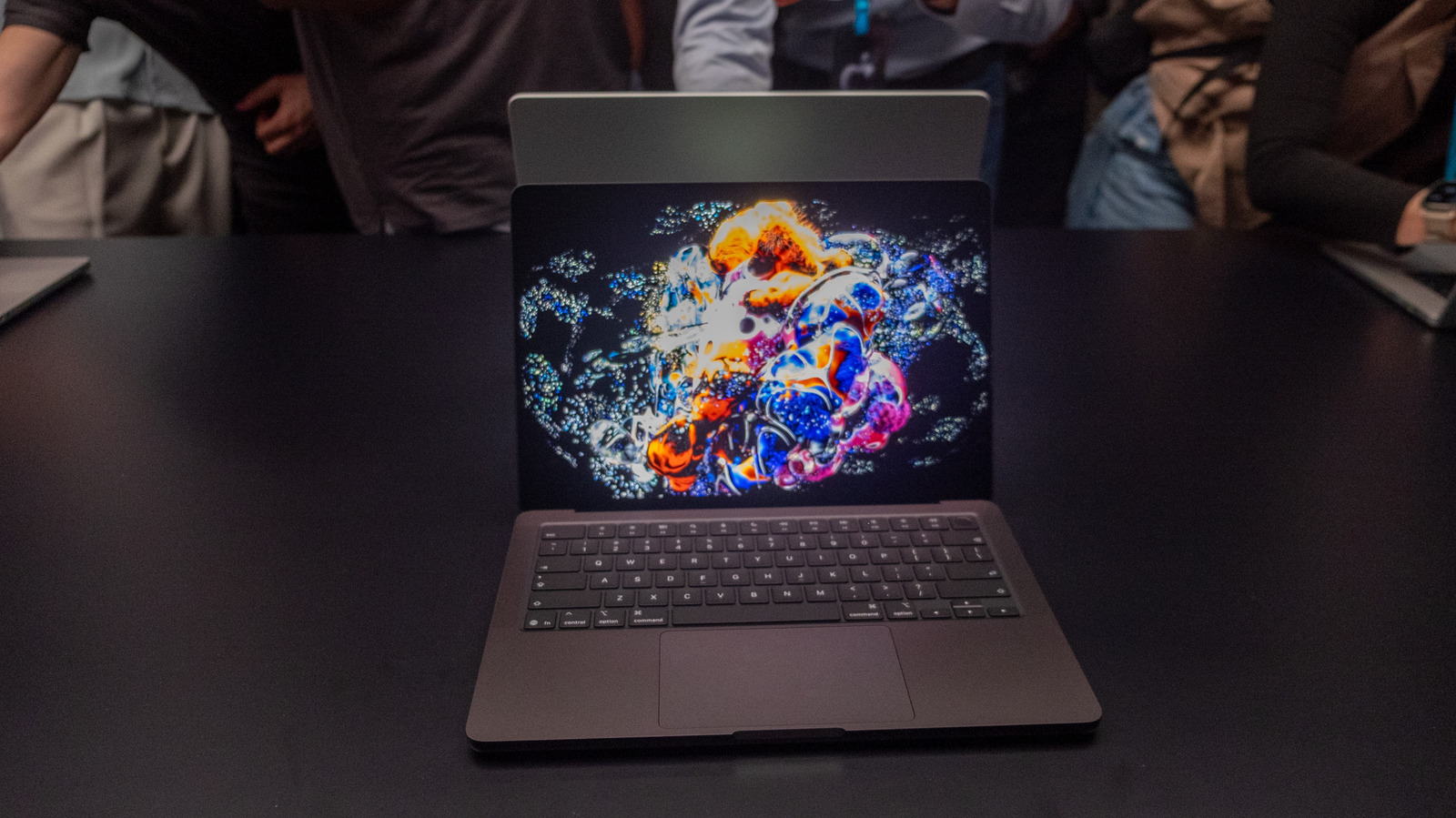
Apple Announces First Touchscreen MacBook Pro with PROLED XDR Display
Apple has officially announced its first touchscreen laptop, the MacBook Pro with PROLED XDR display, bringing touch capabilities to the Mac product line, Engadget and 9to5mac.com reported. The new machine breaks from longstanding hardware design traditions by integrating touch sensors directly into the display panel rather than laying them on top, aiming to reduce latency and provide a more direct interaction model for professional workflows.
The Tech TL;DR:
- First Touch Mac: The newly announced MacBook Pro introduces touch input directly into the display panel, allowing users to scroll, pinch to zoom, and interact with professional applications natively.
- PROLED XDR Display: Replacing Mini-LED, the machine uses tandem OLED technology stacked to deliver deeper black levels, increased brightness, and striking color accuracy.
- Pricing and Availability: Pre-orders opened on October 28, 2026, starting at $2,899 for the 14-inch model and $3,399 for the 16-inch version, with official deliveries scheduled for November 6, 2026.
Hardware Redesign and Specifications of the PROLED XDR MacBook Pro
Unveiled at Apple’s “Pro and Tell” event in Los Angeles, the new laptop maintains the familiar standard 14- and 16-inch screen sizes of previous generations while shedding significant mass. Engadget reported that the 14-inch model weighs three pounds, while the 16-inch version weighs four pounds. Despite the reduction in weight and a slightly thinner chassis, Apple kept the identical port selection found on recent MacBook Pro iterations, alongside the established keyboard and trackpad layouts from the 2021 redesign.
Under the hood, the machine relies on existing M5 Pro and M5 Max silicon. 9to5mac.com noted that Apple chose to skip the rumored M6 Pro and Max chips to accelerate the development of the M7 generation, meaning the new touch-enabled laptops run on the same M5 architecture deployed in March. Configurations support up to 128GB of unified memory, and buyers can choose between silver or space black finishes, with optional nano-texture display glass.
Software Optimizations and Touch-Enabled Interface Adjustments
While macOS has historically been optimized exclusively for mouse and keyboard input, the operating system introduces targeted adjustments for touch interaction. According to Bloomberg reporting cited by 9to5mac.com, touching UI elements like window management buttons causes them to expand slightly for easier finger targeting. Interacting with a control brings up a specialized menu surrounding the user's finger to surface relevant touch commands.
The Dynamic Island replaces the traditional hardware notch, serving as an interactive home for system utilities, Spotlight, Live Activities, and AI integrations. For professional applications, developers and designers can utilize the entire screen as a canvas. Graphic artists can draw beyond the boundaries of the trackpad, musicians can play virtual software instruments directly on the glass, and developers can test iOS and iPadOS applications natively on the hardware display.
To support stability under physical touch pressure, Apple engineered a new hinge mechanism. The system incorporates advanced video stabilization algorithms to smooth the built-in camera feed in real time during video calls when the user touches the display.

MacBook Pro Retail Sales Begin November 6
Pre-orders for the MacBook Pro with PROLED XDR display began immediately following the October 28 announcement, with retail availability slated for November 6, 2026. According to industry tracking from 9to5mac.com, retail stores are scheduled to undergo an overnight “reset” between November 5 and November 6 to refresh display tables and promotional signage, aligning the laptop’s release with a heavy autumn hardware cycle that includes the iPhone Duo, HomePod mini 2, and updated Apple TV hardware.
For users who prefer traditional non-touch configurations, Apple confirmed that the standard MacBook Pro models released in March will remain available at their existing price points. These legacy configurations retain identical performance metrics via the M5 Pro and M5 Max chips, though they lack the tandem OLED screen technology, the thinner chassis profile, and the glowing Apple logo reintroduced on the new touchscreen tier.
First look at Apple's new MacBook Pro with PROLED XDR Display pic.twitter.com/I3QZZSXVdj