
Antarctica Methane Leaks surge, Raising Climate Concerns
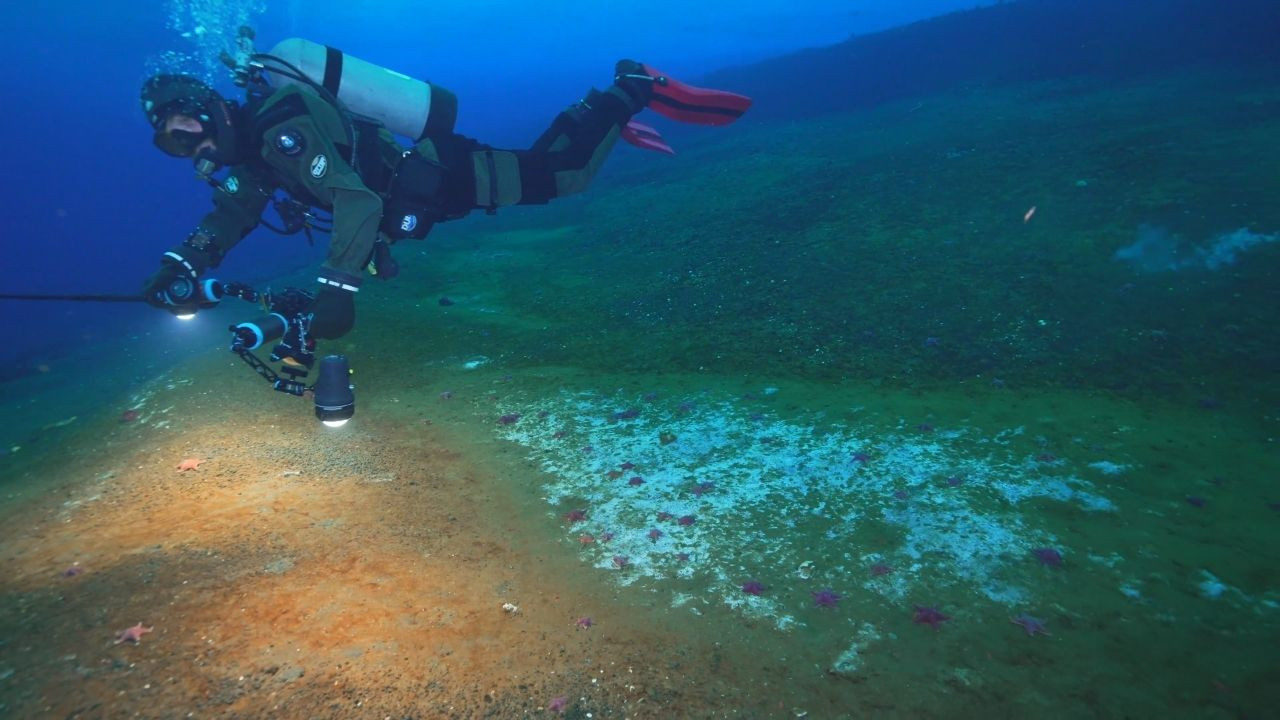
More than 40 methane leaks have been detected on the seabed surrounding Antarctica, signaling a potentially significant shift in the region’s climate impact, according to new research published in Nature Communications. The leaks, discovered by an international team using sonar scans with unmanned marine vehicles and divers in the Ross Sea, are occurring at a “surprising speed” through cracks under the ice.
The seabed around Antarctica holds vast methane reservoirs accumulated over millennia. Typically, microorganisms on the ocean floor absorb a portion of this gas. Though, expanding cracks are now allowing methane bubbles to reach the water surface and enter the atmosphere.
Methane is a potent greenhouse gas, trapping 80 times more heat than carbon dioxide in the first 20 years after its release. Even small increases in atmospheric methane can accelerate global warming. Researchers noted that many of the newly discovered leaks are in areas previously considered “safe” and routinely monitored.
“What was once a rare phenomenon is now becoming commonplace,” said Sarah Seabrook, an oceanographer in New Zealand and co-author of the study. “Although we get excited every time we find a new leak, this excitement quickly turns into anxiety.”
Scientists are currently unsure of the volume of methane reaching the atmosphere. Concerns exist that increased leaks could trigger a self-reinforcing climate cycle, similar to what is observed in the Arctic, where methane emissions are linked to sea level changes and thawing permafrost.
A research team is preparing for a two-month expedition to quantify the impact of the methane bubbles on both the water and the atmosphere.
“Methane is a mysterious gas that we don’t even know why it increases in the atmosphere,” stated Andrew Thurber, a professor at the University of California, in an interview with CNN International. He described the Antarctic leaks as a ”natural laboratory” that could soon become a “danger centre.”
