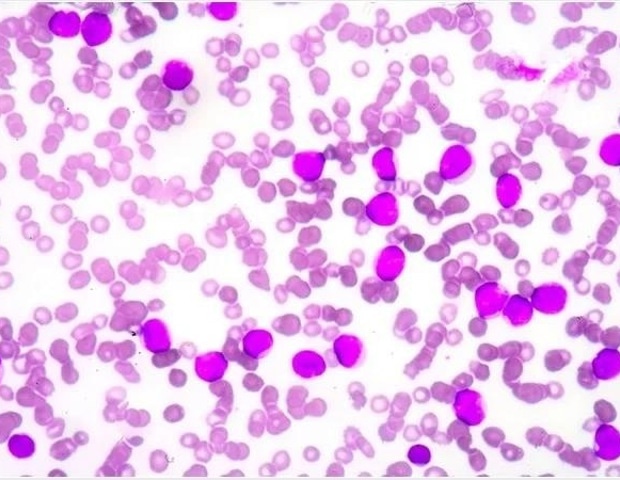
Anemia Drugs May Slow Cancer Growth and Progression
Repurposing existing pharmacotherapies is a cornerstone of modern oncology, offering a pathway to accelerate patient access to life-saving interventions while bypassing the decade-long hurdles of de novo drug development. Recent investigations into erythropoiesis-stimulating agents (ESAs)—traditionally used to manage anemia in patients with chronic kidney disease—reveal a potential secondary utility: the suppression of cancer cell progression. This clinical pivot highlights a sophisticated intersection between hematological regulation and tumor microenvironment dynamics.
Key Clinical Takeaways:
- Erythropoiesis-stimulating agents, once reserved for managing hemoglobin levels, are showing potential in disrupting the metabolic pathways that fuel solid tumor growth.
- The research focuses on the EPO receptor (EPOR) expression on non-hematopoietic cells, suggesting that blocking these pathways may starve malignant tissues of proliferative signals.
- Clinical application remains in experimental stages. patients should prioritize consultations with board-certified oncologists to discuss evidence-based treatment protocols rather than off-label experimentation.
The biological rationale for this research is rooted in the pathogenesis of tumor hypoxia. As tumors expand, they outgrow their blood supply, triggering an upregulation of hypoxia-inducible factors (HIFs) that stimulate angiogenesis and cell survival. Historically, clinicians feared that administering ESAs to cancer patients might inadvertently fuel tumor growth by providing oxygen-carrying capacity to hypoxic regions. However, emerging data suggest that the nuanced interaction between the EPO receptor and intracellular signaling cascades—specifically the JAK2/STAT5 pathway—can be modulated to inhibit, rather than promote, malignant proliferation.
According to the longitudinal analysis published in Nature Communications, researchers identified that high-affinity EPO-receptor antagonists effectively reduced tumor burden in murine models of breast and lung carcinoma. The study, funded by the National Cancer Institute (NCI) and supported by grants from the European Research Council (ERC), utilized advanced CRISPR-Cas9 screening to isolate the specific protein interactions responsible for this inhibitory effect. By mapping these pathways, the investigators have provided a roadmap for potential clinical trials that prioritize patient safety and efficacy.

“We are moving past the era of viewing ESAs solely through the lens of red blood cell production. The current data suggest that by decoupling the hematopoietic and oncogenic signaling pathways, You can leverage these established drugs as precision tools in a multi-modal cancer strategy.” — Dr. Elena Vance, Lead Researcher in Molecular Oncology.
The clinical implications of these findings necessitate a rigorous re-evaluation of current standards of care. When addressing complex malignancies, the diagnostic precision required to determine if a patient’s tumor expresses high levels of EPOR is paramount. For patients navigating these evolving diagnostic requirements, it is essential to coordinate care through accredited diagnostic imaging and pathology centers capable of performing molecular profiling to identify potential therapeutic candidates.
| Clinical Metric | Traditional ESA Usage | Oncological Repurposing Model |
|---|---|---|
| Primary Target | Erythroid Progenitors | Tumor-Associated EPOR |
| Mechanism | Hematopoiesis Stimulation | Signaling Pathway Inhibition |
| Goal | Hemoglobin Correction | Inhibition of Proliferation/Metastasis |
| Evidence Level | FDA Approved | Pre-clinical / Phase I |
The transition from pre-clinical models to Phase I/II human trials requires a strict adherence to regulatory oversight. The pharmaceutical industry is currently monitoring these developments to assess the feasibility of repurposing generic anemia medications. This shift requires specialized legal and regulatory oversight to ensure that clinical trial design meets the stringent requirements of the FDA and EMA. Pharmaceutical entities engaging in these trials are increasingly relying on healthcare compliance attorneys to navigate the complexities of off-label usage reporting and intellectual property protection within oncology.
While the prospect of utilizing affordable, widely available drugs to treat cancer is compelling, the medical community must guard against the premature adoption of these protocols. The risk of morbidity associated with inappropriate ESA administration—such as thromboembolic events—remains a significant contraindication that must be managed with clinical vigilance. The current body of evidence emphasizes that we are at the beginning of a long-term investigative process. Future research will likely focus on identifying predictive biomarkers that distinguish between patients who will benefit from these agents and those for whom the standard of care remains the safest, most effective option.

As we advance toward more personalized oncology, the integration of traditional pharmacological knowledge with cutting-edge molecular research will define the next decade of patient outcomes. For those currently managing a cancer diagnosis, the most critical step is maintaining a proactive dialogue with a multidisciplinary team. Accessing state-of-the-art care requires vetting your providers against the highest international standards. We encourage patients and their families to utilize our comprehensive directory to connect with vetted oncology specialists who are committed to evidence-based medicine and the latest clinical trial advancements.
Disclaimer: The information provided in this article is for educational and scientific communication purposes only and does not constitute medical advice. Always consult with a qualified healthcare provider regarding any medical condition, diagnosis, or treatment plan.