Amazon Raises Prices on Echo, Kindle, and Fire TV Due to Chip Shortage
Amazon has initiated across-the-board price hikes on its first-party hardware lineup, including Echo speakers, Fire TV devices, and Kindle e-readers. The company confirmed the adjustments overnight, citing a sustained surge in memory and storage component costs that have pressured consumer electronics.
The Fiscal Pressure Behind Hardware Markups
The decision to raise retail prices follows months of margin compression for major technology firms grappling with the high cost of memory chips. According to an official statement from an Amazon spokeswoman, the company “recently adjusted pricing across our product lines” to account for significant increases in memory and storage component costs.
This shift in pricing strategy aligns with broader industry trends. In June, Apple adjusted pricing for its Mac and iPad portfolios to mitigate similar component-related cost increases. During that period, Apple CEO Tim Cook described the volatility as a “100-year flood on memory pricing.” Microsoft has also moved to pass these costs to the consumer, announcing a $100 to $150 premium on its Xbox console lineup while simultaneously discontinuing 2-terabyte configurations.
Quantifying the Consumer Impact
The price adjustments touch nearly every pillar of Amazon’s consumer hardware business. The Echo Dot, previously priced at $49.99, now retails for $79.99. The Echo Show 11 has climbed to $249.99, up from $219.99.
E-reader and streaming categories also saw significant movement. The 16-gigabyte Kindle jumped from $109.99 to $149.99, while the Kindle Paperwhite of the same capacity moved from $159.99 to $199.99. Fire TV Stick 4K Max pricing spiked from $59.99 to $84.99. Notably, the eero 7 mesh networking system saw its price rise to $399.99, with the Pro 7 model reaching $799.99. Amazon’s Ring security products remain untouched by this round of price increases.
Capital Allocation and the AI Compute Bottleneck
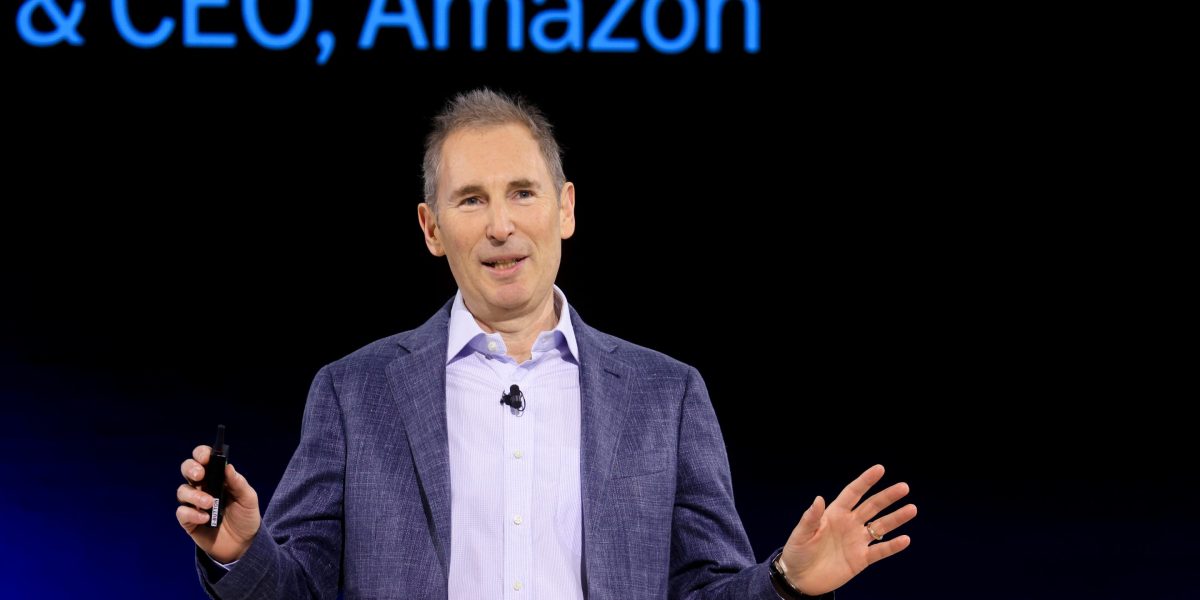
These retail price adjustments occur against the backdrop of Amazon’s massive capital expenditure shift. In late July, CEO Andy Jassy informed investors that the firm increased its capital expenditure guidance this year to $220 billion, up from an initial $200 billion forecast. The primary driver for this escalation is the infrastructure required to power AI services, which rely heavily on memory-intensive data center hardware.
Jassy signaled to shareholders that this supply-demand mismatch is systemic, stating that Amazon likely will not “have enough capacity to meet all the demand we have in 2026” and that this dynamic is projected to persist through 2027.
Market Trajectory and Strategic Outlook
Despite the hardware price hikes, Amazon’s cloud unit, AWS, continues to demonstrate robust momentum. The division reported $42.2 billion in revenue for the second quarter, a 37% year-over-year increase and the fastest growth rate recorded in 18 quarters. This growth trajectory, described by Jassy as the fifth consecutive quarter of acceleration, suggests that the firm’s enterprise-facing AI services are currently offsetting the headwinds in the consumer hardware segment.

As the company approaches its upcoming fall event to unveil new devices, the focus will likely remain on whether these pricing adjustments dampen demand among price-sensitive consumers or if Amazon’s ecosystem lock-in proves resilient.