
Alzheimer’s Protein Linked to Lung Cancer Spread
Discovery may allow repurposing of existing drugs.
A newly published study reveals how a protein associated with Alzheimer’s disease facilitates the spread of lung cancer to the brain, potentially opening the door to using existing Alzheimer’s drugs to prevent cancer’s spread.
Key Development
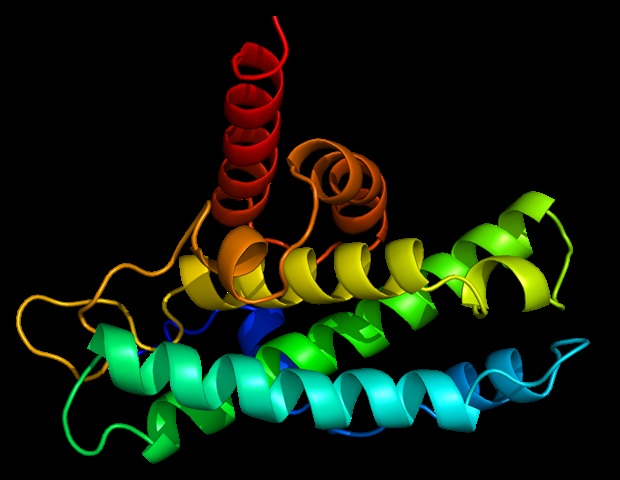
The research, conducted by scientists at **McMaster University**, **Cleveland Clinic** and **Case Comprehensive Cancer Center**, focused on the protein BACE1’s role in brain metastases, where tumors spread to the brain from lung cancer. In non-small cell lung cancer, these tumors can occur in as many as 40% of patients.
According to **Sheila Singh**, director of **McMaster’s Centre for Discovery in Cancer Research**, “We’ve always associated BACE1 with Alzheimer’s disease, so to find it playing a major role in lung cancer brain metastases is an important discovery. It’s a reminder that cancer can hijack biological pathways in ways we don’t yet fully understand.”
CRISPR Activation Screen
A genome-wide in vivo CRISPR activation screen allowed the team to activate thousands of genes individually in lung cancer cells, which were then introduced into mice. Researchers observed that activating BACE1 significantly increased the likelihood of the cancer cells invading the brain.
Alzheimer’s Connection
The connection between BACE1 and Alzheimer’s stems from BACE1’s role in cutting the APP protein, which leads to the formation of brain plaques, a hallmark of Alzheimer’s disease.
Hope for Repurposed Therapies
With limited therapies currently available for cancer that has spread to the brain, the identification of BACE1 offers a new avenue. Drugs developed for Alzheimer’s, such as Verubecestat, which inhibits BACE1 activity, could potentially be repurposed.
Mice treated with Verubecestat experienced fewer and smaller tumors and had longer lifespans. Although Verubecestat showed initial promise in Alzheimer’s patients, it was discontinued during Phase 3 clinical trials in 2018 because positive benefit/risk was unlikely.
Lung cancer is the second most common cancer in both men and women, accounting for about 12% of all new cancers, with around 238,340 new cases estimated in the U.S. in 2023 alone (American Cancer Society).
Interdisciplinary Collaboration
“This study highlights how interdisciplinary partnerships can lead to breakthroughs in understanding and treating devastating diseases like brain metastases,”
said **Shideng Bao**, a researcher in **Cleveland Clinic’s Department of Cancer Biology**. “By identifying BACE1 as a key player in the spread of lung cancer to the brain, we’ve uncovered a promising new avenue for therapeutic intervention that could ultimately improve outcomes for patients.”
The study was a collaboration between the **Sheila Singh Lab**, **Cleveland Clinic**, and **Case Comprehensive Cancer Center**.
Future Research
Further research is necessary to fully determine how effective this therapy may be in preventing lung cancer from spreading to the brain.
