ALERT Intervention Reduces Early Perinatal Mortality in Sub-Saharan Africa
A multi-faceted clinical intervention designed to improve intrapartum care in sub-Saharan Africa has demonstrated a 22 per cent reduction in early perinatal mortality, according to a stepped-wedge cluster-randomized trial published August 26, 2026, in Nature Medicine. The study, which evaluated 134,630 women and 139,300 newborns across 16 hospitals in Benin, Malawi, Tanzania, and Uganda, confirms that structured staff training and leadership mentoring can significantly improve birth outcomes in resource-limited settings.
- The ALERT intervention reduced early perinatal mortality (stillbirth or death within 24 hours) by 22 per cent across the study population.
- Oxygen-deprivation-related complications in newborns decreased by 19 per cent following the implementation of the program.
- Improved fetal heart rate monitoring and higher rates of timely clinical intervention, such as cesarean sections, were identified as primary drivers of the improved survival rates.
Clinical Infrastructure and the ALERT Program
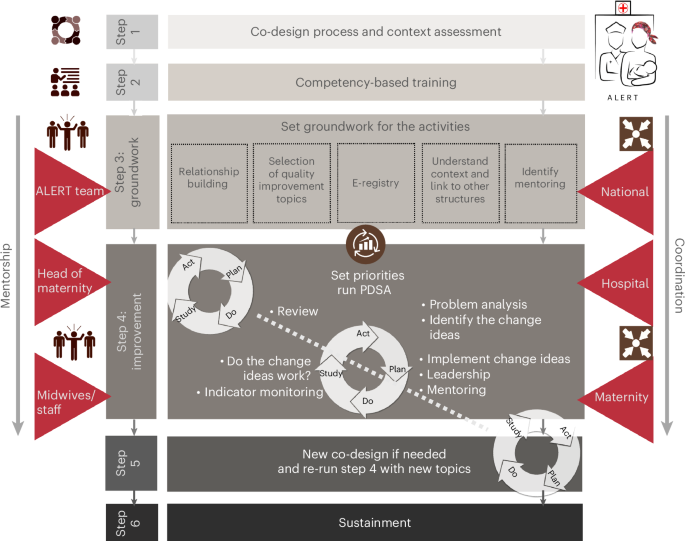
The study, led by researchers at the Karolinska Institutet, addressed the persistent disparity in birth outcomes between sub-Saharan Africa and high-income regions. The risk of mortality during childbirth in the region remains approximately 40 times higher than in Europe, with roughly one million stillbirths occurring annually. To mitigate these risks, the research team developed the ALERT intervention through a co-design process involving families, healthcare staff, and clinical leadership. The intervention focused on three pillars: staff training, quality improvement initiatives, and management mentoring.
The trial utilized a digital perinatal register, modeled after established systems in Sweden, to provide real-time feedback to maternity units. This data-driven approach allowed staff to monitor fetal heart rates more effectively and adjust clinical responses accordingly. According to the findings, the intervention did not significantly reduce stillbirth rates independently, but it achieved a statistically significant decrease in the combined metric of early perinatal mortality.
Addressing Pathogenesis and Birth Complications
The reduction in oxygen-deprivation-related complications suggests that the program effectively improved the standard of care for fetal distress. By optimizing working practices and strengthening care teams, the intervention enabled clinicians to detect complications earlier. The slight increase in the frequency of cesarean sections noted during the trial period is interpreted by researchers as evidence of more timely, appropriate clinical decision-making rather than an increase in unnecessary procedures.
“This inequality is unacceptable,” stated Claudia Hanson, professor at the Department of Global Public Health at Karolinska Institutet and the study’s principal investigator. “Our findings show that it is possible to reduce mortality and morbidity among newborns by improving the quality of maternity care, optimizing working practices, and strengthening care teams and leadership, even in settings where resources are limited and midwives work under high pressure.”
Future Directions in Perinatal Monitoring
The research team is now shifting focus toward the integration of artificial intelligence to support clinical decision-making. Future iterations of the ALERT intervention aim to develop AI-supported tools that can assist staff in interpreting signs of fetal distress, potentially further lowering mortality rates. This trajectory emphasizes the need for continuous quality improvement in maternity wards globally.

The project was conducted as part of an effort to standardize high-quality maternity care across diverse clinical environments. As the medical community continues to refine these practices, the focus remains on the scalability of the ALERT model to other regions facing similar maternal and infant health challenges. The study’s reliance on a large-scale, cluster-randomized design provides a robust evidentiary basis for institutional policy changes aimed at reducing preventable perinatal morbidity.
Disclaimer: The information provided in this article is for educational and scientific communication purposes only and does not constitute medical advice. Always consult with a qualified healthcare provider regarding any medical condition, diagnosis, or treatment plan.