
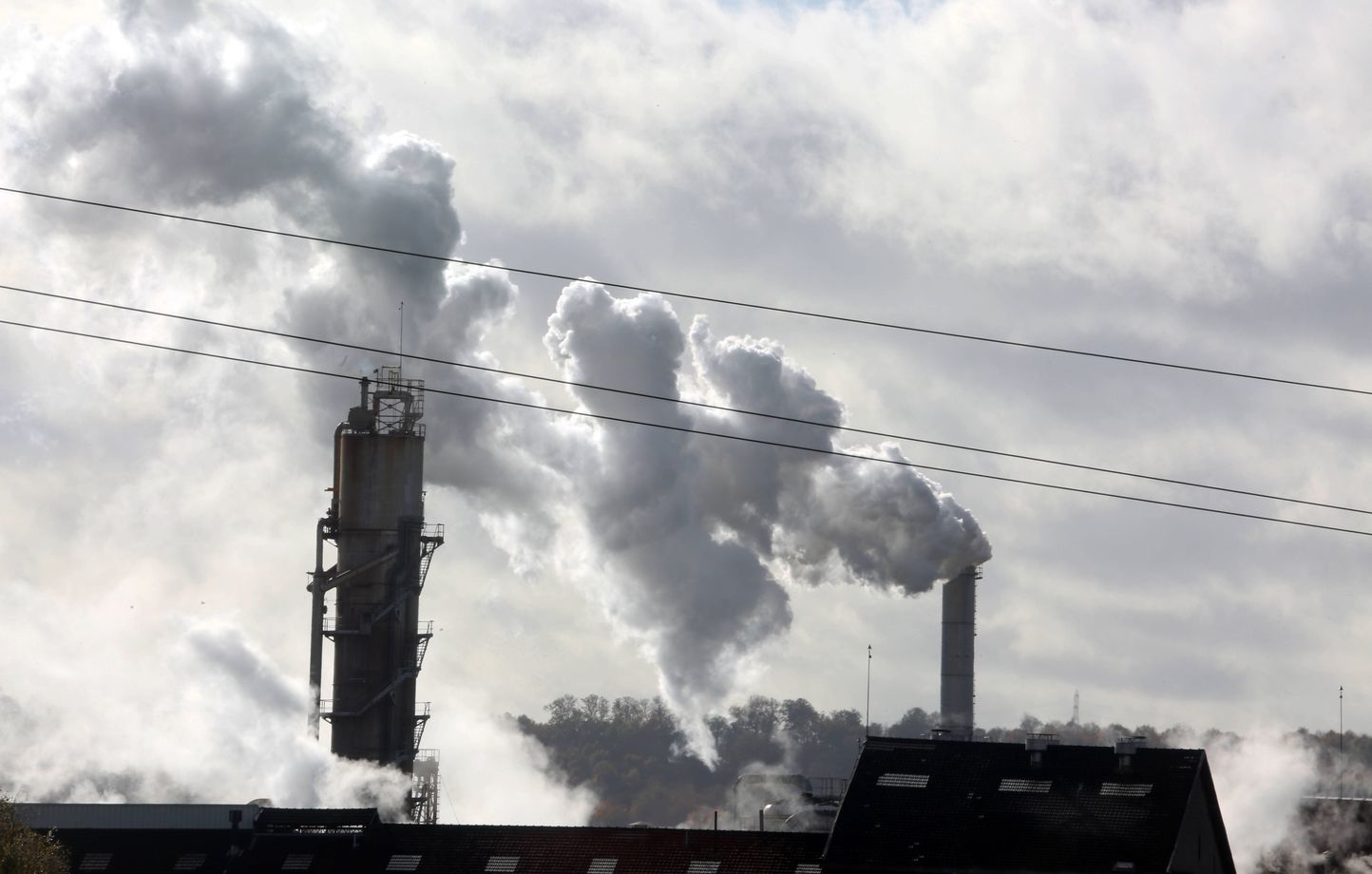
Air Pollution During Infancy Linked to Increased Leukemia Risk, Study Finds
Paris, France - Exposure to fine particulate matter (PM2.5) pollution shortly after birth is associated with a significantly higher risk of developing acute leukemia in children, according to new research published in Environmental Health. The study, lead by researchers at the French national institute of Health and medical Research (Inserm), found that children with the highest exposure to PM2.5 had approximately a 70% increased risk compared to those with the lowest exposure.
Acute leukemia is the most common childhood cancer, and while several risk factors are known, the impact of early-life air pollution exposure has remained unclear. Researchers from Inserm, alongside teams from Sorbonne Paris Nord, Paris Cité universities, and INRAE, analyzed data from the national childhood cancer registry as part of the GEOCAP-Birth project to investigate this link.
The study modeled infant exposure to pollutants – including nitrogen dioxide (NO2), PM2.5, and black carbon – at thier place of birth. Notably, the research did not find a direct correlation between proximity to major roads and increased leukemia risk.
“Thes results support the hypothesis of a role of perinatal exposure to air pollution in the occurrence of acute leukemia in children,” stated Aurélie Danjou, Inserm researcher and first author of the study.
The findings underscore growing concerns about the impact of environmental factors on child health and add to the body of evidence highlighting the need for continued efforts to reduce air pollution levels, especially in areas where infants and young children live.
