
Africa Forward Summit: France’s Fading Influence and Kenya’s Trade Ambitions
French President Emmanuel Macron convened the “Africa Forward” summit in Nairobi, Kenya, gathering over 30 heads of state to pivot France’s continental strategy. The summit marks a strategic shift from colonial-era dominance toward a “partnership of equals,” focusing on energy transition and trade following France’s waning influence in West Africa.
For decades, the relationship between Paris and its former African colonies was defined by a shadow system known as Françafrique. This was not merely diplomacy; it was a complex web of economic, political, and military sway that allowed France to maintain a heavy-handed grip on its former territories. But the tide has turned. With the completion of French troop withdrawals from West Africa last year, the old playbook is no longer functional. The “Africa Forward” summit is a calculated attempt to stop the bleeding and redefine France’s relevance in a multipolar world.
The choice of Nairobi as the venue is the most telling detail of the entire event. For the first time since the inception of these summits in 1973, the gathering is taking place in a non-francophone country. By moving the conversation to an Anglophone hub, Macron is signaling that France is no longer interested in merely managing its “backyard” but is instead courting new, powerful allies across the continent.
The Nairobi Pivot: Beyond the Francophone Sphere
Kenya is not just a host; This proves a strategic gateway. Under President William Ruto, Nairobi has positioned itself as a champion of the African Continental Free Trade Area (AfCFTA), a project designed to create a single market for goods and services across 54 nations. French investors are eager to leverage this framework to bypass the volatility of West Africa and tap into the growth of the East.
The tangible result of this pivot is a series of high-stakes agreements. Kenya and France have signed 11 separate agreements, spanning multiple sectors. The crown jewel of these deals is an ambitious project for a nuclear energy plant, signaling a long-term commitment to Kenya’s energy infrastructure and a move toward a low-carbon economy.

However, the transition is not without friction. While the summit focuses on “forward” momentum, the internal politics of the host nation provide a stark contrast. Kenya’s opposition leader, Kalonzo Musyoka, has publicly slammed the event, arguing that the summit is a facade. Musyoka claims that democracy in Kenya remains under threat and that human rights are being violated, suggesting that the international gathering creates an “air of pretence” regarding national cohesion.
For international firms looking to enter these emerging markets, this volatility highlights a critical need for risk mitigation. Navigating the intersection of high-level diplomatic agreements and local political instability requires the expertise of international trade attorneys who can shield assets from sudden regulatory shifts.
Deconstructing the “Partnership of Equals”
Macron has been candid about the changing geopolitical landscape. He has acknowledged that while France may “disagree” with certain West African governments, it “never disagrees with the people.” This distinction is a delicate attempt to distance the French state from the unpopular colonial legacies that have fueled recent unrest and diplomatic breaks in the Sahel region.
The “Africa Forward” framework focuses on three primary pillars:
- Energy Transition: Moving beyond extractive industries toward sustainable energy, exemplified by the nuclear deal in Kenya.
- Financial Architecture: Discussing the reform of international financial institutions to provide African nations with fairer credit and lending terms.
- Peace and Security: Shifting from a role of “regional policeman” to a collaborative security partner.
This shift represents a fundamental change in how France views its role. Instead of maintaining thousands of troops to ensure stability—and by extension, French interests—Paris is now attempting to build a network of diverse partnerships. But the question remains whether this “paradigm shift” is a genuine ideological change or a pragmatic response to the reality of fading influence.
“Both leaders expect the summit to be a ‘turning point’ toward a better partnership.” — President William Ruto
As France pivots toward East Africa, the logistical and regulatory hurdles for French companies are changing. The transition from the familiar legal frameworks of former colonies to the Anglophone systems of East Africa is a complex leap. Many organizations are now seeking infrastructure project consultants to manage the technical and legal complexities of large-scale energy and transport projects under these new bilateral agreements.
The Geopolitical Stakes of the AfCFTA
The underlying engine of this summit is the AfCFTA. By integrating the continent’s markets, Africa is reducing its dependence on any single external power. France recognizes that if it cannot integrate itself into this pan-African economic structure, it will be sidelined not only by local leaders but by other global powers competing for influence in the region.
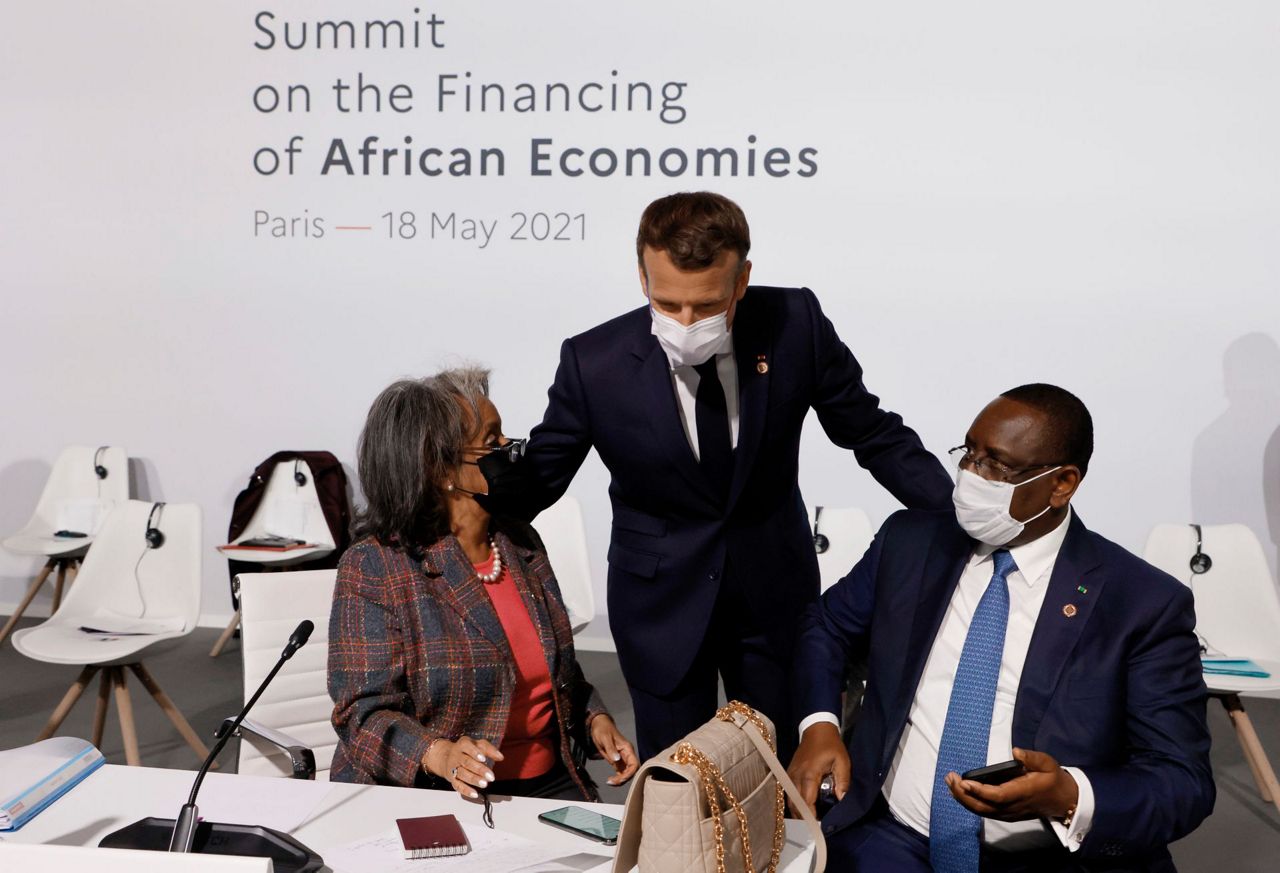
The summit’s focus on “matchmaking” and “networking” for youth and creative industries suggests that France is trying to build soft-power bridges. By investing in the cultural and creative sectors, Paris is attempting to engage with a younger generation of Africans who have no memory of colonialism but are keenly aware of modern economic disparities.
Yet, the shadow of the past is long. The withdrawal of French troops from West Africa was not a voluntary strategic choice but a necessity born of regional rejection. The “partnership of equals” is an ambitious goal, but it must contend with a legacy of “demeaning and heavy-handed” approaches that have left deep scars in the Francophone world.
For governments and NGOs operating in this shifting environment, the need for sophisticated public affairs specialists has never been higher. The ability to navigate the tension between high-level state agreements and grassroots sentiment is now the primary requirement for any successful long-term venture in the region.
The “Africa Forward” summit is more than a diplomatic gathering; it is a survival strategy for French influence. By embracing the Anglophone world and the AfCFTA, Macron is attempting to build a future that isn’t anchored to a crumbling colonial past. However, the success of this pivot will not be measured by the number of agreements signed in Nairobi, but by whether these partnerships can survive the inherent volatility of the region’s democratic struggles. As the geopolitical map of Africa is redrawn, the only certainty is that the old rules of engagement are gone. Those who wish to operate in this new era must rely on verified, local expertise to navigate the gap between diplomatic rhetoric and operational reality—expertise that can be found through the vetted professionals in the World Today News Directory.