
Afghan Women Face Mounting Maternal Health Crisis Following Aid Cuts adn Taliban Restrictions
kabul, Afghanistan – A BBC inquiry reveals a rapidly deteriorating maternal health crisis in Afghanistan, exacerbated by sweeping restrictions imposed by the Taliban and the withdrawal of crucial international aid. Women are increasingly at risk during childbirth as access to qualified medical personnel dwindles, with potentially devastating consequences for both mothers and newborns.
The crisis stems from a series of policies enacted as the Taliban regained control in 2021. All higher education, including medical training, was banned for women three years ago. This was followed in December 2024 by a prohibition on training for midwives and female nurses, effectively halting the pipeline of qualified healthcare providers for women. The situation is especially dire as Afghanistan already suffers from a severe shortage of medical professionals.
“When that [midwife and nursing training] was also banned, I became depressed.I was crying day and night, and I wasn’t able to eat. It’s a painful situation,” said Anya, a former student who requested her name be changed for fear of reprisal.Anya and her colleague, Karishma (also a pseudonym), where both pursuing graduate studies when universities were closed in December 2022 and turned to midwifery and nursing training as their only remaining path to education and employment.
The bans are forcing more women to give birth at home without skilled assistance, increasing the risk of complications and death. ”There is already a shortage of midwives and nurses in Afghanistan. Without more being trained, women will be forced to give birth at home which will put them at risk,” Karishma explained.
When questioned about the justification for these restrictions, Taliban government spokesperson Suhail Shaheen dismissed concerns, stating, “It is indeed our internal issue. These are our issues, how to handle them, how to consider them, how to take decisions, this is something internal. that is up to the leadership.Based on the needs of the society, they will take a decision.”
The situation is further compounded by meaningful cuts in US aid following the Taliban takeover. While the full impact of these cuts is still unfolding, the reduction in funding for healthcare programs is undeniably contributing to the collapse of the maternal health system. With limited access to medical services and a shrinking workforce, Afghanistan’s women face a grave threat to their health and lives.
additional reporting, photography and video: Aakriti Thapar, Mahfouz Zubaide, Sanjay Ganguly
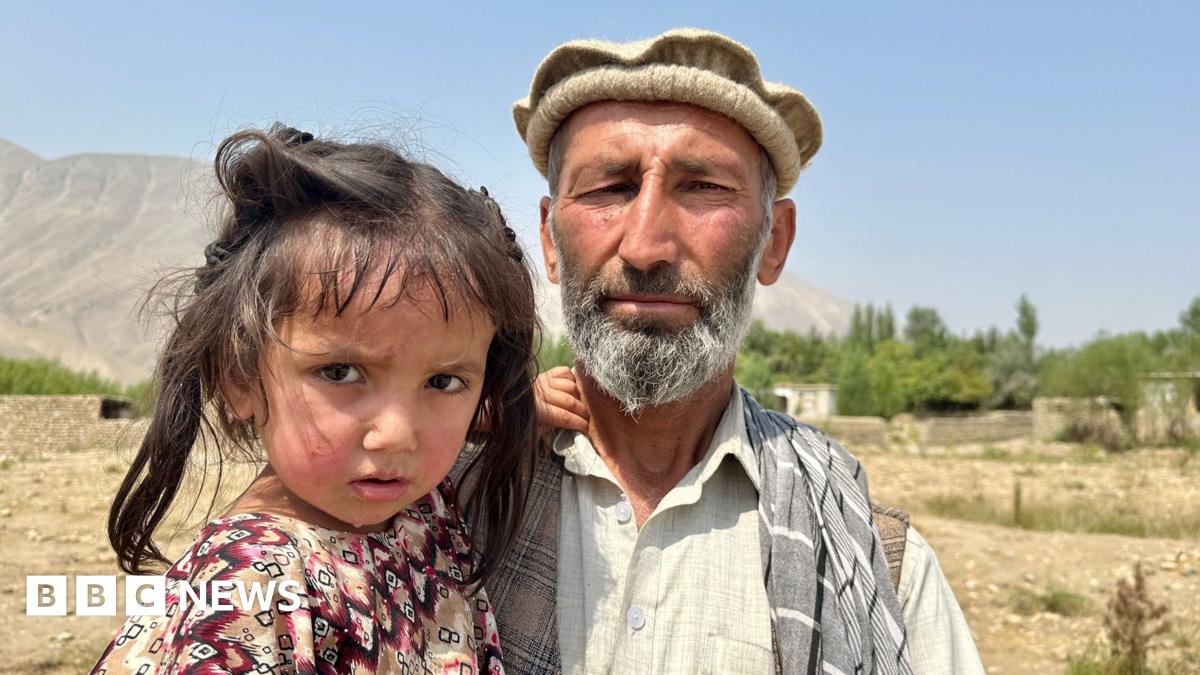
Top image shows Abdul with his daughter and son in Shesh Pol.
