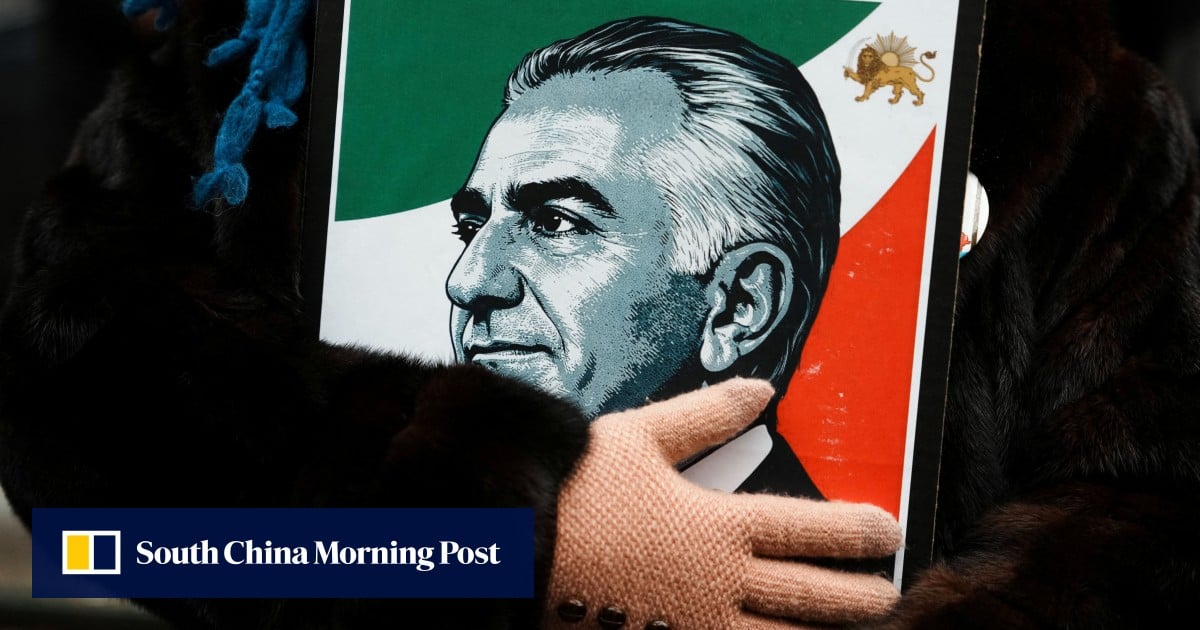
Statements from allies of exiled Iranian Prince Reza Pahlavi are signaling a potential shift in Tehran’s relationships with China and Russia, even as Pahlavi increasingly presents himself as a key figure in Iran’s future political landscape. This positioning contrasts with the more measured approach taken by Washington.
Speaking at a media briefing in Washington on Thursday, Cameron Khansarinia, Pahlavi’s chief of staff, dismissed recent mediation efforts by Beijing, asserting that dialogue with the current Iranian leadership is unproductive. “I don’t think there is any mediation to be had with this current regime,” Khansarinia said, accusing Tehran of regional destabilization and internal repression.
China’s special envoy for Middle East affairs, Zhai Jun, concluded a regional tour earlier in March following escalating tensions triggered by reported U.S.-Israeli actions within Iran. According to Chinese Foreign Ministry spokesperson Lin Jian, the tour was part of a sustained “intensive diplomatic mediation effort” that Beijing intends to continue “as long as the conflict continues.”
On Thursday, Chinese Foreign Minister Wang Yi, in a call with British Foreign Secretary Yvette Cooper, emphasized the need for both countries to “consistently capture actions conducive to peace,” according to a readout from Beijing. This call occurred as international powers assess the evolving situation in Iran and its implications for regional stability.
The death of influential Iranian politician Ali Larijani, reported this week, has been described by some observers as a potentially greater loss to Iran than the passing of Supreme Leader Ayatollah Ali Khamenei, due to Larijani’s role as a key negotiator and pragmatist within the Iranian system. This development adds another layer of complexity to the internal dynamics within Iran as external powers navigate their strategies.
Experts at the Atlantic Council have recently discussed potential responses to a hypothetical military strike by the United States against Iran, highlighting the potential for escalation and unintended consequences. The discussion underscores the high stakes involved and the limited options available to policymakers.
Forbes reported this week that global and regional powers are actively evaluating their options regarding Iran, suggesting a period of strategic reassessment is underway. The article noted the delicate balance between containing Iran’s regional influence and avoiding a wider conflict.
Leave a Reply