
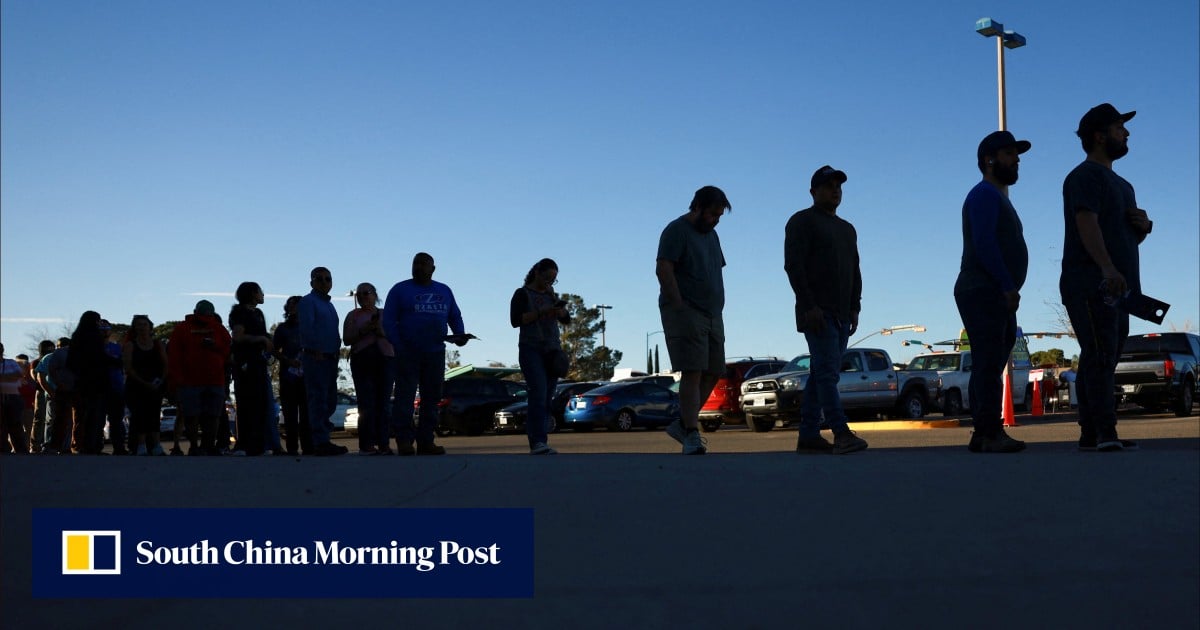
Texas Attorney General Ken Paxton and U.S. Senator John Cornyn will advance to a runoff election, following primary contests held Tuesday that offered an early indication of the direction of both parties as the 2026 midterm elections approach. The results, unfolding across Texas, North Carolina, and Arkansas, are being closely watched as a test of Republican voters’ appetite for candidates aligned with or diverging from former President Donald Trump.
The Texas primaries, the marquee races of the night, revealed a fractured Republican electorate. Whereas Trump endorsed over 130 candidates in the state ahead of Tuesday’s primary, he notably remained on the sidelines of the Senate race, a decision that allowed both Paxton and Cornyn to secure spots in the runoff. Trump’s endorsements, which began as early as July with a blanket backing of state lawmakers who supported Governor Greg Abbott’s school voucher plan, appeared to successfully quell challenges at the state legislative level, according to reports.
Representative Tony Gonzales and activist Brandon Herrera will also head to a runoff in a Texas congressional race, CNN projected. Representative Henry Cuellar, a Democrat who received a pardon from President Trump, won his primary election. In a significant upset, Representative Steve Toth defeated incumbent Republican Representative Dan Crenshaw, a result that underscores the ongoing internal battles within the party.
The outcomes in Texas are particularly significant given the state’s importance to the Republican party’s slim majority in the U.S. House. Trump successfully advocated for the creation of five novel districts designed to favor Republicans, a move that sparked a national redistricting debate. He endorsed candidates in the primaries for all five new seats, bringing three of them onstage during a recent event in Corpus Christi.
The March 3 primaries mark the beginning of an eight-month campaign leading up to the November midterms, the first nationwide election of President Trump’s second term. The results will offer early clues on the direction of both parties as Republicans seek to maintain their congressional majorities while Democrats search for a path forward. The contests are being viewed as a barometer of whether voters prioritize experience and established leadership or candidates who embrace more confrontational approaches.
In North Carolina, Roy Cooper and Michael Whatley will advance to a Senate matchup. The results in Texas and North Carolina are expected to shape the broader narrative heading into the fall elections, where control of Congress will be at stake.
