
Researchers at the Vrije Universiteit Brussel (VUB) and UZ Brussel have identified a critical role for iron in the development of functional insulin-producing beta cells, a finding that could reshape approaches to diabetes treatment and prevention. The study, published in Nature Communications, demonstrates that young beta cells require a substantial influx of iron to mature properly, and a lack of the mineral leads to premature cell death.
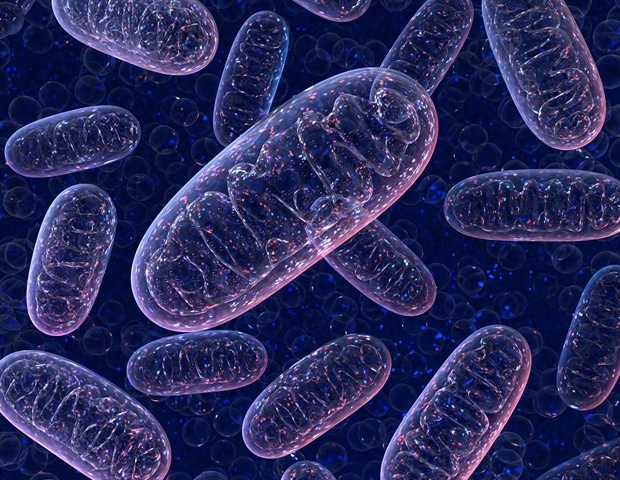
Beta cells, located in the pancreas, are responsible for sensing blood glucose levels and releasing insulin, a hormone that enables the body to utilize sugar for energy. This process demands significant cellular energy, generated within the cell’s mitochondria. The research reveals that iron is a vital component in fueling these mitochondrial power plants during beta cell development.
“During the development of beta cells, there is a particular moment when they are particularly vulnerable,” explained Annelore Van Mulders, from the beta cell neogenesis research group at the VUB and lead author of the study. “At this stage, young beta cells open their ‘doors’ wide to iron via a special receptor. When we blocked the supply of iron, the cells were unable to progress to adulthood and died.”
The study further revealed that mature beta cells are less susceptible to temporary iron deficiency, highlighting a unique and time-sensitive “hunger for iron” during the cells’ formative stages. This suggests that interventions aimed at optimizing iron availability during beta cell development could be particularly effective.
Professor Willem Staels, a paediatric endocrinologist with the Beta Cell Neogenesis Research Group at the VUB, emphasized the potential impact of this discovery. “We’ve known for some time that too much iron can be harmful to the pancreas, but what we didn’t know until now was that iron is actually essential for its development. Our results show that iron is a necessary ingredient for transforming an immature cell into a healthy, functional beta cell.” He added that the findings represent “another important step in the search for ways to grow beta cells in the laboratory as an alternative therapy for people with diabetes.”
The implications extend beyond potential novel therapies. Professor Nico De Leu, an endocrinologist at UZ Brussel and co-leader of the research, noted the relevance to clinical practice. “This study provides direct evidence that our body’s insulin factories simply shut down in the absence of the mineral iron,” he stated. Given that iron deficiency is the most prevalent nutritional deficiency globally, the research underscores the importance of maintaining adequate iron levels for metabolic health.
According to the Vrije Universiteit Brussel website, the university focuses on research addressing societal challenges, combining expertise with an interdisciplinary approach. The VUB, established in 1970 following a split from the original Free University of Brussels founded in 1834, operates four campuses across Brussels: Elsene, Jette, Anderlecht, and Gooik.
The researchers suggest that manipulating iron availability during beta cell development could lead to the production of healthier, more robust cells from stem cells, offering a potential pathway to regenerative medicine for diabetes. Further research is planned to explore the optimal timing and dosage of iron supplementation to maximize beta cell function.
