
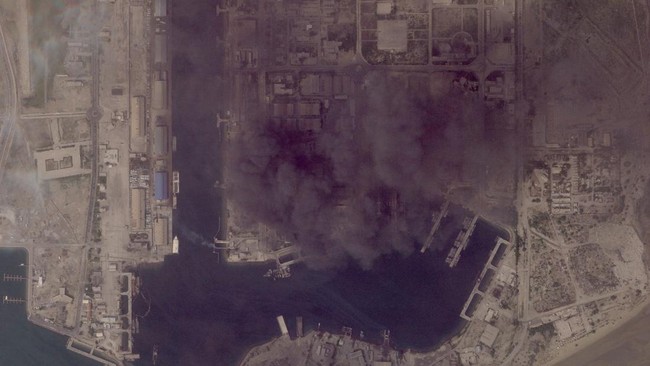
DUBAI, UAE – A direct military strike targeting critical digital infrastructure has disrupted operations for Amazon Web Services (AWS) in the Middle East, escalating tensions following the reported death of Ayatollah Ali Khamenei and subsequent retaliatory actions. Iran claimed responsibility for drone attacks that damaged AWS data centers in the United Arab Emirates and Bahrain, marking the first known instance of a major cloud provider’s facilities being directly targeted in armed conflict.
AWS confirmed that two facilities in the UAE sustained direct hits, while a third in Bahrain was impacted by drone activity in the surrounding area. “These attacks caused structural damage, disrupted power supply to our infrastructure, and in some cases required fire suppression activities resulting in additional water damage,” the company stated in a public update. AWS warned that recovery efforts will be protracted due to the extent of the physical damage.
The disruptions affected approximately a dozen core AWS cloud services, forcing customers – including financial institutions – to shift operations to alternative regions. Abu Dhabi Commercial Bank reported temporary outages of its platforms and mobile applications due to the regional IT disruptions, though did not directly attribute the issues to the AWS incident.
The attacks represent a significant shift in the nature of conflict in the region. Previously, Iran and its proxies have focused on targeting oil infrastructure, including refineries, pipelines, and oil fields. The targeting of data centers and cloud infrastructure signals a broadening of strategic objectives to include the digital realm. The Center for Strategic and International Studies has previously warned that data centers and their supporting energy infrastructure are potential strategic targets in modern conflicts.
The UAE has been actively positioning itself as a regional hub for artificial intelligence, attracting substantial investment from US technology companies. Microsoft, for example, has committed $15.2 billion in investment through 2029 to bolster data center capacity in the country, utilizing chips from Nvidia. This makes the attacks on AWS infrastructure particularly sensitive, potentially undermining confidence in the region’s ability to support advanced technologies.
According to a report from Jones Lang LaSalle Inc., Saudi Arabia is poised to turn into the center of data center growth in the Middle East over the next three years, with Riyadh expected to lead the market. This growth is aligned with Saudi Arabia’s ambitions to become a hub for artificial intelligence and to digitize its economy. Riyadh’s data center capacity is projected to grow at a compound annual rate of 37% through 2027, nearly double the rate expected in Dubai and Abu Dhabi.
The attacks on AWS infrastructure approach amid a broader surge in investment in data center capacity in the Middle East. A recent report indicated that regional capacity is expected to triple from 1 gigawatt in 2025 to 3.3 gigawatts by 2030, fueled by sovereign wealth funds and geopolitical ambitions. The UAE and Saudi Arabia are leveraging their energy resources to provide low-cost electricity – ranging from $0.05 to $0.06 per kilowatt-hour – to power these facilities, significantly lower than the $0.09 to $0.15 average in the United States.
As of Tuesday, March 3, 2026, AWS has not provided a timeline for full restoration of services. The company’s update indicated ongoing assessments of the damage and a commitment to working with local authorities to secure the facilities. No statement has been issued by Iranian officials beyond the initial claim of responsibility.
