
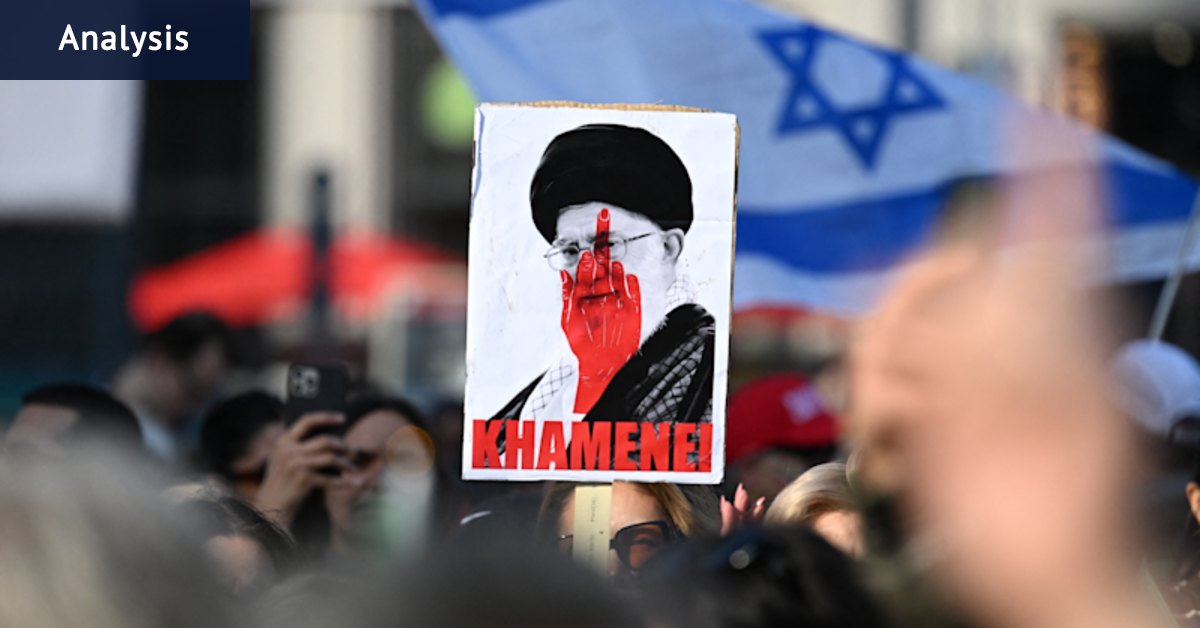
The Islamic Republic of Iran is facing a crisis of leadership and military capacity following a sustained joint assault by the United States and Israel. The strikes, which began Saturday, have targeted key military infrastructure and resulted in the deaths of numerous senior officials, including Supreme Leader Ayatollah Ali Khamenei.
The death of Khamenei, who had ruled Iran for 37 years, has created a significant power vacuum. Iranian state media confirmed his death Sunday, reporting he was killed while working in his office in Tehran. Reports also suggest his daughter, grandchild, daughter-in-law and son-in-law were killed in the same strike. His son, Mojtaba Khamenei, who had been considered a potential successor, may also be dead.
US President Donald Trump claimed “dozens of leaders” had been eliminated, though independent verification of this number is currently unavailable. However, confirmed casualties include Ali Shamkhani, 70, head of Iran’s Defence Council; Mohammad Pakpour, 64, commander-in-chief of the Islamic Revolutionary Guard Corps (IRGC); and Defence Minister Aziz Nasirzadeh, 62. Sayyid Abdolrahim Mousavi, 65, chief of staff of the Iranian armed forces, is also reported to have died in the attacks.
Israeli forces have claimed additional casualties, including Mohammad Shirazi, head of Khamenei’s military bureau, and intelligence chief Saleh Asadi. Reports also suggest the deaths of Esmail Qaani, head of the IRGC’s Quds unit, and Hossein Jabal Amelian, head of the defence ministry’s research and development department, along with his predecessor, Reza Mozaffari-Nia.
The strikes have severely degraded Iran’s military capabilities. According to reports, the attacks targeted ballistic missile facilities and warships. The timing of the strikes reportedly exploited a moment when Khamenei and other senior leaders were meeting, allowing for a concentrated effort to decapitate the government.
Iran’s President Masoud Pezeshkian has vowed retaliation, stating in a recorded message, “Our brave soldiers and the great nation of Iran will teach an unforgettable lesson to the international oppressors. They will regret this day.”
Under the Iranian constitution, the 88-member Assembly of Experts is responsible for choosing the next supreme leader. However, this process is complicated by the ongoing attacks and the widespread disruption to the Iranian leadership structure. Foreign Minister Abbas Araghchi stated Sunday that a new supreme leader would be chosen in “one or two” days, a claim that follows a previous statement that Khamenei was still alive.
Currently, the Iranian military is technically leaderless, as the supreme leader also serves as commander-in-chief. An interim committee, consisting of President Pezeshkian, judicial head Gholam-Hossein Mohseni-Ejei, and Ayatollah Alireza Arafi, is reportedly working to select a successor. Ali Larijani, Iran’s top security official, remains a key figure, having been involved in nuclear negotiations and maintaining close ties with Russia.
The European Union has expressed “great concern” over the developments, with President of the European Commission Ursula von der Leyen highlighting EU sanctions against Iran’s regime and its Revolutionary Guards. EU High Representative for Foreign Affairs and Security Policy Kaja Kallas stated the EU is coordinating with Arab partners to explore diplomatic paths, while a European naval mission in the Red Sea remains on high alert. United Nations Secretary-General António Guterres condemned the military escalation and called for an immediate cessation of hostilities.
Hezbollah has responded to the attacks by firing a large wave of rockets into northern Israel, marking its first major attack since the November 2024 ceasefire. At least six rockets landed in the Haifa area, prompting a promise of a “harsh response” from Israeli defense officials.
