
A phase 1 clinical trial evaluating the experimental cancer drug FX-909 adhered to stringent ethical guidelines and regulatory standards, including the Declaration of Helsinki and guidelines from the Council for International Organizations of Medical Sciences (CIOMS), according to a study published this month.
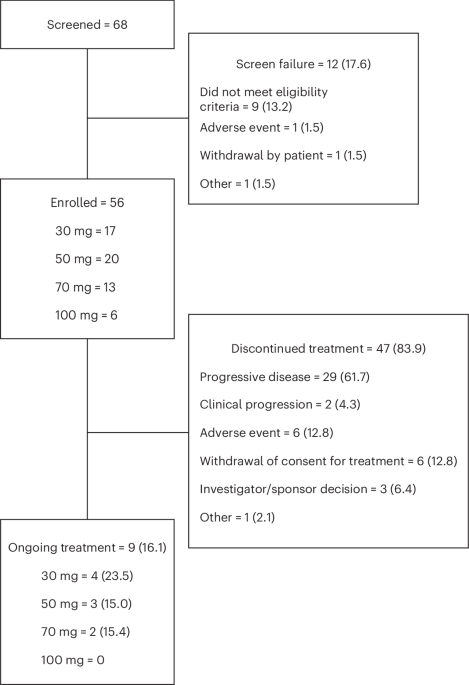
The trial, conducted across multiple cancer centers, enrolled approximately 24 patients in its initial dose-escalation phase, ultimately expanding to include around 30 patients with advanced cancers. Participants were required to provide written informed consent, and the study protocol received approval from institutional review boards (IRBs) at institutions including Mount Sinai, Dana-Farber Cancer Institute, and Memorial Sloan Kettering Cancer Center, among others. Central IRB approval was also obtained from Sarah Cannon Research Institute and other centers.
The study protocol, registered with ClinicalTrials.gov in July 2023 (NCT05929235), underwent several amendments during its course, all reviewed and approved by IRBs and communicated to patients. These amendments included adjustments to dosing schedules and the exploration of intermediate dose levels not initially specified in the protocol. As of amendment 6, the protocol outlined plans to explore 30mg and 50mg dose levels in part B of the study.
Eligibility criteria for participation were carefully defined. Patients were required to be at least 18 years old, have a performance status of 0, 1, or 2, and possess archival tumor samples or consent to a fresh biopsy. The trial focused on patients with locally advanced or metastatic solid malignancies that had progressed after standard therapies or for which no standard therapy existed. Screening laboratory values, including hematologic and clinical chemistry parameters, also had to meet specific criteria.
Exclusion criteria were similarly detailed, encompassing factors such as pregnancy, prior anticancer therapies within specified timeframes, previous PPARγ or RXRA inhibition, active infections, and certain cardiovascular or neurological conditions. Strict contraception requirements were in place for patients of childbearing potential.
The primary endpoints of the study were the incidence of dose-limiting toxicities (DLTs) and the incidence and severity of adverse events (AEs). Secondary endpoints included pharmacokinetic and pharmacodynamic data, objective response rate, duration of response, progression-free survival, and overall survival. Exploratory endpoints involved biomarker assessments and genomic analysis of tumor samples.
FX-909 was administered orally under fasted conditions, with initial cohorts receiving doses of 30mg, 50mg, 70mg, and 100mg. Dose escalation proceeded based on safety data, with the safety review committee (SRC) providing recommendations on dose adjustments. Safety assessments, including physical examinations, vital sign measurements, and laboratory tests, were conducted throughout the treatment period.
Pharmacokinetic analysis involved measuring FX-909 concentrations in blood samples, while pharmacodynamic assessments included paired skin punch biopsies to evaluate gene expression changes. Tumor tissue and circulating tumor DNA were also analyzed to identify potential predictive biomarkers of response.
The study’s statistical analysis plan was updated during its course to reflect protocol amendments and changes in study procedures. Safety analyses included summaries of AEs, SAEs, and DLTs. The Declaration of Helsinki, first adopted in 1964 by the World Medical Association, serves as a cornerstone document on human research ethics, guiding ethical considerations and decision-making in medical research globally. The document was most recently amended in October 2024.
The study is ongoing, with final analyses of endpoints such as duration of response, progression-free survival, and overall survival planned upon completion of the phase 1 trial.
