
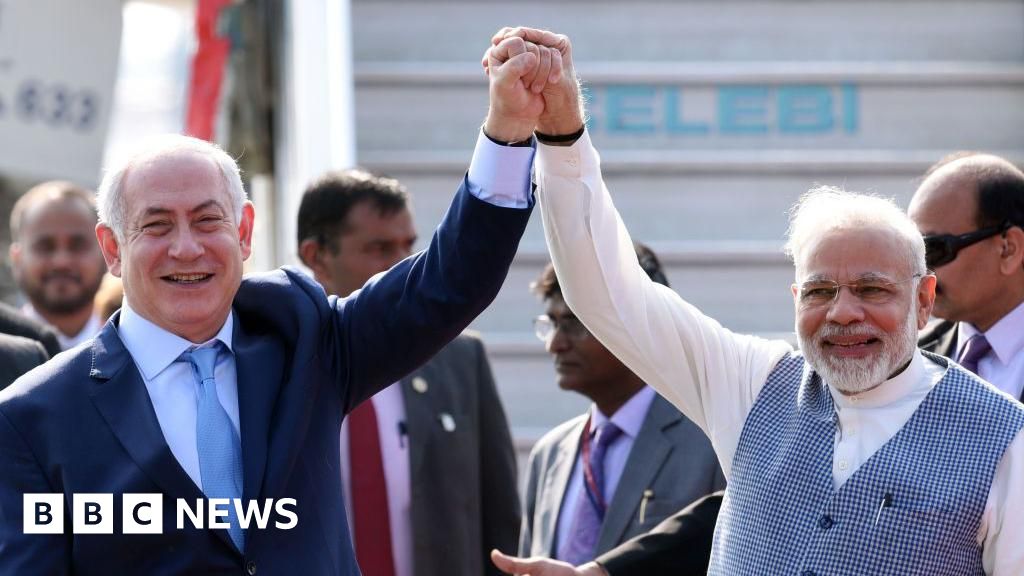
Prime Minister Narendra Modi is scheduled to begin a two-day visit to Israel on February 25, 2026, marking his second trip to the country and occurring nine years after his first in 2017.
The visit comes shortly after India, alongside over 100 other nations, condemned Israel’s expansion in the occupied West Bank, a move New Delhi initially hesitated to endorse. Despite this diplomatic positioning, India and Israel have significantly strengthened ties in recent years, particularly in the areas of defence, security, trade, and technology.
Trade between the two nations has experienced substantial growth, jumping from $200 million in 1992 to $6.5 billion in 2024, making Israel India’s second-largest trading partner in Asia, after China. This economic partnership is occurring alongside a shift in India’s foreign policy, with some observers noting a cooling towards the Palestinian cause despite decades of prior support for their pursuit of a sovereign nation.
Analysts suggest Modi’s visit holds particular significance given the limited number of leaders from the Global South who have travelled to Israel since the October 7, 2023 attack. Israeli Prime Minister Benjamin Netanyahu, addressing the Conference of Presidents of Major American Jewish Organisations in Jerusalem on February 15, highlighted the potential for expanded cooperation, stating India is “enormously powerful, enormously popular” with a population of 1.4 billion.
The deepening relationship is driven, in part, by India’s need to modernize its military capabilities. “India’s indigenous defence technology is still lagging on many fronts, especially as warfare becomes more automated and technology driven,” said Taneja. “Given tensions with Pakistan and China, India does not have the luxury of not seeking the best technological equipment, and Israel fits that requirement very well.”
This pursuit of advanced technology is unfolding against a complex geopolitical backdrop. In June 2025, India distanced itself from a Shanghai Cooperation Organisation (SCO) statement condemning Israel’s strikes on Iran, clarifying that it had not participated in the discussions. The SCO charter stipulates decisions are made by consensus, and India’s non-participation suggests a deliberate divergence from the positions of China, Russia, and Pakistan, all members of the organization.
Regional tensions remain high, with ongoing cross-border shelling between India and Pakistan along the Line of Control in Kashmir. The United States, China, and Russia are all monitoring the situation, aware of the risks associated with a potential escalation between two nuclear-armed states. China, a key ally of Pakistan and a rival of India, expressed regret over recent missile strikes although simultaneously denouncing terrorism.
