
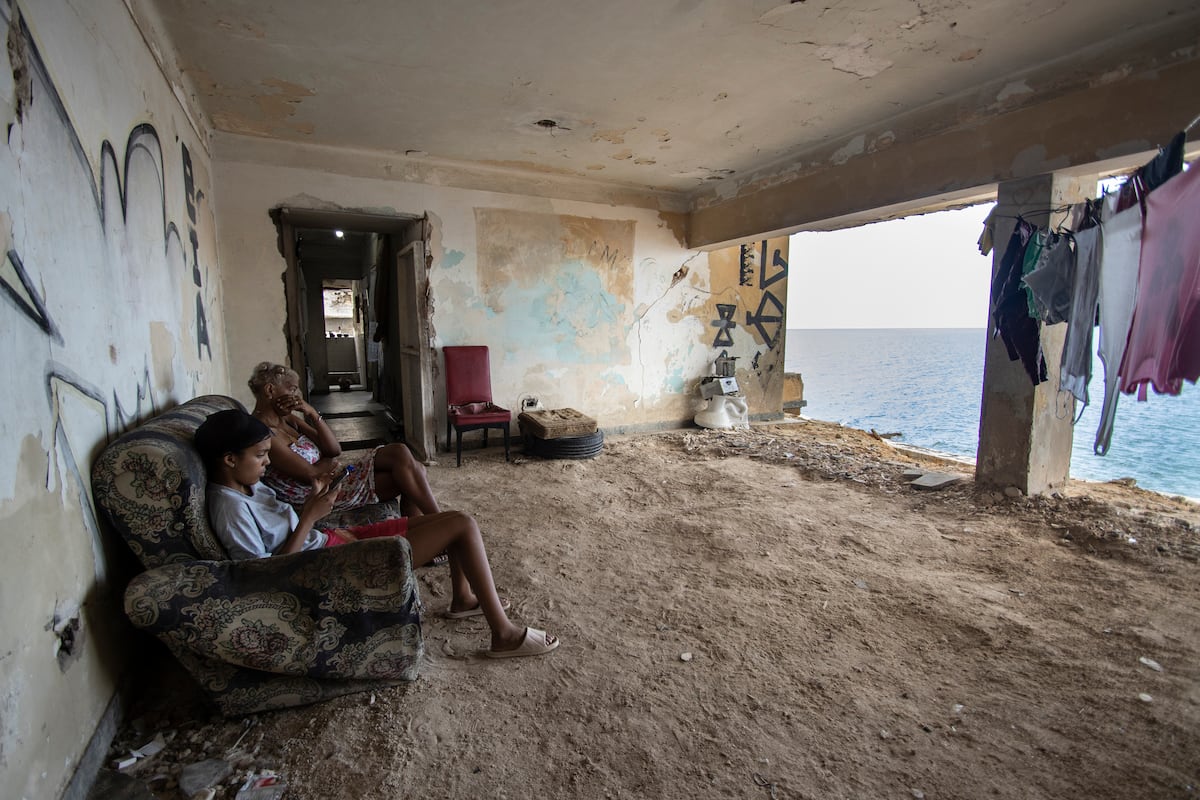
Havana is choked by the smell of burning garbage as a U.S.-imposed fuel crisis deepens, leaving streets largely empty and a pervasive silence hanging over the city. The once-bustling Malecón, a seaside promenade, is now sparsely populated, the harbor devoid of most vessels. Cubans are increasingly focused on simply surviving, a daily struggle compounded in recent weeks by threats of further sanctions from the U.S. Government.
“If you don’t have your suitcase packed yet, pack it,” Mike Hammer, the U.S. Chargé d’Affaires in Havana, reportedly told staff at a recent embassy meeting, according to a source present. The comment reflects growing anxieties within the diplomatic community about the escalating tensions between Washington and Havana. Hammer, who assumed his post in November 2024, likewise referenced the decades-long U.S. Embargo, calling it a “blockade” – a term favored by the Cuban government – and warned that a “real blockade” was coming, with no fuel entering the country.
The situation has dramatically impacted transportation. Taxis are increasingly scarce and expensive as drivers ration dwindling gasoline supplies. The same holds true for the iconic almendrones – vintage American cars used as collective taxis – government-run buses, three-wheeled cocotaxis, bicycle taxis, motorcycles, and even horse-drawn carriages. Commuting to work, medical appointments, or even grocery shopping now requires walking long distances or waiting indefinitely for available transport, often for 15 minutes to an hour or more.
“The old people say they haven’t seen anything like this in Cuba before,” said a 20-year-old woman after a half-hour wait for a ride finally secured her a spot in a crowded 1950s Chevrolet. “If things are just 5% better, that’s something.”
Information remains scarce. There has been no official confirmation of negotiations between the U.S. And Cuba, and the terms of any potential resolution are unknown. Cubans are left to speculate about the future, fearing a humanitarian crisis, a change in government, a gradual transition, or even foreign intervention.
Beyond the immediate transportation crisis, the energy squeeze is impacting multiple sectors. The U.S. Seizure of Venezuelan oil shipments, following the capture of Venezuelan President Nicolás Maduro and his transport to the United States for trial, has exacerbated the situation. The lack of fuel is also affecting food supplies, with prices for basic goods like chicken soaring. Pharmacies are reportedly empty, lacking even essential items like bandages, offering only herbal remedies instead.
The U.S. Embassy in Havana, which resumed full diplomatic ties in 2015 after decades of strained relations dating back to the 1961 severance of relations under President Dwight D. Eisenhower, remains a focal point of the crisis. The building, originally constructed in 1953, once housed the U.S. Interests Section under the auspices of the Swiss Embassy during a period when full diplomatic relations were suspended.
The atmosphere is one of growing frustration, particularly among those working in sectors directly affected by the crisis. Even as open criticism of the Cuban government carries significant risk – two members of the online collective El Cuartico were recently imprisoned for expressing political opinions on Instagram – a sense of urgency for change is palpable. “It has to be a change,” said a vendor at the Mercado de Artesanías, a craft market intended for cruise ship tourists. “I feel like this is the complete of the movie, the country is paralyzed, we can’t continue like this.”
The energy crisis is also fueling a renewed interest in emigration. Since 2021, Cuba has experienced a significant exodus, particularly among young people. Many are now pursuing Spanish citizenship through the Ley de Memoria Democrática, or “Grandchildren’s Law,” waiting in long lines at the Spanish consulate in Havana. “I love Cuba, but this is chaos,” said a young professor who is finalizing his application for Spanish citizenship. He is currently sleeping at the school where he teaches due to the long commute and limited resources.
Despite the hardships, a sense of resilience persists. “We acquire up without electricity and go to bed without electricity,” said a young mother, struggling to provide for her daughter. “We have to keep inventing,” she said, using the Cuban slang for finding ways to cope.
At the Hotel Nacional de Cuba, a five-star landmark, authorities are relocating tourists from other establishments facing closure due to fuel shortages. While the hotel maintains a semblance of normalcy – with live music, functioning air conditioning, and available transportation – it stands in stark contrast to the struggles unfolding elsewhere in the city. The hotel is attempting to optimize resources, according to a receptionist, as revenues decline.
