
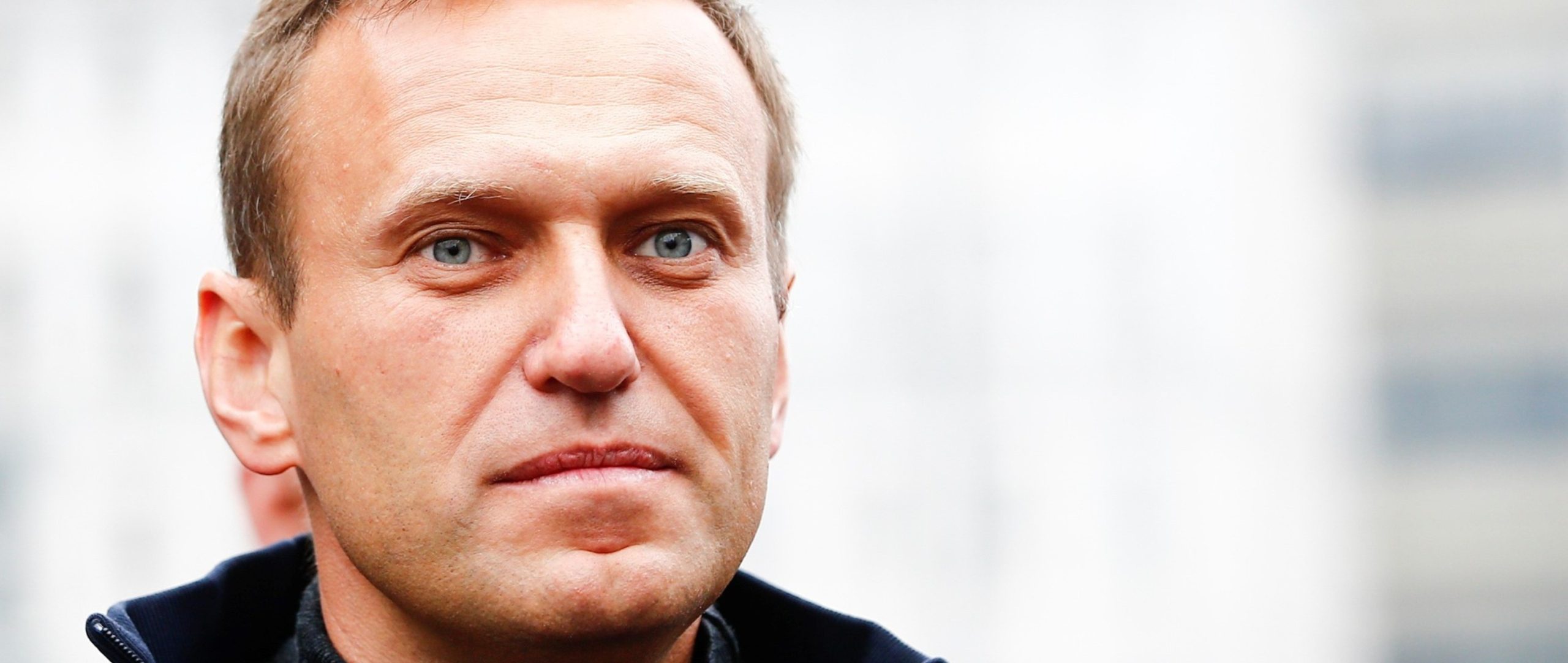
Two years after the death of Russian opposition leader Alexei Navalny in a remote Arctic penal colony, Amnesty International has accused the Russian authorities of escalating their crackdown on his supporters and attempting to conceal the circumstances of his death. The organization cited fresh findings indicating Navalny was killed by the highly toxic substance epibatidine.
“While the Russian authorities continue to evade accountability, the truth has not been buried,” said Agnès Callamard, Amnesty International’s Secretary General, in a statement commemorating the second anniversary of Navalny’s death on February 14th. “On the contrary, the latest revelations indicating that Navalny was killed by the highly toxic substance epibatidine show that attempts to conceal the circumstances of his death have failed.”
The findings regarding epibatidine align with a joint announcement made by France, Germany, the Netherlands, Sweden, and the UK, based on a multi-intelligence inquiry. The countries stated that the Russian state had the means, motive, and opportunity to deploy the toxin, which is prohibited under the Chemical Weapons Convention and the Biological and Toxin Weapons Convention, both binding on Russia. The UK has referred the matter to the Organisation for the Prohibition of Chemical Weapons.
Callamard emphasized the courage of those within Russia who preserved and made available critical evidence for forensic examination, despite extraordinary risks. She stated that Navalny’s friends and colleagues “secured what was necessary to unveil the truth when Putin tried to bury it.”
Amnesty International reports that the Russian authorities are attempting to dismantle the movement Navalny created by criminalizing his Anti-Corruption Foundation (FBK), prosecuting his supporters, and suppressing any expressions of remembrance. In the past year, several key figures associated with Navalny have received lengthy prison sentences. These include Navalny’s lawyers, Aleksei Liptser, Vadim Kobzev, and Igor Sergunin, as well as media professionals Antonina Favorskaya, Sergei Karelin, Konstantin Gabov, and Artyom Kriger.
According to Amnesty International, Russian courts considered at least 79 criminal cases in 2025 related to alleged donations to the FBK, which has been designated as both an “extremist” and a “terrorist” organization. This represents a significant increase from previous years – two cases in 2022, four in 2023, and 27 in 2024. At least 96 individuals were prosecuted in 2025 for donations ranging from approximately $1.30 to $180, with some receiving prison sentences of up to 12 years. Official statistics on these cases are not publicly available.
Callamard called for the immediate and unconditional release of all those imprisoned for their association with Navalny or his work, and for Russia to cease abusing “extremism” and “terrorism” legislation to persecute peaceful critics. She as well urged states and international organizations to publicly raise individual cases, support international monitoring and accountability efforts, and provide international protection, including asylum, to Navalny’s supporters facing politically motivated prosecution in Russia.
