
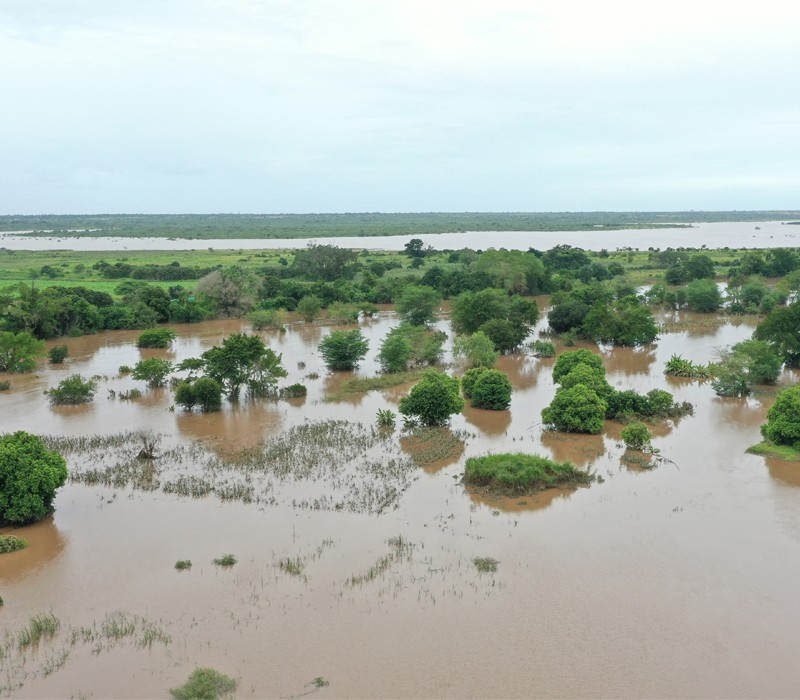
A fresh study published in Nature projects that climate change could lead to more than 500,000 additional deaths from malaria in Africa by 2050, alongside over 100 million additional cases of the disease. The research, released January 29, 2026, indicates that extreme weather events, rather than gradual temperature increases, are the primary driver of this projected surge.
The study, which integrates 25 years of African data on climate, malaria burden, control measures, socioeconomic factors and extreme weather, estimates that between 2024 and 2050, climate change could result in 123 million (with a projection range of 49.5 million to 203 million) additional malaria cases across the continent. Researchers attribute 79% of these additional cases, and 93% of the projected 532,000 (ranging from 195,000 to 912,000) additional deaths, to disruptions caused by extreme weather.
These disruptions include interruptions to malaria treatment programs and damage to housing, particularly from flooding. The findings challenge the prevailing focus on the ecological effects of climate change on malaria transmission, highlighting the vulnerability of existing malaria control systems. According to the research, the majority of increased cases will occur in areas already endemic to malaria, rather than in previously unaffected regions.
The World Health Organization estimated 610,000 malaria deaths globally in 2024, with Africa accounting for 95% of all cases, and deaths. Children under the age of five comprised three-quarters of all malaria fatalities in Africa during that year. The malaria parasite is transmitted to humans through the bites of mosquitoes, which thrive in temperatures around 29°C and require stagnant water to breed.
Researchers emphasize the urgent need for climate-resilient malaria control strategies and robust emergency response systems. The study authors noted that current literature often overlooks the existing fragility of malaria prevention and treatment systems in Africa, and the extent to which climate factors already shape malaria risk. They advocate for strengthening primary healthcare infrastructure to withstand extreme weather events.
A scoping review of literature published in the Journal of Public Health in Africa in August 2025, further underscored the disproportionate impact of climate change on Africa due to its limited adaptive capacity and socio-environmental vulnerabilities. The review confirmed that climate change influences malaria transmission by altering vector behavior, parasite life cycles, and environmental conditions.
As of February 14, 2026, the WHO has not issued a formal response to the Nature study, and no announcements have been made regarding revisions to existing malaria control policies or funding allocations to address climate-related risks.
