
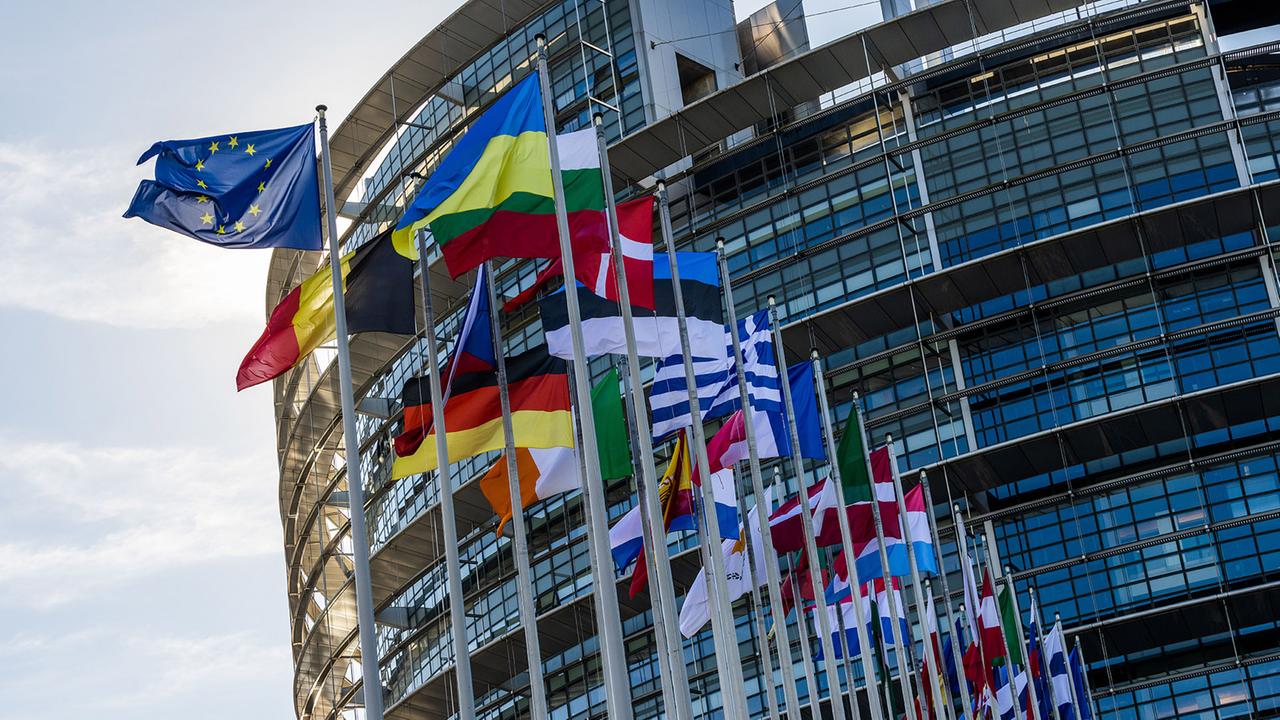
The European Parliament has approved a €90 billion aid package for Ukraine, concluding months of debate over financial support for the country as it defends against Russia’s ongoing invasion. The vote, held on Thursday, passed with 458 votes in favor and 140 against, paving the way for substantial financial assistance over the next two years.
Of the total sum, €60 billion is earmarked for defense-related expenditures, while the remaining €30 billion will serve as budgetary assistance for Kyiv. The approval follows a week of intense negotiations among EU member states regarding the conditions attached to the loan, and now requires formal ratification by the Council of the European Union – a step considered largely a formality given the prior agreement on the loan’s terms.
The agreement on the aid package was reached after protracted discussions, particularly concerning the implementation of a “Buy European” clause. France initially advocated for stringent requirements to prioritize bolstering the EU’s own defense industry, while other member states cautioned that overly restrictive procurement rules could hinder Ukraine’s ability to acquire necessary weaponry and ammunition efficiently.
the compromise reached stipulates that Ukraine can only purchase arms from outside the EU – such as from the United States – if equivalent supplies are unavailable within the European market or cannot be delivered in a timely manner. This provision is expected to allow for the continued procurement of critical systems like US-made Patriot air defense systems, which are currently considered indispensable for Ukraine’s air defense capabilities, according to officials familiar with the discussions.
The agreement also allows for procurement from countries with special partnership status, provided they contribute to the costs of the novel Ukraine loan facility. This clause was specifically designed to accommodate the United Kingdom, which has been a strong supporter of Ukraine.
The loan itself will be financed through borrowing on the capital markets at favorable rates. Repayment by Ukraine is contingent upon Russia making reparations for the damages caused by the war, following a potential resolution to the conflict. The EU intends to utilize frozen Russian assets to facilitate repayment should Moscow fail to provide adequate compensation for war-related damages.
NATO Secretary General Jens Stoltenberg, speaking at a meeting of defense ministers on Thursday, emphasized the continued resilience of the Ukrainian people in the face of Russian aggression, stating that Putin is “trying to break the Ukrainian people – they will not be broken.” The meeting, described by UK Defence Secretary Grant Shapps as “unlike any other,” underscores the heightened focus on bolstering support for Ukraine among NATO allies.
Recent developments on the battlefield have highlighted Ukraine’s continued need for assistance. Reports indicate Ukrainian forces have made advances in the Zaporizhzhia region, aided by the disruption of Russian troops’ access to Starlink satellite internet services, according to a NATO official. Intelligence assessments, however, suggest that Russia does not currently possess the capacity to launch an attack against NATO this year, but is actively working to strengthen its own military forces.
