
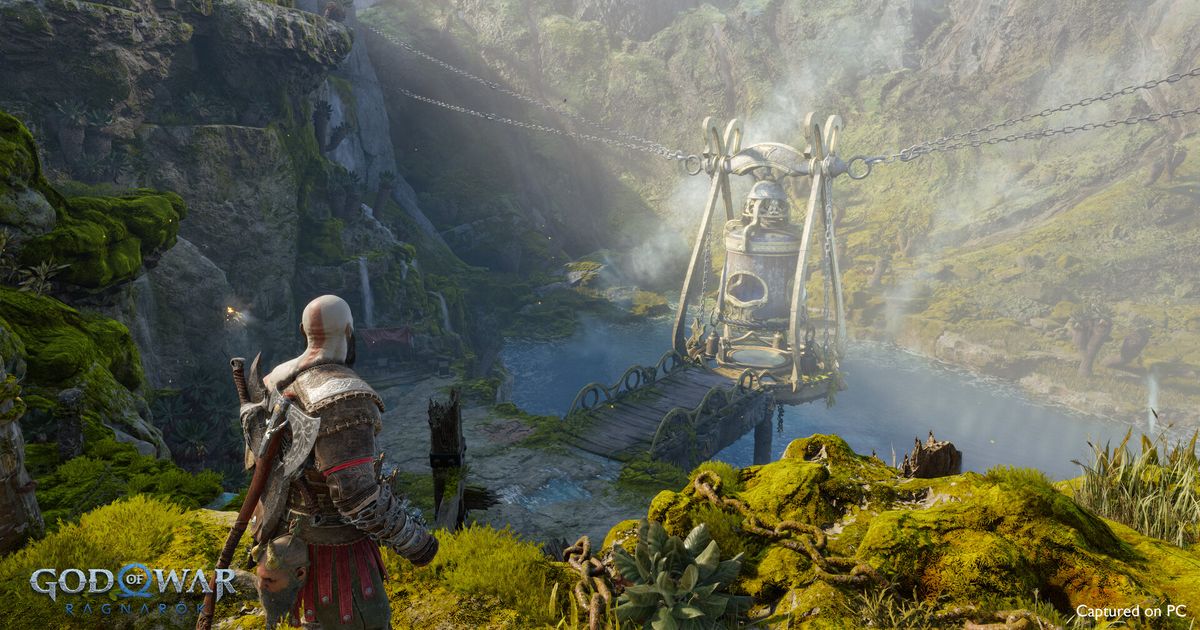
Sony Interactive Entertainment is reportedly considering a multiplatform release for a rumored 2.5D God of War spin-off, potentially bringing the franchise to the Nintendo Switch 2 alongside the PlayStation 5. The possibility emerged from comments made by industry insider NateTheHate, responding to questions about the project on X, formerly known as Twitter.
NateTheHate, known for accurately predicting announcements such as the date of the Nintendo Partner Showcase and the recent PlayStation State of Play, stated that when initial discussions about the 2.5D God of War game began last year, “whispers” circulated regarding a potential multiplatform release. He cautioned, however, that he does not realize if those initial considerations evolved into a firm plan.
The rumored spin-off is described as a Metroidvania-style game, potentially serving as a bridge between God of War Ragnarök and a future main installment in the series. Reports suggest the game could be a prequel set in Ancient Greece, the setting of the original God of War trilogy. Development is said to be led by Mega Cat Studios, with Santa Monica Studio, the primary developer of the main God of War titles, in a supervisory role.
This potential shift in Sony’s release strategy would represent a departure from the traditionally PlayStation-exclusive nature of the God of War franchise. However, Sony has recently demonstrated a willingness to release titles on competing platforms. In November 2024, Lego Horizon Adventures launched on PlayStation 5, Nintendo Switch and PC.
The possibility of a multiplatform release is being discussed as Sony prepares for a State of Play presentation on February 12, 2026. Industry observers speculate that an announcement regarding the God of War spin-off could be made during the event. Another insider indicated that Sony Santa Monica’s next project may be showcased at the presentation.
The 2.5D God of War project has been assessed as “Probable” with a 75% confidence level, based on source credibility, corroboration, technical feasibility, and timeline analysis. The assessment, reported by Wccftech, indicates strong evidence supporting the game’s development, but leaves the platform exclusivity question open.
