
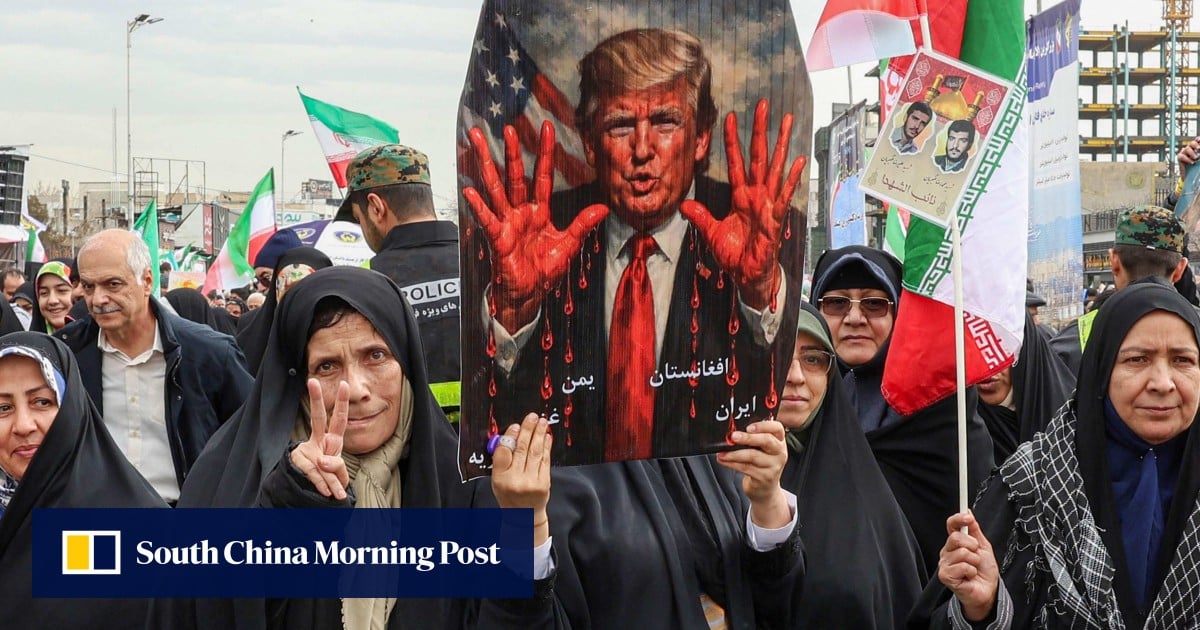
US President Donald Trump has signaled a willingness to continue negotiations with Iran regarding its nuclear program, a shift in tone that comes amid growing regional anxieties and intensive diplomatic efforts to avert further conflict. The development, confirmed by multiple sources, appears to represent a departure from previous administration rhetoric that emphasized regime change in Tehran.
Trump’s stance was communicated directly to Israeli Prime Minister Benjamin Netanyahu during a meeting at the White House on Wednesday, according to a report from The Times of Israel. Trump reportedly told Netanyahu that the current nuclear talks “are different” from previous iterations, and that Netanyahu “wants a good deal” with Iran. This suggests a divergence in perspectives between the two leaders, as Netanyahu has consistently advocated for a harder line against Iran and has reportedly sought to influence the parameters of any renewed negotiations.
The shift in Washington’s approach coincides with a period of heightened tension in the region. In June, Israel and Iran engaged in a 12-day conflict, underscoring the potential for escalation. Netanyahu has expressed concerns that any agreement with the US would not adequately address Iran’s capacity to threaten Israel. According to reports, he attempted to persuade Trump to adopt “our views regarding the principles for the negotiations,” but was rebuffed.
Alongside the direct engagement between the US and Iran, diplomatic initiatives led by Gulf monarchies and Turkey have been underway to de-escalate tensions. These efforts appear to have contributed to a reassessment of strategy within the Trump administration. US Vice-President J.D. Vance, speaking in Azerbaijan on Wednesday, stated that the administration’s focus is now on preventing Iran from acquiring nuclear weapons. “If the Iranian people aim for to overthrow the regime, that’s up to them,” Vance said, signaling a move away from actively pursuing regime change and a focus on containing Iran’s nuclear ambitions.
However, the path forward remains uncertain. Iran has ruled out broader talks with the United States, as reported by NBC News, even as Trump has hinted at the possibility of deploying a second aircraft carrier to the region. This suggests a continued reluctance on the part of Tehran to engage in comprehensive negotiations with Washington. Trump has also issued warnings to Iran, threatening “something very tough” if US demands are not met, according to Al Jazeera.
The evolving situation is further complicated by the ongoing crackdown on protests within Iran. While the US administration has expressed concern over the suppression of dissent, Vance’s comments indicate a prioritization of the nuclear issue over direct intervention in Iranian internal affairs. Trump’s willingness to continue nuclear talks, despite these concerns, suggests a pragmatic calculation aimed at preventing a wider regional conflict.
As of Thursday, February 12, 2026, no further meetings between US and Iranian officials have been publicly scheduled. The State Department has not issued a statement regarding the specific parameters of the ongoing negotiations, and the Iranian government has maintained its position against broader talks.
