
Genetic Study Reveals Diverse Variation Within Hispanic Populations in Mexico
Researchers analyzing data from the Mexican Biobank uncovered significant genetic diversity among Hispanic populations within Mexico. This study, published in Nature Medicine on January 29, 2026, highlights the importance of considering this diversity in clinical genetics and precision medicine. https://doi.org/10.1038/s41591-025-04100-z
Understanding Genetic Diversity
Hispanic/Latino individuals represent a rapidly growing demographic group in the United States and globally. However, genetic studies often underrepresent this population, leading to gaps in our understanding of disease risk and treatment response. The term “Hispanic” encompasses a wide range of ancestral backgrounds, and genetic variation within this group is considerable. Ignoring this variation can hinder the development of effective healthcare strategies.
The Mexican Biobank Study
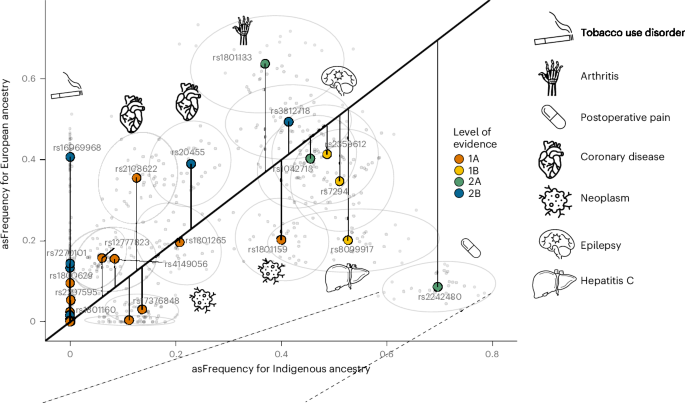
The study led by Barberena-Jonas et al. analyzed genomic data from a large cohort within the Mexican Biobank, a national initiative aimed at collecting biological samples and health information from a diverse Mexican population.Researchers focused on clinically relevant genetic variants – those known to influence disease susceptibility or drug metabolism. They identified significant differences in the frequency of these variants across different regions and self-identified ancestral groups within Mexico.
Key Findings
- Ancestral Differences: The study revealed a strong correlation between genetic variation and self-reported ancestry. individuals identifying with Indigenous American, European, or African ancestry exhibited distinct genetic profiles.
- Pharmacogenomic Implications: researchers identified variants impacting drug metabolism, suggesting that standard drug dosages may not be optimal for all individuals within Hispanic populations. This underscores the need for pharmacogenomic testing to personalize medication regimens.
- Disease Risk: The study pinpointed genetic variants associated with increased risk for common diseases, including diabetes, cardiovascular disease, and certain cancers. These findings can inform targeted screening and prevention efforts.
- Novel Variants: The research team discovered previously unreported genetic variants unique to Mexican populations, expanding our understanding of the human genome.
Implications for Precision Medicine
The findings emphasize the necessity of incorporating genetic ancestry into clinical practice. Precision medicine, which tailors treatment to an individual’s genetic makeup, holds immense promise for improving healthcare outcomes. However, realizing this potential requires extensive genomic data from diverse populations.
“This study provides a crucial foundation for developing more equitable and effective healthcare for Hispanic individuals,” explains Dr.[Hypothetical Expert Name], a geneticist not involved in the study. “By understanding the unique genetic landscape of these populations, we can move towards personalized treatments that maximize benefits and minimize risks.”
Future Directions
Researchers plan to expand the Mexican Biobank to include even larger and more diverse cohorts. Further studies will investigate the functional consequences of the identified genetic variants and explore their interactions with environmental factors. The ultimate goal is to translate these findings into actionable clinical guidelines that improve health outcomes for Hispanic populations worldwide.
