
Hands Off Latin America: US Intervention and Regional Resistance
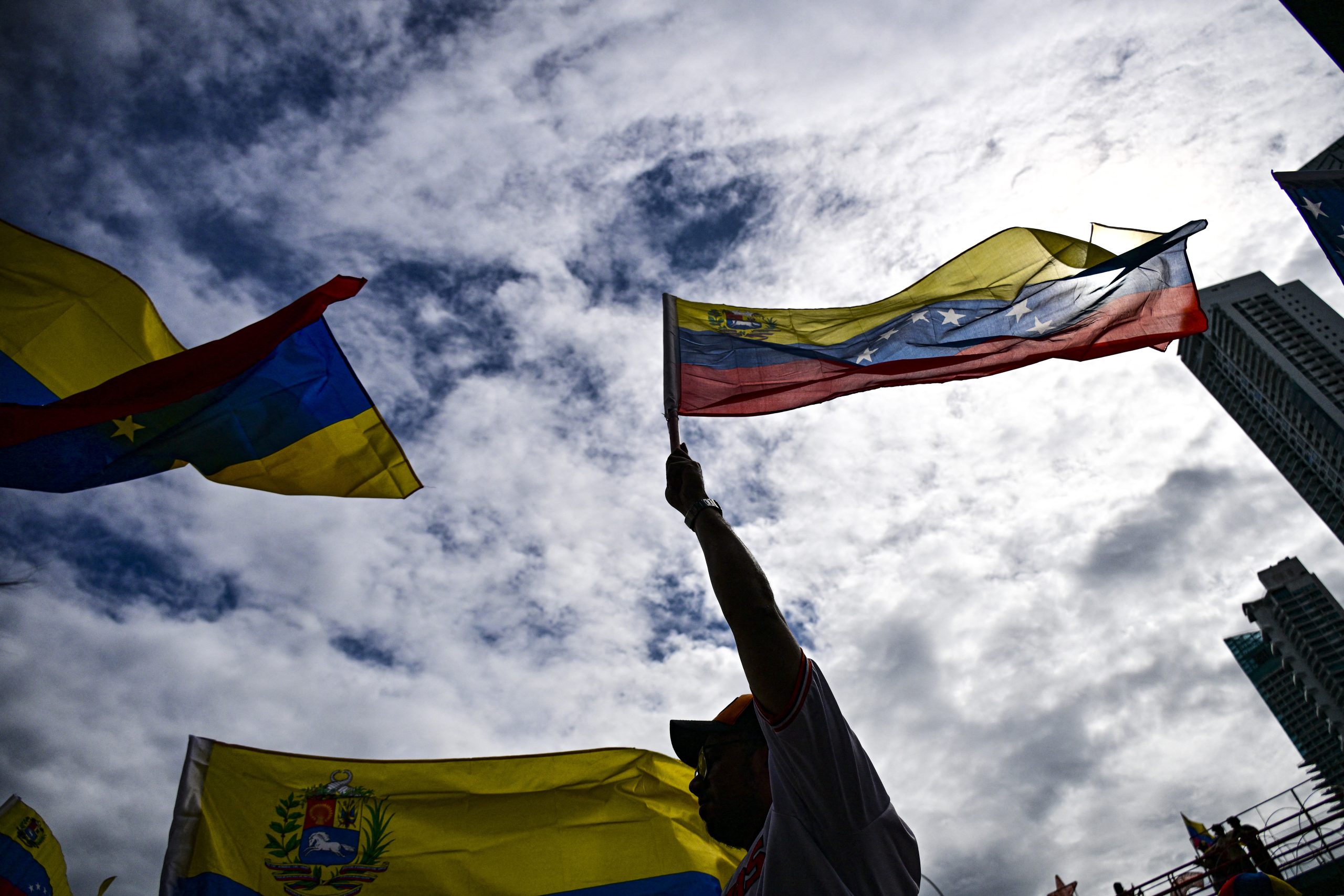
Thousands have marched against the US invasion of Venezuela, and leaders across Latin America are voicing opposition to US interventionism. The situation has escalated as former President Trump has threatened military action not only in Venezuela but also in Cuba, Colombia, and Mexico, raising concerns about a resurgence of US dominance in the region.
This report delves into the global response to the US invasion of Venezuela, examining the threats made by the Trump governance to neighboring countries, and highlighting the individuals and movements resisting US influence both within the United States and internationally.
The Invasion of Venezuela and its Aftermath
On January 3, the United States unilaterally invaded Venezuela, kidnapping President Nicolás Maduro and his wife with the intention of bringing them to the US to face drug trafficking charges. This act, a breach of international law, marked the frist such military intervention by the US in Latin America as the 1989 invasion of Panama. Trump’s immediate post-invasion statements signaled a willingness to continue military action if deemed necessary, setting a concerning precedent for the region.
The invasion has sparked widespread protests, not only in Venezuela but also across the US, Europe, and Latin America. Demonstrators have condemned the action as an affront to sovereignty and a risky escalation of US foreign policy. In Rio de Janeiro, protesters burned the American flag, while in Mexico City, thousands marched under a banner proclaiming “Down with the Monroe Doctrine.”
Regional Condemnation and Resistance
Leaders throughout latin America have strongly denounced the US invasion.Mexican President Claudia Sheinbaum unequivocally rejected intervention in the internal affairs of other countries, emphasizing the importance of self-determination and sovereignty. Presidents of Brazil, Chile, Colombia, and Cuba also voiced their opposition. Former Bolivian President Evo Morales, on X (formerly Twitter), labeled Trump the “new Hitler of the world.”
Barbados has emerged as a vocal critic of the US military’s actions in the Caribbean, with Prime Minister Mia Mottley expressing concern over the increasing military presence and the potential for extrajudicial killings. She emphasized the need for peace and respect for international law.
However, not all nations have condemned the US actions. Trinidad and Tobago,under Prime Minister Kamla Persad-Bissessar,has expressed support for the US military presence,citing concerns about drug trafficking.This division within the region highlights the complex geopolitical dynamics at play.
Beyond Venezuela: Threats to Cuba,Colombia,and Mexico
Trump’s threats extend beyond Venezuela. He has explicitly warned Cuba, suggesting its government should be concerned, and has criticized Colombia’s President Gustavo Petro, hinting at potential repercussions. Mexico is also in the crosshairs, with trump expressing dissatisfaction with its approach to drug trafficking.
These threats are rooted in trump’s “Donroe Doctrine,” a reinterpretation of the Monroe Doctrine that asserts US dominance in the Western Hemisphere. As Rafael Ioris, an associate professor of Latin American history at the University of Denver, explains, this doctrine reflects a belief in a world of unequal powers where the strong have the right to act in their own interests.
The US military Escalation and “Narco-Terrorism”
The US has been conducting lethal strikes against alleged drug boats in the Caribbean and Pacific, resulting in over 120 deaths as September. These actions have been criticized for lacking openness and due process, with concerns raised that the victims were simply fishermen. The justification for these strikes, framed as a fight against “narco-terrorism,” has been questioned by many.
The US military buildup and aggressive tactics are raising fears of a wider conflict and a return to a more interventionist US foreign policy in Latin America. the situation is further complicated by the US’s declining global influence and its attempts to reassert dominance in its customary sphere of influence.
The Role of the United States at Home
The situation is further complicated by domestic issues within the United States. The ICE raids have detained tens of thousands of people, largely targeting Latin American workers and families. 2025 was the deadliest year for people in ICE detention in two decades. The shooting of activist Renee Good in Minneapolis has sparked protests in outrage across the country.
Looking Ahead: A Region at a Crossroads
The current situation presents a critical juncture for Latin America. The region is facing increasing pressure from the US,but also witnessing a growing wave of resistance. The ability of Latin American nations to unite and assert their sovereignty will be crucial in navigating this challenging period.
As Camila Feix Vidal, an international relations professor at the Federal University of Santa Catarina, brazil, notes, the US’s actions are accelerating the decline of its hegemony and creating a power vacuum that other nations, such as China, are eager to fill.
The future of US-Latin American relations remains uncertain. Though, one thing is clear: the region is no longer willing to passively accept US dominance. The awakening of a collective resistance, as described by Gilma camargo, a Panamanian lawyer, suggests a new era of assertiveness and a determination to chart its own course.
Sources:
