
Medicaid Expansion Under the Affordable Care Act: A Extensive Update (2026/01/20 08:28:27)
The Affordable Care Act (ACA) has dramatically reshaped the landscape of healthcare access in the United States, and a cornerstone of that transformation is the Medicaid expansion. This expansion has extended health coverage to millions of Americans,notably those with lower incomes. As of early 2026, the program continues to evolve, with ongoing debates and varying levels of adoption across states. This article provides a detailed overview of the Medicaid expansion, its impact, current status, and future outlook.
Understanding the Medicaid Expansion
Prior to the ACA,Medicaid eligibility was largely limited to specific categories of individuals,such as children,pregnant women,seniors,and people with disabilities. The ACA aimed to broaden this access by expanding Medicaid coverage to nearly all adults with incomes up to 138% of the Federal Poverty Level (FPL). For 2025, this translates to an income of $21,597 for an individual as defined by the Department of Health and Human Services. This income threshold is adjusted annually to reflect changes in the FPL.
A key component of the expansion is the enhanced Federal Medical Assistance Percentage (FMAP). This means the federal government initially covers a significant portion of the costs associated with newly eligible individuals, gradually decreasing over time.This financial incentive was designed to encourage states to participate in the expansion.
The Benefits of Medicaid Expansion
The Medicaid expansion has yielded numerous benefits, including:
- increased Health Coverage: Millions more americans have gained access to health insurance, leading to improved health outcomes.
- Reduced Uninsured Rates: Expansion states have experienced significant declines in their uninsured populations.
- Improved Access to Care: Expanded Medicaid has facilitated greater access to preventative care, chronic disease management, and other essential health services.
- Financial Security: Coverage reduces the risk of medical debt, which can be a major cause of bankruptcy.
- Economic impact: The expansion has created jobs in the healthcare sector and stimulated economic activity in participating states.
Current Status of Medicaid Expansion (Early 2026)
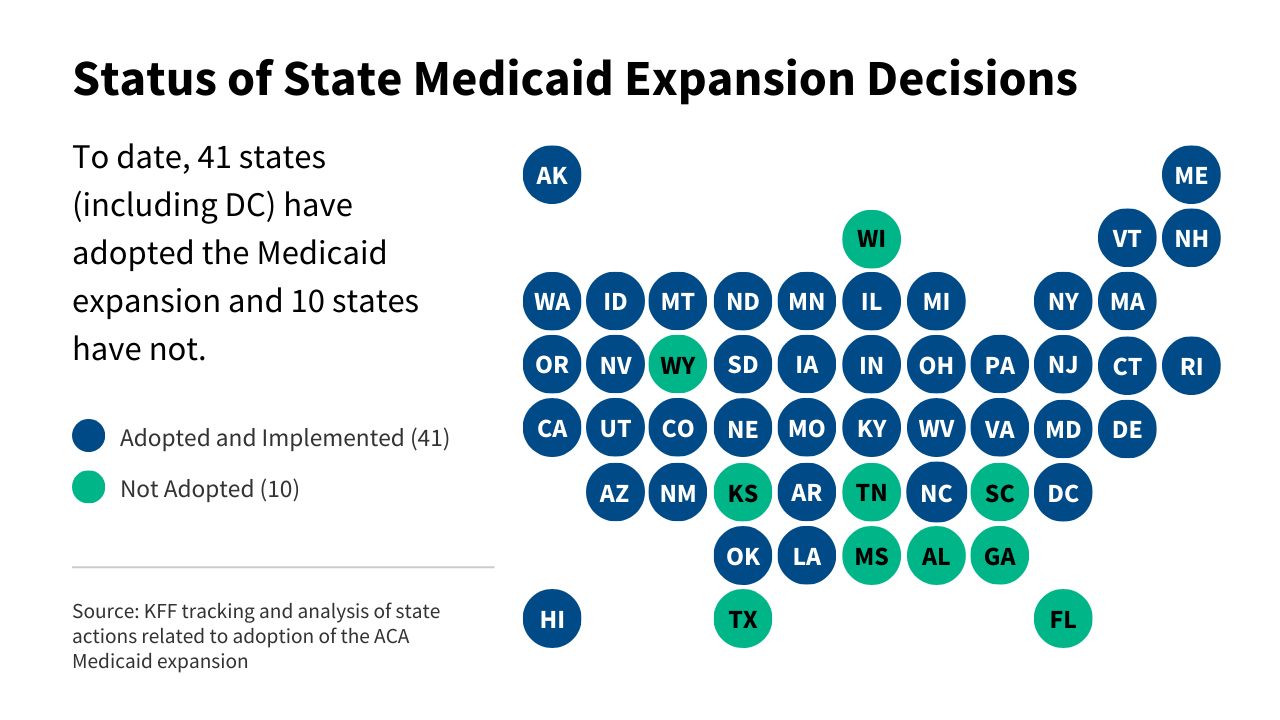
As of early 2026,41 states and the District of Columbia have adopted the Medicaid expansion. This represents a significant increase since the ACA was first enacted, but a significant gap remains. Ten states have not yet expanded Medicaid.
The decision to expand Medicaid has been a complex one for states, often involving political considerations alongside financial and logistical challenges. States that have not expanded frequently enough cite concerns about the long-term financial sustainability of the program, despite the initial generous federal funding.
States That Have Expanded medicaid
The following states (as of January 20, 2026) have expanded Medicaid under the ACA:
- Arizona
- Arkansas
- California
- Colorado
- Connecticut
- Delaware
- District of columbia
- Hawaii
- Illinois
- Indiana
- Iowa
- Kentucky
- Louisiana
- Maine
- Maryland
- Massachusetts
- Michigan
- minnesota
- Missouri
- Montana
- Nevada
- New Hampshire
- New Jersey
- New Mexico
- New York
- North Carolina
- North Dakota
- Ohio
- Oregon
- Pennsylvania
- Rhode island
- South Dakota
- Tennessee
- Vermont
- Virginia
- Washington
- West Virginia
- Wisconsin
- Wyoming
States That Have Not Expanded Medicaid
The following states have not expanded medicaid as of January 20, 2026:
- Alabama
- Florida
- Georgia
- Kansas
- Mississippi
- North Carolina
- Oklahoma
- South Carolina
- texas
- Wisconsin
Note: State status is based on KFF tracking and analysis of state expansion activity.
The Future of Medicaid Expansion
The future of Medicaid expansion remains uncertain, particularly in states that have not yet adopted it. Ongoing political debates and potential changes to federal healthcare policy could impact the program’s trajectory. though, the demonstrated benefits of expansion – increased coverage, improved health outcomes, and economic stimulus – continue to build momentum for broader adoption.
furthermore, the COVID-19 pandemic highlighted the critical role of Medicaid in providing a safety net for vulnerable populations. The temporary increase in federal funding during the pandemic underscored the program’s importance in ensuring access to care during times of crisis.
Key Takeaways
- The ACA’s Medicaid expansion has considerably broadened health coverage in the United States.
- 41 states and the District of Columbia have adopted the expansion as of early 2026.
- The expansion has yielded substantial benefits, including increased access to care, reduced uninsured rates, and improved financial security.
- The future of Medicaid expansion will likely be shaped by ongoing political debates and federal healthcare policy changes.
