
Venezuela Releases Journalists Amidst Shifting Political Landscape
Caracas, Venezuela – January 19, 2026 – A wave of prisoner releases is sweeping across Venezuela, offering a glimmer of hope for press freedom and political reconciliation. As of Wednesday, the National Union of Press Workers (SNTP) reported that 19 journalists have been released from custody [1], marking a notable development spearheaded by the government under Delcy Rodríguez amidst ongoing dialogues with the United States. However, concerns remain, with five journalists still imprisoned and accusations of politically motivated detentions persisting.
A Shift in tactics: Releases and Remaining Concerns
The releases follow an announcement by Jorge Rodríguez, the President of Parliament and brother to the acting president, of a “significant number” of individuals set for liberation. The SNTP had initially documented 24 detained journalists, and the recent excarcerations represent a substantial step towards addressing long-standing concerns regarding freedom of the press in Venezuela.Despite the positive development, the SNTP confirms that five journalists remain in detention, including prominent opposition figure and former legislator Juan Pablo Guanipa, a close ally of Nobel laureate María Corina Machado [2].
Human rights organization espacio Público has echoed these concerns, identifying Juan francisco Alvarado, Locenis García, and Rory branker as individuals who should be promptly released, deeming their detentions unjust. The broader context of these releases comes as Venezuela navigates a complex geopolitical situation, including recent tensions with the United States and a push for internal political dialog.
Profiles in Courage: Released Journalists and Their Stories
Among those recently released is Roland Carreño, a journalist and activist from the Voluntad Popular (Popular Will) opposition party. Carreño was initially detained on August 2, 2024, following the contested presidential elections where Nicolás Maduro was declared the winner – a result vehemently rejected by the opposition. This wasn’t Carreño’s first encounter with imprisonment; he was previously arrested in October 2020 on charges including terrorism financing and arms trafficking, only to be released in October 2023 as part of negotiations between the government and the Unitary Democratic Platform (PUD) in Barbados.
In a video shared by local media outlet la Verdad de Vargas,Carreño expressed hope that future events would foster reconciliation and peace. He emphasized the need for the release of all political prisoners, stating, “It’s not good or healthy for a country to have political prisoners.”
Joining Carreño in regaining their freedom are Yorbin García, Víctor Ugas, Gabriel González, Julio Balza, Carlos Marcano, Nakary Mena Ramos, Gianni González, Omario Castellanos, Carlos Lesma, Rafael García, leandro Palmar, Luis López, Belises Cubillán, Mario Chávez, Ángel Godoy, Ramón Centeno, Carlos Julio Rojas, and Nicmer Evans, the director of the digital media outlet Punto de Corte.
emotional Reunions and Expressions of Gratitude
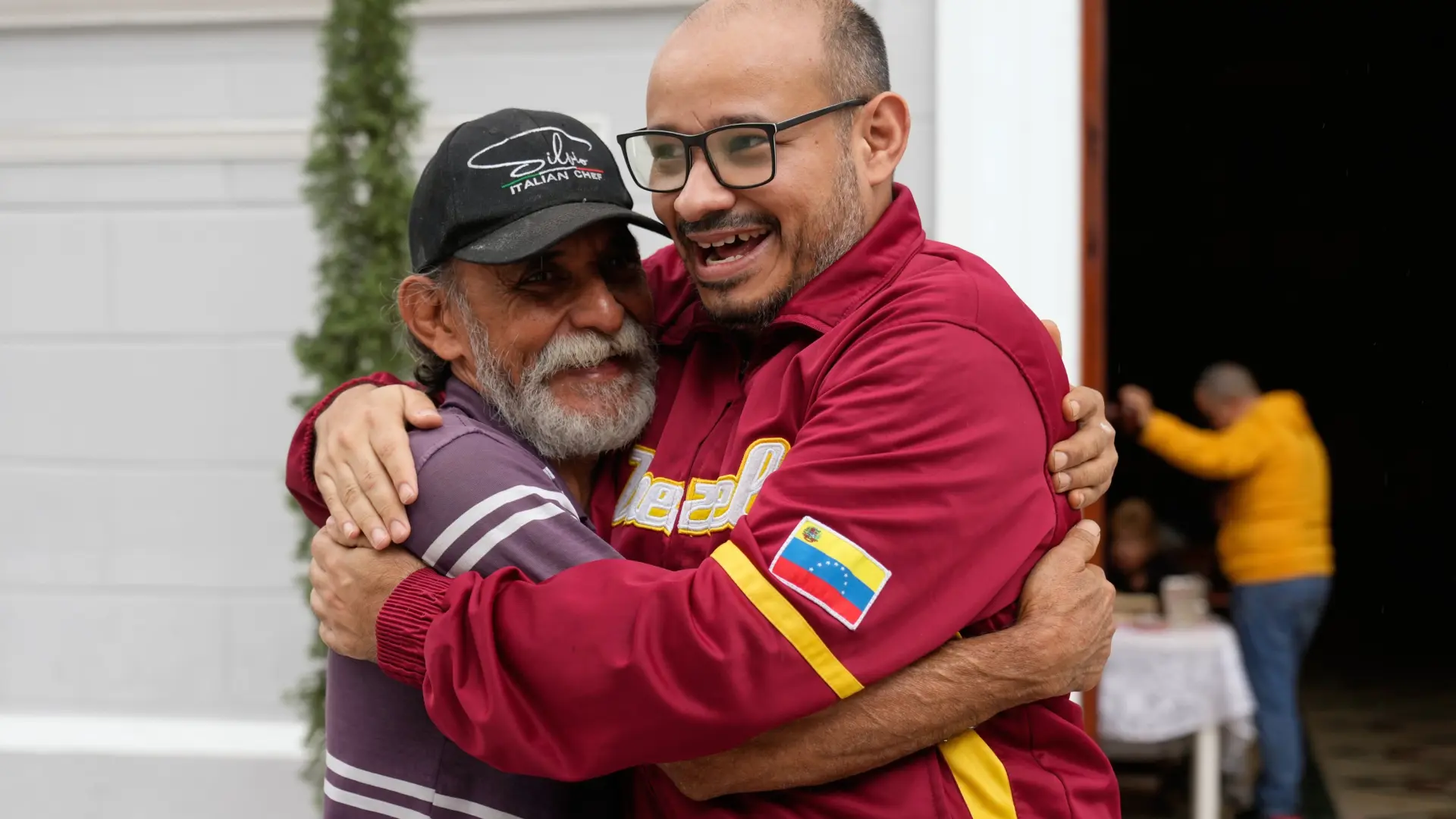
The release of Nicmer Evans was particularly moving, captured on video by Colombian media NTN24, showing his emotional reunion with his wife and son. Carlos Julio Rojas, upon his release, visited the La Candelaria church in Caracas to express his gratitude, a moment also documented by NTN24. Rojas was arrested on April 15, 2024, and accused of terrorism, conspiracy, inciting crime, and attempted assassination, allegedly linked to a plot against President Maduro during his re-election campaign.
Expanding Releases and a Path Forward
Delcy Rodríguez announced that the process of releasing political prisoners remains “open,” with 194 individuals already freed as December. She stated that an additional 406 releases are anticipated in the coming days, aiming for a new political atmosphere in Venezuela that allows for “understanding despite divergence and political diversity.” the government’s stated goal underscores a potential shift in approach, although skepticism remains among opposition groups and international observers.
According to the non-governmental organization Foro penal, wich tracks political prisoners in Venezuela, 72 releases have been verified as of Wednesday afternoon, despite initially documenting over 800 cases [3]. These releases come on the heels of increased U.S. involvement in Venezuela and allegations, made by former U.S. president Donald Trump, concerning torture centers operated by Venezuelan authorities.
The Broader Implications for Press Freedom
The ongoing situation emphasizes the precarious state of press freedom in Venezuela. While the release of journalists is a welcomed development, the remaining detentions and the history of politically motivated arrests raise concerns about the long-term commitment to protecting journalistic independence. The SNTP’s continued advocacy remains crucial in ensuring that all journalists can operate freely and without fear of reprisal. The ability of the media to report openly and accurately will be a key indicator of whether Venezuela is truly moving towards a more democratic and clear future.
Key Takeaways
- 19 Journalists Released: The Venezuelan government has released 19 journalists as part of a broader prisoner release initiative.
- Five Remain Detained: Five journalists, including opposition figure juan Pablo Guanipa, remain in custody.
- Political Context: The releases occur amidst ongoing political negotiations and heightened tensions with the United States.
- Continued Advocacy: The SNTP continues to advocate for the release of all remaining detained journalists.
- Broader releases: The government reports a total of 406 planned releases of political prisoners.
