
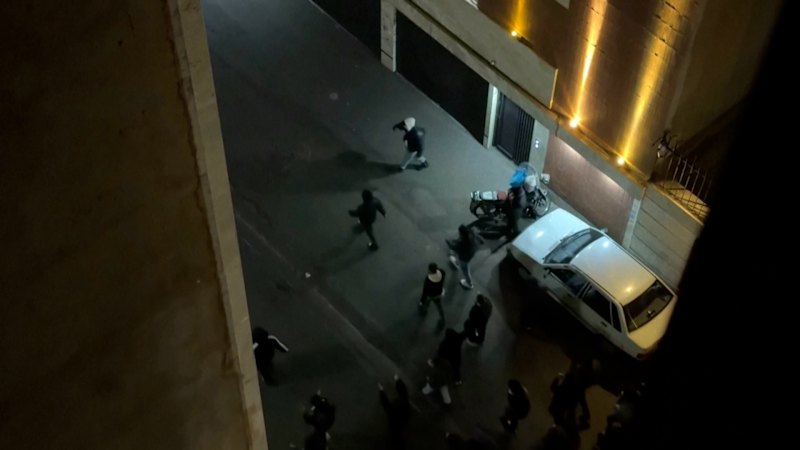
Iran’s escalating Crackdown: A Decade of Unrest and its Deadly Consequences
Iranian authorities are currently enacting one of the most severe crackdowns on internal dissent in over a decade, marked by a important increase in reported deaths and arrests. This surge in repression follows widespread protests sparked by a confluence of socio-economic grievances and political frustrations. Understanding the context, causes, and consequences of this crackdown is crucial for grasping the current state of Iran and its potential future trajectory.
The Spark: Mahsa Amini and the “Woman, Life, Freedom” Movement
The immediate catalyst for the recent unrest was the death of Mahsa Amini, a 22-year-old Kurdish woman, while in the custody of Iran’s morality police in September 2022. Amini was arrested for allegedly violating the country’s strict dress code, which mandates that women cover their hair with a hijab.Her death ignited a nationwide wave of protests, initially led by women, but quickly gaining broader support from various segments of Iranian society.
These protests coalesced around the slogan “Woman, Life, Freedom” (Zan, Zendegi, Azadi in Persian), encapsulating demands for greater freedoms, economic opportunities, and an end to the Islamic Republic’s authoritarian rule. The movement quickly evolved beyond the issue of the hijab, becoming a direct challenge to the legitimacy of the ruling clerical establishment.
A History of Unrest: Recurring Cycles of Protest
While the current crackdown is especially severe, it’s vital to recognize that Iran has experienced recurring cycles of unrest in recent years. These protests frequently enough stem from a combination of economic hardship, political repression, and social grievances.
- 2009 Green Movement: Triggered by disputed presidential elections, this movement challenged the legitimacy of the government and demanded democratic reforms.
- 2017-2018 Protests: Economic grievances, including rising prices and unemployment, fueled widespread protests across the country.
- 2019 Fuel Protests: A sudden increase in fuel prices sparked violent protests that were met with a brutal crackdown, resulting in hundreds of deaths.
Each of these instances of unrest has been met with varying degrees of force by the Iranian authorities, but the current response appears to be the most widespread and lethal in over a decade. Reports from human rights organizations indicate a substantially higher death toll and a greater number of arrests compared to previous instances.
The government Response: Escalation and repression
The Iranian government has responded to the protests with a multi-faceted strategy of repression. This includes:
- Use of Lethal Force: Security forces have used live ammunition, tear gas, and other forms of force against protesters, resulting in a ample number of deaths and injuries.
- Mass Arrests: Thousands of protesters,activists,journalists,and even ordinary citizens have been arrested. Many face vague charges, such as “acting against national security.”
- Internet Shutdowns: The government has imposed widespread internet shutdowns and restrictions on social media platforms in an attempt to stifle communication and control the flow of data.
- Crackdown on Civil Society: Human rights defenders, lawyers, and civil society organizations have been targeted with harassment, intimidation, and arrest.
- Public Executions: In a chilling escalation, Iran has resumed public executions of individuals accused of participating in the protests, drawing international condemnation.
The government justifies its actions by portraying the protesters as “rioters” and “foreign agents” seeking to destabilize the country. However, human rights organizations and international observers have consistently refuted these claims, highlighting the legitimate grievances driving the protests.
International Reaction and Potential Consequences
The crackdown has drawn widespread condemnation from the international community. Governments around the world have imposed sanctions on Iranian officials and entities involved in the repression. International organizations, such as the United Nations, have called for an independent investigation into the violence and urged the Iranian government to respect human rights.
The long-term consequences of the crackdown are arduous to predict. However, several potential scenarios are emerging:
- Increased Repression: The government may continue to tighten its grip on power, further suppressing dissent and restricting freedoms.
- Radicalization: The brutal crackdown coudl radicalize some protesters, leading to more violent forms of resistance.
- economic Collapse: Continued sanctions and internal unrest could exacerbate Iran’s economic problems, potentially leading to a collapse of the economy.
- Regime Change: While unlikely in the short term, the ongoing unrest could eventually contribute to a fundamental shift in the political landscape of Iran.
Key Takeaways
- The protests in Iran were sparked by the death of Mahsa Amini but represent a deeper frustration with economic hardship and political repression.
- The government’s response has been exceptionally violent, resulting in a high number of deaths and arrests.
- International condemnation and sanctions have been imposed,but their effectiveness remains to be seen.
- The future of Iran is uncertain, with several potential scenarios ranging from increased repression to regime change.
frequently Asked Questions (FAQ)
Q: What are the main demands of the protesters?
A: The protesters’ demands are diverse, but they generally include greater freedoms, economic opportunities, an end to discrimination against women, and an end to the Islamic Republic’s authoritarian rule.
Q: what role are women playing in the protests?
A: Women have been at the forefront of the protests, initiating them and playing a leading role in organizing and participating in them. The “Woman, Life, Freedom” slogan reflects their central role in the movement.
Q: what is the international community doing to respond to the crackdown?
A: Governments around the world have imposed sanctions on Iranian officials and entities involved in the repression. International organizations have called for an independent investigation into the violence and urged the Iranian government to respect human rights.
Q: What is the future outlook for Iran?
A: The future of Iran is highly uncertain. The ongoing unrest and the government’s brutal response could lead to a variety of outcomes, ranging from increased repression to regime change.
Looking ahead, the situation in Iran remains volatile and deeply concerning. the government’s continued crackdown on dissent is highly likely to fuel further unrest and instability. The international community must continue to pressure the Iranian government to respect human rights and engage in meaningful dialogue with its citizens. The path forward for Iran is fraught with challenges, but the desire for freedom and a better future remains strong among its people.
