
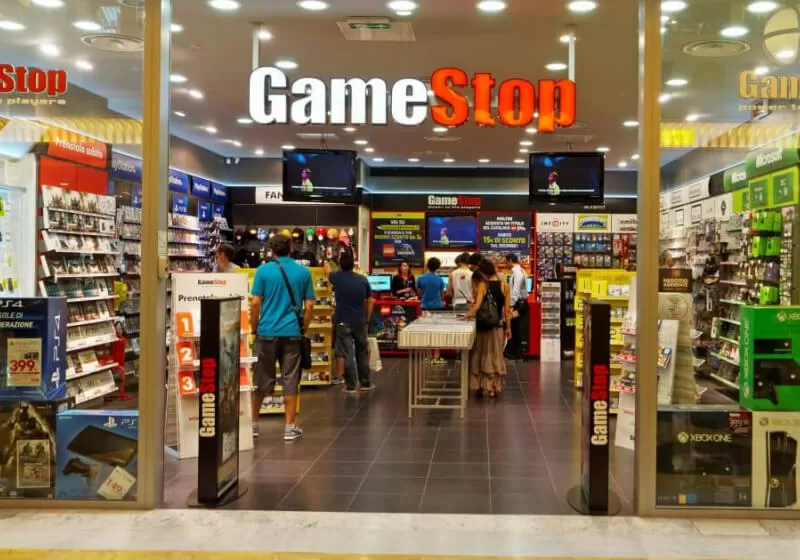
GameStop Continues Store Closures Amidst Digital Shift
GameStop, once a dominant force in the retail video game market, continues to shrink its physical footprint as consumers increasingly embrace digital game downloads. The company has been steadily closing stores and reducing its workforce for years, a trend that reflects a broader industry-wide shift.This ongoing contraction raises questions about the future of physical game retail and GameStop’s ability to adapt to the evolving landscape.
The Decline of Physical Game Sales
The core issue facing gamestop is the declining demand for physical game copies. Digital distribution platforms like Steam, PlayStation Network, and Xbox Live offer convenience and often competitive pricing, attracting a growing number of gamers. According to the Entertainment Software Association (ESA), digital game sales consistently outpace physical sales, a trend that accelerated during the COVID-19 pandemic and has continued to rise. This shift isn’t just about convenience; digital games often receive updates and patches more seamlessly, and cloud gaming services are further reducing the need for physical media.
GameStop’s Recent Closures and Financial Performance
Recent reports indicate GameStop closed hundreds of stores in early 2024. TechSpot details the ongoing closures, highlighting the company’s struggle to maintain profitability in a changing market. While specific numbers fluctuate, the trend is clear: GameStop is substantially downsizing its retail operations.
The company’s financial reports reflect this struggle. gamestop has reported net losses in recent quarters, despite efforts to diversify its revenue streams. In its Q4 2023 earnings report,GameStop reported a net loss of $48.5 million. This underscores the challenges the company faces in transitioning its business model.
Attempts at Reinvention: Beyond Games
Recognizing the need to adapt, GameStop has attempted to diversify its offerings. Under the leadership of Ryan Cohen,the company has explored various strategies,including:
- Collectible Expansion: GameStop has increased its focus on collectibles,including Funko Pops,trading cards (like Pokémon and Magic: The Gathering),and other merchandise. This aims to tap into the lucrative hobbyist market.
- PC Gaming Focus: The company has invested in building out its PC gaming offerings, recognizing the growth of this segment.
- Partnerships: GameStop has explored partnerships with other companies to offer new products and services.
- E-commerce Improvements: significant investment has been made in improving the GameStop website and online shopping experience.
Though, the success of these initiatives remains to be seen. while collectibles have shown some promise, they haven’t fully offset the decline in game sales. The company faces competition from established online retailers and specialized collectible shops.
The Impact on Employees
The store closures have a direct impact on GameStop employees. As the company reduces its retail footprint, jobs are lost. while GameStop has offered some employees opportunities to transition to other roles within the company, many have been affected by layoffs. The reduction in workforce also impacts the remaining employees, who may face increased workloads and responsibilities.
The Future of Physical Game Retail
The future of physical game retail is uncertain. While some gamers still prefer the experience of owning a physical copy of a game, the trend towards digital distribution is undeniable. it’s likely that physical game retail will continue to shrink, with fewer stores and a greater emphasis on niche markets and collectibles.
GameStop’s ability to survive will depend on its ability to successfully execute its diversification strategy and adapt to the changing needs of gamers. The company must find a way to offer unique value that cannot be easily replicated by digital platforms. This could involve creating a strong community around gaming, offering exclusive merchandise, or providing extraordinary customer service.
Key Takeaways
- Digital game sales continue to rise, driving the decline of physical game retail.
- GameStop is actively closing stores and reducing its workforce.
- The company is attempting to diversify its offerings with collectibles, PC gaming, and e-commerce improvements.
- The future of physical game retail is uncertain, but likely to involve fewer stores and a focus on niche markets.
- GameStop’s survival depends on its ability to adapt and offer unique value to gamers.
