
Pakistan to Establish $80 Million Seafood Processing Zone in Karachi
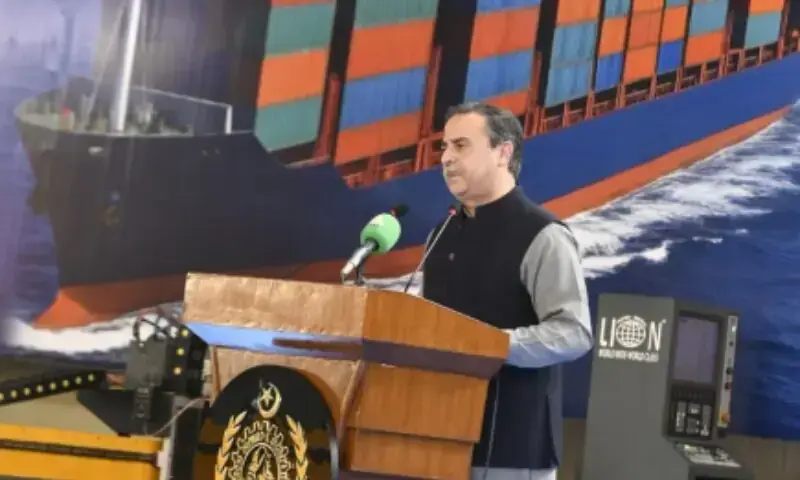
Islamabad – January 13, 2026 – Federal Minister for maritime Affairs Muhammad Junaid Anwar Chaudhry has announced a landmark initiative to establish a 100-acre seafood processing and export zone at the Korangi Fisheries harbour Authority (KoHFA), with an estimated investment of $80 million. This project aims to significantly boost Pakistan’s blue economy and expand its presence in the global seafood trade, transforming the nation into a key regional hub for lasting seafood processing.
Transforming Korangi into a Regional Seafood Hub
The ambitious project envisions the development, financing, and operation of a state-of-the-art seafood processing and value-addition complex under the auspices of KoHFA.This strategic move aims to position Korangi as a premier destination for technology-driven, sustainable seafood processing, directly linked to high-value international markets.The initiative directly addresses a critical need to modernize Pakistan’s seafood industry and increase its competitiveness on the global stage.
Currently, a meaningful portion of Pakistan’s seafood exports consists of raw or semi-processed products. This new zone will bridge the gap between medium-scale seafood processors and international buyers by providing the necessary infrastructure, adherence to internationally recognized certification standards, and streamlined export logistics. The ultimate goal is a decisive shift towards higher-value processed products, maximizing export revenue and creating economic opportunities.
Project Details and Infrastructure
the 100-acre zone will be developed based on successful models from leading seafood exporting nations like Vietnam, China, and Ecuador. Estimated project costs range from $60 million to $80 million, reflecting regional benchmarks for similar facilities. The zone will feature a comprehensive suite of facilities designed to support the entire seafood processing chain:
- Multi-tenant Seafood Processing Units: Dedicated spaces for various processing operations, catering to diverse seafood types.
- large-Scale Cold Storage: Advanced cold storage facilities to preserve the quality and freshness of seafood throughout the processing and export stages.
- Packaging Facilities: modern packaging solutions to meet international standards and ensure product integrity.
- Logistics and Export Terminals: Efficient logistics infrastructure and dedicated export terminals to facilitate seamless transportation of processed seafood to global markets.
- Wastewater Treatment Plant: An environmentally compliant wastewater treatment plant to minimize the ecological impact of processing activities.
- Cold Storage and Blast Freezing: A complex offering multi-temperature storage ranging from -18°C to -40°C, crucial for preserving different types of seafood.
- Ice Plants: Flake ice stations with a daily capacity of 50-100 tonnes to support fish landing, processing, and transportation.
- Value-Addition Units: Dedicated facilities for filleting, marinating, breading, and creating ready-to-eat seafood products.
Public-Private Partnership and Investment Models
The project is slated to be implemented through a public-private partnership (PPP) or a build-operate-transfer (BOT) concession model. this approach will leverage private sector expertise and investment to develop, operate, and maintain the facility, while KoHFA will retain regulatory oversight and provide essential facilitation. This collaborative model is expected to accelerate project completion and ensure long-term sustainability.
Choice investment models are also being considered,including joint development and operational partnerships between KoHFA and private seafood exporters or manufacturers. This flexibility aims to attract a diverse range of investors and optimize the project’s financial viability.
Economic Impact and Strategic Alignment
The seafood processing zone is expected to host 20 to 25 medium- and large-scale seafood processing units, specializing in fish, shrimp, and cephalopod processing, value addition, and export-grade packaging.This will create numerous employment opportunities and stimulate economic growth in the region. The project is strategically aligned with pakistan’s National Blue Economy Policy and Vision 2030, contributing to the nation’s broader economic development goals.
By capitalizing on its strategic location and connectivity to Karachi Port, Port Qasim, the Korangi Industrial Area, and regional shipping routes, Pakistan is poised to become a key maritime trade and seafood export hub, serving markets in the Gulf, East Africa, and Asia. The initiative will not only enhance Pakistan’s export earnings but also promote sustainable fishing practices and responsible seafood production.
Key Takeaways
- A $80 million seafood processing zone is planned for Korangi Fisheries Harbour.
- The project will focus on value-added seafood processing for export.
- A public-private partnership model will be used for development and operation.
- The zone will create jobs and boost Pakistan’s blue economy.
- The initiative aligns with Pakistan’s national Blue Economy Policy and vision 2030.
Published in Dawn, January 11th, 2026
